Best Peptides for Fat Loss Research 2026: A Comparative Guide
Why are 68% of metabolic studies still struggling to differentiate between simple appetite suppression and genuine cellular lipolysis? You’ve likely...
 Are you over 18 years old?
This website requires you to be 18 years or older to enter our website and see the content.
Are you over 18 years old?
This website requires you to be 18 years or older to enter our website and see the content.

In the world of skincare, finding ingredients that actually do what they promise can feel like a treasure hunt. Lately, one ingredient has been popping up everywhere, and for good reason: the ghk cu peptide. You might have heard it called copper peptide, and it’s been getting a lot of attention for its ability to help skin repair itself and look younger. It’s not just hype; there’s real science behind why this peptide is becoming a go-to for so many people wanting better skin. We’re going to break down what makes this ghk cu peptide so special and how it works its magic.
GHK-Cu, also known as copper peptide, is a naturally occurring complex found in human plasma. It’s made up of a small peptide, GHK, linked with a copper ion. This peptide is composed of three amino acids: glycine, histidine, and lysine. You can also find it in smaller amounts in things like saliva and urine. The amount of GHK-Cu in our bodies tends to go down as we get older, which is interesting because it plays a big part in how our skin repairs itself and stays healthy. Discovered back in 1973, this compound has become a big deal in skincare and medicine because of its ability to help the skin regenerate.
The way GHK-Cu works is pretty complex, but we can break it down. One of its main jobs is to tell your skin cells to make more collagen and elastin. Think of collagen as the scaffolding that keeps your skin firm and elastin as the rubber bands that let it bounce back. As we age, we naturally produce less of these, leading to wrinkles and sagging. GHK-Cu helps to reverse this by signaling the genes responsible for making collagen and elastin to ramp up production. This helps rebuild the skin’s support structure from the inside out.
Beyond just building blocks, GHK-Cu also acts like a little bodyguard for your skin. It’s a good antioxidant, meaning it helps fight off damaging molecules called free radicals that can harm your cells and speed up aging. Plus, it has anti-inflammatory properties, which can calm down redness and irritation. This makes it really useful for helping skin heal after injury. It’s known to speed up wound closure and can even help reduce scarring by encouraging new tissue to form properly. This ability to repair and regenerate makes GHK-Cu a key player in skin health.
This peptide really gets to work by telling your skin cells to make more of the good stuff, like collagen and elastin. Think of these as the scaffolding and rubber bands that keep your skin firm and stretchy. As we get older, our bodies naturally slow down production of these proteins, leading to sagging and wrinkles. GHK-Cu steps in to help reverse that trend. It signals fibroblasts, the cells responsible for making these structural proteins, to ramp up their activity. This means your skin can start to rebuild itself from the inside out, leading to a more lifted and smooth appearance.
When you get a cut or scrape, your body goes into repair mode. GHK-Cu plays a role in this process. It helps clear out damaged cells and signals for new ones to grow. This makes healing happen faster and can also help reduce the appearance of scars. It’s like giving your skin’s repair crew a boost, helping them work more efficiently to fix damage and restore the skin’s normal structure. This is particularly helpful for skin that’s been through a lot, whether from injury or just the daily grind.
If you’re dealing with uneven skin tone, dark spots, or just a generally rough texture, GHK-Cu can make a difference. It helps regulate how much pigment your skin produces, which can fade those pesky dark spots and age marks. It also encourages the shedding of old, dull skin cells and the growth of fresh, new ones. The result is skin that looks brighter, feels smoother, and has a more uniform color. It really helps bring out your skin’s natural radiance.
Our skin is constantly under attack from things like UV rays and pollution, which create unstable molecules called free radicals. These can damage skin cells and speed up aging. GHK-Cu acts like a shield, neutralizing these free radicals and protecting your skin from this oxidative stress. It also calms down inflammation, which is often a hidden cause of skin problems and aging. By reducing redness and irritation, it creates a calmer environment for your skin to repair and rejuvenate itself.
GHK-Cu works on multiple fronts to support skin health, addressing both the visible signs of aging and the underlying cellular processes that contribute to them.
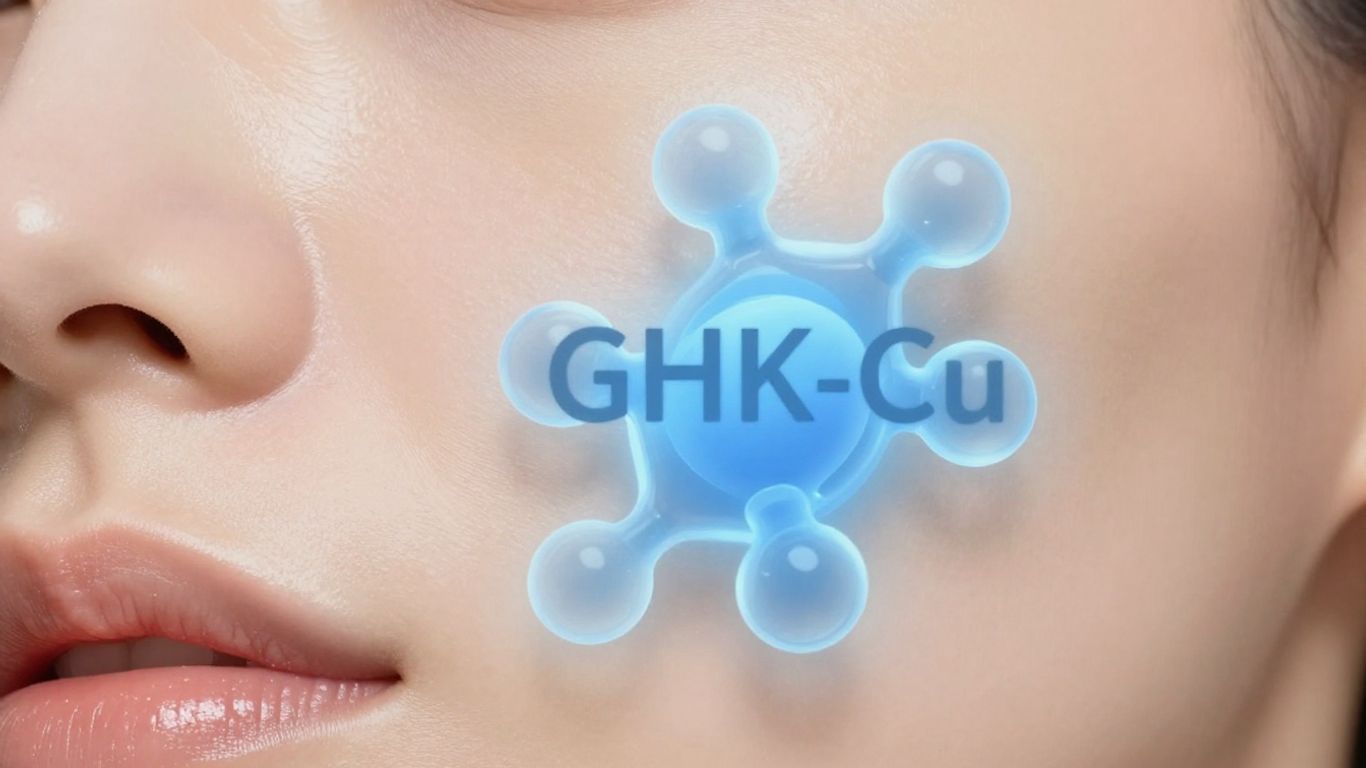
When you look at the world of skincare ingredients, peptides are everywhere. They’re like the tiny messengers that tell your skin cells what to do. But not all peptides are created equal, and GHK-Cu really shines. What makes it different? For starters, it’s a naturally occurring complex, meaning your body already knows how to work with it. It’s not just some lab-created molecule; it’s found in things like human plasma and saliva, though its levels drop as we get older. This natural presence is a big clue to its effectiveness.
Another key factor is the copper. The copper in GHK-Cu isn’t just there to make it look pretty; it’s an active participant. Copper is essential for a lot of bodily processes, including making collagen and elastin, which are the building blocks of firm, youthful skin. It also helps with healing and acts as an antioxidant. Many other peptides don’t have this copper component, which limits their ability to perform these multiple repair and regeneration tasks. This combination of a familiar peptide structure and the vital role of copper gives GHK-Cu a significant edge.
Beyond just signaling, GHK-Cu has a more profound effect: it can actually influence gene expression. Think of it like this: your genes hold the instructions for everything your cells do. GHK-Cu can interact with these instructions, telling your cells to ramp up the production of important proteins like collagen and elastin, and to kickstart repair processes. It’s like giving your cells a gentle nudge in the right direction, encouraging them to behave more like younger, healthier cells. This gene-modulating capability means GHK-Cu works at a deeper level than many surface-acting ingredients. It’s not just about temporary fixes; it’s about promoting genuine cellular renewal and repair from within. This is why it’s so effective for long-term skin health and rejuvenation, helping to address the root causes of skin aging and damage. You can find products that use this peptide to help with skin regeneration and wound healing [af39].
So, you’re ready to bring the power of GHK-Cu into your daily routine. That’s a smart move for anyone looking to give their skin a real boost. It’s not just another ingredient; it’s like a little cellular messenger that tells your skin to get to work repairing and rebuilding. Think of it as a signal that encourages your skin to produce more of the good stuff, like collagen and elastin, which are key for that firm, smooth look.
The best way to start is by looking for products where GHK-Cu is a main player, not just a background note. This usually means serums or concentrated treatments. You’ll want to see GHK-Cu listed fairly high up on the ingredient list. Consistency is really the name of the game here. You won’t see dramatic changes overnight, but with regular use, your skin will start to show the benefits of this peptide’s regenerative action.
Here’s a simple way to think about adding it:
GHK-Cu works best when it’s allowed to do its job without interference. Think of it as a specialized repair crew; you want to give them the space and time to fix things properly.
If you’re into making your own skincare or working with a formulator, getting GHK-Cu right is key. It’s not just about tossing it into a mix; you need to consider how it behaves and what it likes to work with. The copper in GHK-Cu is pretty important – it’s not just there for show. It helps the peptide do its job better, especially when it comes to healing and repair, which is something you don’t get with just any peptide.
When you’re putting together a formula, think about pairing GHK-Cu with ingredients that support its mission. Things like hyaluronic acid are great for adding moisture, which helps keep the skin plump and aids in the repair process. Niacinamide is another good partner; it helps strengthen the skin barrier and can even out skin tone, complementing GHK-Cu’s effects.
Here are a few combinations that tend to work well:
Remember that the stability of GHK-Cu in a formulation matters. Using it in serums or treatments that are applied directly to the skin, rather than in rinse-off products, generally yields better results because it has more time to interact with the skin cells.
It’s pretty clear that GHK-Cu isn’t just another ingredient; it’s shaping up to be a major player in how we think about keeping skin looking young. We’ve talked about how it helps make more collagen and elastin, which are super important for keeping skin firm and smooth. But what’s really exciting is how it seems to work on a deeper level, almost like it’s telling your skin cells to act younger. This peptide is showing up in more and more products because it really does seem to make a difference in fine lines and overall skin texture. It’s not just about covering up signs of aging; it’s about helping the skin repair itself. This peptide is poised to redefine what we consider achievable in age-defying beauty.
While we’re mostly focused on how GHK-Cu helps our skin look good, the science is pointing to even more possibilities. Researchers are looking into its potential for other health issues, not just wrinkles. Think about its ability to calm inflammation and fight off damage from things like pollution. This has led to studies exploring its use in areas like arthritis and even heart health. It’s kind of wild to think that something we use in a face cream might have implications for serious health conditions. It just goes to show how complex and interconnected our bodies are. The ongoing research into GHK-Cu is really opening up new avenues, and it’s exciting to see where it all leads. It’s a good example of how skincare science can sometimes lead to wider medical advancements, and you can find more information on copper peptides and their effects.
Here’s a quick look at some areas where GHK-Cu’s properties are being investigated:
The journey of GHK-Cu from a laboratory discovery to a sought-after skincare ingredient highlights the power of understanding cellular communication. Its multifaceted actions suggest a future where cosmetic and therapeutic benefits are increasingly intertwined, offering holistic approaches to well-being.
Discover how GHK-Cu is changing the game in skin rejuvenation. This amazing compound helps your skin look younger and healthier by supporting its natural repair processes. It’s like giving your skin a fresh start! Want to learn more about this exciting breakthrough and how you can benefit? Visit our website today to explore the future of skincare and find out how GHK-Cu can help you achieve radiant, youthful skin.
So, we’ve talked a lot about GHK-Cu and what it can do for your skin. It really seems like a big deal for anyone wanting to keep their skin looking good as they get older. It helps with making more collagen and elastin, which are super important for keeping skin firm and smooth. Plus, it fights off damage from things like the sun and pollution, and it calms down redness and irritation. It’s pretty amazing how one ingredient can do so much, from helping wounds heal faster to making your skin tone more even. It’s definitely something to consider if you’re looking for a way to help your skin repair itself and look more youthful. It’s not magic, but it’s a pretty powerful tool in the skincare world.
GHK-Cu is like a tiny helper molecule found naturally in our bodies. It’s made of three small building blocks called amino acids, linked together and attached to copper. Think of it as a special signal that tells your skin to repair itself and stay strong, kind of like a supervisor for skin health.
GHK-Cu is really good at telling your skin to make more collagen and elastin. These are like the scaffolding and rubber bands that keep your skin firm and stretchy. As we get older, we make less of these, which leads to wrinkles. GHK-Cu helps bring them back, making skin look smoother and plumper.
Yes, it can! GHK-Cu was first studied for its ability to help wounds heal faster. It encourages new skin cells to grow and helps repair damaged areas, which can also lead to less noticeable scars.
It sure does. GHK-Cu acts like a shield against harmful things like pollution and sun damage that can make skin look old. It also helps calm down redness and irritation, making your skin feel and look more balanced.
There are many different peptides used in skincare, but GHK-Cu is special because it does so many things at once. While some peptides might focus on just one job, like boosting collagen, GHK-Cu helps with collagen, healing, reducing redness, and protecting your skin all at the same time.
You can find GHK-Cu in various skincare products like serums, creams, and lotions. It’s often included in products designed to fight signs of aging, improve skin texture, or help with healing. Always follow the product’s instructions for the best results.
 by
by