Best Peptides for Fat Loss Research 2026: A Comparative Guide
Why are 68% of metabolic studies still struggling to differentiate between simple appetite suppression and genuine cellular lipolysis? You’ve likely...
 Are you over 18 years old?
This website requires you to be 18 years or older to enter our website and see the content.
Are you over 18 years old?
This website requires you to be 18 years or older to enter our website and see the content.

Peptide facials are becoming a popular choice for those looking to refresh their skin. You know, those little protein bits that are supposed to help your skin look younger? They’re in a lot of products now. This guide is all about peptide facials, what they do, and how you can get the most out of them. We’ll cover the basics, the science, and what to look for. Let’s see if a peptide facial is right for you.
Peptides are short chains of amino acids, the building blocks of proteins. Think of them like tiny messengers in your skin. When proteins like collagen and elastin break down, peptides are formed. In skincare, we use synthetic versions of these peptides. They’re designed to tell your skin cells to do specific jobs, like making more collagen. Unlike larger molecules, these smaller chains can actually get into the skin to do their work.
These little protein fragments do a lot for your skin. They are key players in helping your skin look and feel younger. When applied topically, they can signal your skin to produce more collagen, which is what keeps skin firm and plump. This can help reduce the appearance of wrinkles and fine lines. They also help strengthen your skin’s natural barrier, making it better at holding onto moisture and protecting itself from damage. Some peptides can even help calm inflammation or reduce redness.
Here’s a quick look at what they can do:
When you look at anti-aging ingredients, peptides stand out. For example, ingredients like Vitamin C are great antioxidants that protect your skin from damage. Retinoids, on the other hand, work by speeding up cell turnover and boosting collagen. Peptides are different because they act as signals. They don’t just protect or speed things up; they actively tell your skin cells what to do. This direct communication is what makes them so effective for targeting specific signs of aging, like loss of firmness or wrinkles. While other ingredients support skin health, peptides are like the conductors of an orchestra, directing the cells to perform specific rejuvenating tasks.
The effectiveness of peptides in skincare often comes down to how well they can get into the skin and what they are formulated with. Not all peptide products are created equal, and some might not penetrate as deeply as others.
Peptides are like tiny messengers for your skin. When applied topically, they signal to your skin cells that it’s time to get to work. Specifically, they tell your fibroblasts, the cells responsible for making collagen and elastin, to ramp up production. Think of it as giving your skin a gentle nudge to rebuild and repair itself. This increased collagen and elastin production is key to making skin look firmer and more youthful. While many products talk about collagen, understanding how peptides actually trigger this process is pretty interesting. It’s not just about adding something to the skin; it’s about telling the skin to make more of what it needs. This is why collagen peptides are so talked about in skincare science.
One of the most popular uses for peptides is tackling those pesky wrinkles and fine lines. Some peptides work by mimicking the natural processes that occur in younger skin, encouraging the skin to produce more collagen and elastin. This plumping effect can literally fill in fine lines from the inside out. Other types of peptides act a bit like a temporary muscle relaxant. They can block certain signals that cause facial muscles to contract, which in turn softens expression lines, especially around the eyes and forehead. It’s a clever way to get a smoother appearance without more invasive procedures. The effectiveness really depends on the specific peptide and how it’s formulated.
Your skin barrier is your first line of defense against the outside world, keeping good stuff in and bad stuff out. Peptides can actually help strengthen this barrier. Some peptides have properties that help support the skin’s natural repair mechanisms. They can encourage the production of ceramides and other lipids that are vital for a healthy barrier. A stronger barrier means your skin is better at retaining moisture, which keeps it looking plump and hydrated. It also means your skin is less likely to become irritated by environmental factors. This improved resilience is a big part of why peptide treatments can make skin look and feel healthier overall.
Peptides aren’t just one thing; they’re a whole family of tiny protein fragments, and in skincare, they each have a job to do. Think of them as little messengers or builders for your skin. Understanding what each type does can help you pick the right products.
These are like the cheerleaders of your skin cells. Signal peptides tell your skin to get to work, specifically by telling it to make more collagen and elastin. These are the proteins that keep your skin looking firm and bouncy. When these start to decrease as we age, that’s when we see sagging and wrinkles. So, when a product has signal peptides, it’s trying to get your skin to rebuild itself.
Carrier peptides are the delivery service. Their main role is to transport important minerals, like copper, to where they’re needed in the skin. Copper is really helpful for healing and for making more collagen. So, carrier peptides are often found in products aimed at repairing skin damage or improving its general health. They help make sure the good stuff gets where it needs to go.
These are the ones people often talk about when they mention "Botox in a bottle." Neurotransmitter peptides work by temporarily blocking signals that cause your facial muscles to contract. You know, those little movements we make when we smile, frown, or squint? Over time, these repeated movements create expression lines. By relaxing those muscles a bit, these peptides can smooth out those lines, especially around the eyes and forehead.
These peptides are designed to mimic the effect of botulinum toxin, but in a much gentler, topical way. They don’t freeze muscles entirely, but rather reduce the intensity of muscle contractions that lead to visible lines.
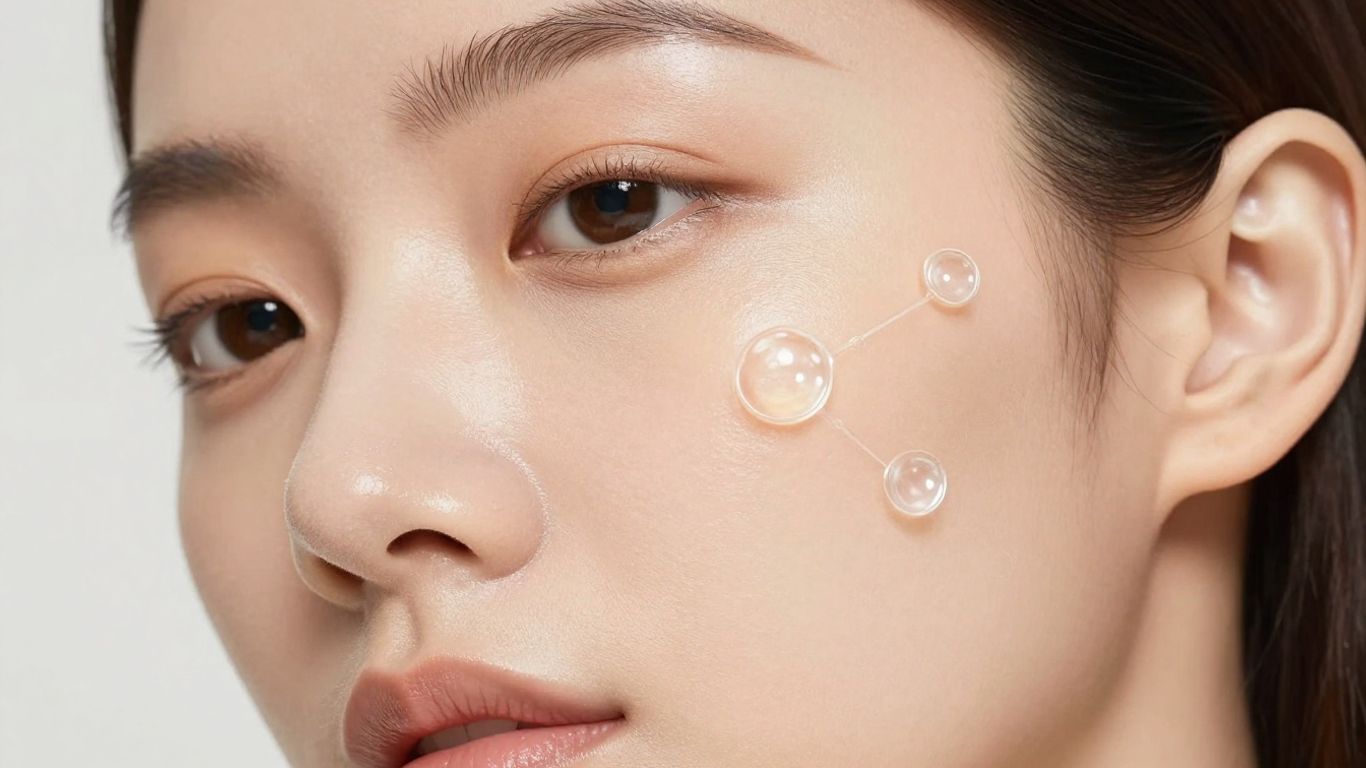
Before you start looking for peptide products, it’s a good idea to figure out what exactly you want to fix. Are you noticing more fine lines around your eyes? Is your skin feeling less firm than it used to? Maybe you’re dealing with uneven texture or just a general lack of radiance. Pinpointing these issues helps you choose peptides that are best suited for your specific needs. For instance, if wrinkles are your main worry, you’ll want to look for peptides known for their ability to smooth things out. If it’s firmness, then peptides that encourage collagen production are your target. It’s like going to a tailor; you wouldn’t ask for a suit without knowing your measurements, right? The same applies here. Understanding your skin’s unique situation is the first step to finding products that will actually make a difference.
Peptides work best when they have a little help from their friends. Think of them as the star players on a team; they need good supporting players to win the game. When you’re checking ingredient lists, keep an eye out for these beneficial additions:
The effectiveness of a peptide product often comes down to its overall formulation. Just having peptides in the mix isn’t always enough. The way the product is put together, including the other ingredients and how they’re delivered, plays a big role in whether you’ll see the results you’re hoping for. It’s worth looking for products where peptides are listed fairly high up on the ingredient list, suggesting a decent concentration.
When you’re shopping for peptide products, you’ll notice they come in different forms, like serums, creams, and lotions. Each has its own strengths:
When you’re looking at products, pay attention to how the peptides are delivered. Some advanced formulations use encapsulation or other technologies to make sure the peptides get where they need to go in the skin. This can make a big difference in how well the product works. Always choose products from reputable brands that focus on quality and research; it’s an investment in your skin’s health.
Adding peptide treatments to your regular skincare is pretty straightforward, and you’ve got some flexibility with it. The main thing is to be consistent, because that’s really how you’ll see the best results. Peptides are generally well-tolerated, but it’s always a good idea to pay attention to how your skin reacts, especially when you’re starting out.
Peptides are quite versatile, meaning you can use them in both your morning and evening routines. In the morning, a peptide serum or moisturizer can help shield your skin from the day’s environmental stressors. For your nighttime routine, applying a peptide-infused product can help lock in moisture and support skin repair while you sleep. Using peptides consistently, whether AM or PM, is key to their effectiveness.
Getting the order right is important so those peptide molecules can actually get into your skin where they need to go. Start with a clean face; a gentle cleanser works best to remove any dirt or oil. After cleansing and toning, apply your peptide serum. Serums are typically lightweight and designed for deep penetration, making them a good first step after cleansing. Then, follow up with your regular moisturizer or a peptide cream to seal everything in and add hydration. If it’s your morning routine, always finish with a broad-spectrum sunscreen of at least SPF 30 to protect your newly treated skin. This layering approach helps maximize the benefits of the peptides and other active ingredients you might be using. For example, pairing peptides with antioxidants like Vitamin C can further boost your skin’s defenses [a075].
Seeing the full benefits of peptide treatments takes time and regular application. You can generally expect to notice improvements within about 4 to 8 weeks of consistent use. This timeframe can vary depending on your specific skin type, the exact formulation of the peptide product you’re using, and how it fits into your overall skincare plan. Think of it like tending a garden; consistent care yields the best blooms. So, stick with it, and your skin will thank you.
While peptides are celebrated for their rejuvenating effects in scientific studies, many commercial products don’t have the right delivery systems to make them truly work. It’s important to look for formulations that are designed for deep penetration to get the most out of these ingredients.
When you go to a professional for a peptide facial, you’re not just getting a one-size-fits-all treatment. A skincare expert will look at your skin, figure out what it really needs, and then pick the exact peptides that will work best for you. It’s like having a custom-made plan just for your face. They consider things like your skin type, any specific issues you’re dealing with, like fine lines or dullness, and what you want to achieve. This personal approach means you get the most out of the treatment, rather than just hoping a general product will do the trick.
Peptides are pretty small molecules, but getting them to actually get into your skin where they can do their job can be tricky. Many at-home products struggle with this. Professional treatments, however, often use special methods to make sure the peptides go deep enough. Think of things like micro-needling, which creates tiny channels for the peptides to enter, or advanced encapsulation techniques that protect the peptides and help them release slowly and effectively. These methods are designed to make the peptides work much better than they might on their own.
So, what’s the end goal? It’s pretty simple: skin that looks and feels younger and healthier. By using professional-grade peptides with smart delivery systems, you can expect to see real changes. These treatments can help boost your skin’s natural collagen, making it firmer and smoother. They can also help reduce the appearance of wrinkles and fine lines, improve your skin’s texture, and give it a brighter, more even tone. The result is skin that looks refreshed, revitalized, and genuinely more youthful.
Professional treatments often combine peptides with other beneficial ingredients and techniques to maximize results. This holistic approach addresses multiple signs of aging and skin concerns simultaneously, leading to more noticeable and lasting improvements compared to using individual products at home.
Discover how professional peptide treatments can help you feel your best. These advanced methods offer a range of advantages for your well-being. Ready to explore the possibilities? Visit our website today to learn more and find the perfect treatment for you.
So, we’ve talked a lot about peptides and how they can really help your skin look its best. They’re like little helpers that tell your skin to make more of the good stuff, like collagen, which keeps things firm and smooth. It’s not magic, but it’s pretty close. Using products with peptides can make a real difference in how your skin feels and looks over time. Just remember to pick the right ones for you and use them regularly. Your skin will thank you for it.
Think of peptides as tiny messengers made from building blocks called amino acids. When these amino acids link up in specific ways, they form proteins like collagen and elastin, which are super important for keeping your skin firm and stretchy. In skincare, peptides can tell your skin cells to make more of these proteins, helping to fight off signs of aging and keep your skin looking young and healthy.
Yes, they absolutely can! Peptides work by encouraging your skin to produce more collagen and elastin. When your skin has more of these proteins, it becomes plumper and firmer, which helps to smooth out wrinkles and fine lines. Some special peptides can even work a bit like Botox by relaxing the muscles that cause expression lines, making your skin look smoother.
Peptides and retinol work in different ways. Peptides are like helpers that signal your skin to build more collagen and repair itself, and they are generally gentle. Retinol, on the other hand, speeds up how quickly your skin cells turn over and can help with things like dark spots and wrinkles. Sometimes, using both together can give you even better results for anti-aging.
First, think about what you want to improve in your skin, like wrinkles, dryness, or firmness. Then, look at the ingredients. Some peptides are great for signaling more collagen, while others help repair your skin or keep it hydrated. It’s also helpful to choose products from trusted brands and consider talking to a skin doctor to get personalized advice.
Peptides are quite flexible! You can use them in the morning to help protect your skin from daily stress, or at night to help your skin repair itself while you sleep. The most important thing is to apply them after you cleanse and tone, and before heavier creams, so they can sink into your skin effectively.
Serums are usually lighter and designed to go deeper into your skin, delivering a higher concentration of peptides to target specific issues. Creams are thicker and provide more hydration, helping to lock in moisture and improve your skin’s overall texture. Both are great, but a serum might be better for tackling a specific concern, while a cream is good for overall nourishment and hydration.
 by
by