Best Peptides for Fat Loss Research 2026: A Comparative Guide
Why are 68% of metabolic studies still struggling to differentiate between simple appetite suppression and genuine cellular lipolysis? You’ve likely...
 Are you over 18 years old?
This website requires you to be 18 years or older to enter our website and see the content.
Are you over 18 years old?
This website requires you to be 18 years or older to enter our website and see the content.

Bacteriostatic water, often referred to as bac water 10ml, plays a quiet but important role in various medical applications. It’s not just plain water; it’s specially prepared to help keep things safe when you need to use a vial more than once. This article aims to clear up what bac water 10ml is all about, how it’s used, and why handling it the right way matters for safety.
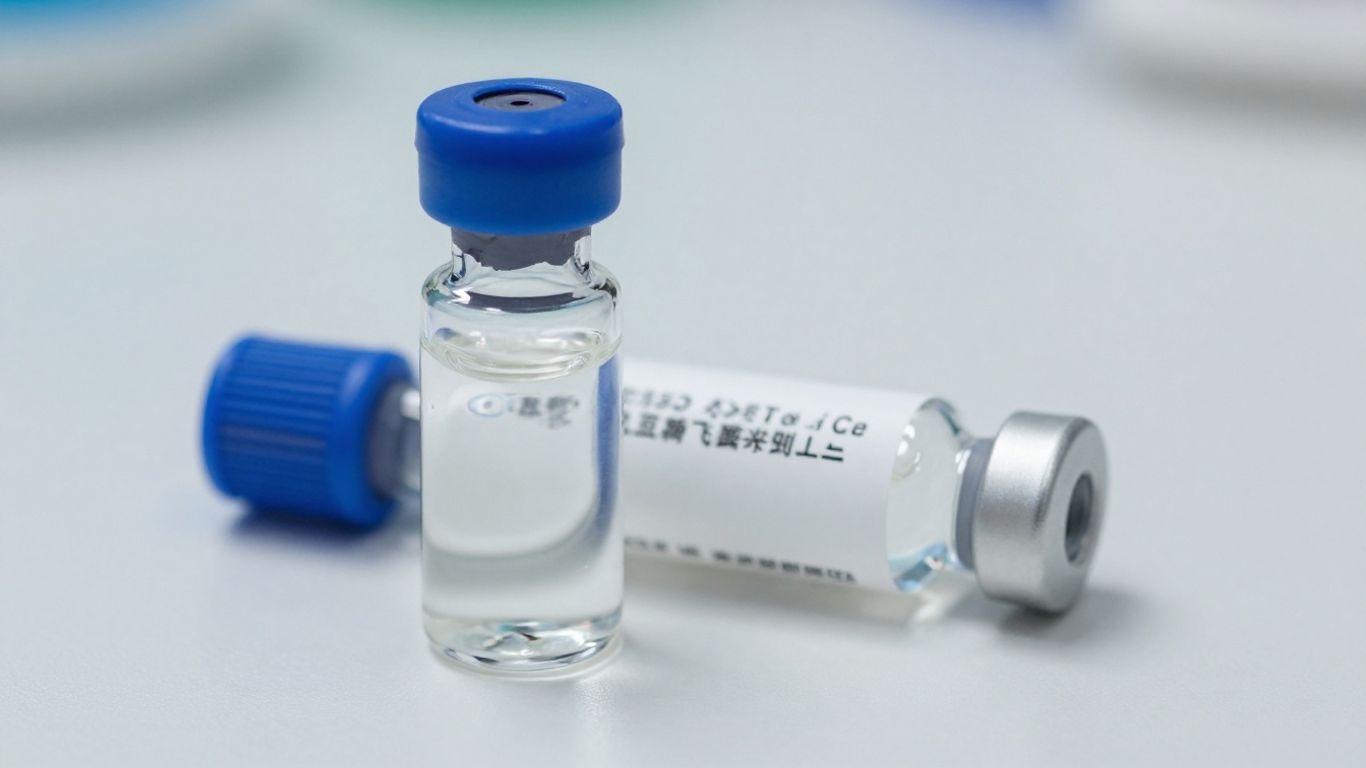
Bacteriostatic water isn’t just plain old water; it’s a special kind of sterile water. What makes it special is that it has a small amount of benzyl alcohol mixed in. This ingredient is key because it stops bacteria from growing. This preservative quality is what allows the water to be used multiple times from the same vial without becoming contaminated. It’s a common choice when you need to mix medications for injections, especially when a single vial of medication might be used over a period of days.
The main components of bacteriostatic water are simple: sterile water and benzyl alcohol. The concentration of benzyl alcohol is typically 0.9%. This concentration is just enough to prevent microbial growth but is generally considered safe for use as a diluent for many injectable medications. The water itself is purified and sterilized to ensure it’s free from any living microorganisms before the benzyl alcohol is added.
It’s easy to get bacteriostatic water and sterile water mixed up, but they’re not quite the same. Sterile water is, well, sterile – meaning it has no microbes. However, once you open a vial of sterile water and use some of it, it’s only good for one use. Any remaining water can easily get contaminated. Bacteriostatic water, on the other hand, has that benzyl alcohol. This means you can draw from the vial multiple times over a period of up to 28 days, and it’s still considered safe because the alcohol keeps any introduced bacteria from multiplying. This makes bacteriostatic water a more practical choice for medications that require multiple doses from a single vial.
Here’s a quick look at the differences:
Always check the specific instructions for your medication. Some drugs might have particular requirements for the type of diluent used, and it’s best to follow those guidelines precisely to ensure the medication’s effectiveness and your safety.
Bacteriostatic water, often called Bac Water, is a pretty handy solution in the medical world, mostly because it helps keep things from growing bacteria. This makes it super useful for a few specific jobs.
One of the main reasons people use Bac Water is to mix with certain medications. Some drugs come in a powdered form or as a concentrated liquid that’s too strong to use as is. You need to add a liquid to them to get them ready for injection. Bac Water is a good choice for this because it’s sterile and, thanks to the little bit of benzyl alcohol it contains, it stops bacteria from growing in the mixture. This is important if you might not use the whole vial of medication at once.
This is where Bac Water really shines. Many medications are packaged in vials designed for multiple uses. If you just used plain sterile water to draw up your dose each time, you’d be risking introducing bacteria into the vial. That bacteria could then grow and contaminate the rest of the medication. Because Bac Water has that preservative effect, it makes it much safer to draw doses from the same vial over a period of time (usually up to 28 days after the first puncture, provided you use good sterile technique).
Bac Water can be used for different kinds of injections, like intramuscular (IM), subcutaneous (SC), and sometimes even intravenous (IV) if the specific medication protocol allows it. It’s a common diluent for things like certain peptides, hormones, and other injectable compounds that require reconstitution before administration. Always check with your doctor or pharmacist to make sure it’s the right choice for your specific medication and injection method.
It’s really important to remember that even though Bac Water helps prevent bacterial growth, it doesn’t make the solution sterile forever. You still need to be super careful with how you handle it and store it to avoid contamination. Using a clean needle and syringe every single time you access the vial is non-negotiable.
When you’re looking at different liquid options for medical use, it’s easy to get them mixed up. Normal saline, for instance, is a common one you’ll hear about. It’s basically just sterile water with a bit of salt – specifically, 0.9% sodium chloride. This concentration is pretty close to what’s naturally in your body fluids. Because of this, normal saline is often used for things like rehydrating someone or balancing out electrolytes. It’s not really designed for mixing with medications for injection in the same way bacteriostatic water is.
The main difference boils down to their primary purpose: saline is for hydration and electrolyte balance, while bacteriostatic water is for diluting medications.
This is where things can get a little confusing, but it’s important to get it right. Sterile water for injection is, well, just sterile water. It’s free from any living microorganisms, which is obviously important. However, it doesn’t have any added preservatives. This means that once you open a vial of sterile water and use some of it, you can’t really use the rest later. Any remaining amount needs to be thrown away to avoid contamination. It’s a single-use kind of deal.
Bacteriostatic water, on the other hand, has that 0.9% benzyl alcohol mixed in. This alcohol acts as a preservative, stopping bacteria from growing. That’s why it’s called ‘bacteriostatic’ – it stops bacteria. This preservative allows you to use the same vial multiple times, as long as you follow proper sterile techniques. It’s a big deal for medications that come in powder form and need to be mixed, or for multi-dose vials where you might only need a small amount each time.
Here’s a quick rundown:
So, why pick bacteriostatic water over, say, just plain sterile water or even normal saline for certain jobs? The biggest win is its multi-dose capability. If you have a medication that needs to be reconstituted or diluted, and you’re going to be using it over a few days or weeks, bacteriostatic water is usually the way to go. It cuts down on waste because you’re not throwing away half-used vials of sterile water every time.
It’s also specifically formulated for mixing with many injectable medications. While sterile water is pure, it doesn’t offer that bacterial protection. Normal saline has its own uses, but it’s not always the right choice for dissolving certain drugs, and it doesn’t have the preservative qualities needed for multi-use vials.
Choosing the right diluent is more than just picking a liquid; it’s about safety and effectiveness. Using the wrong one could mean your medication isn’t stable, or worse, it could become contaminated, leading to potential health risks. Always check the medication’s instructions or ask your doctor if you’re unsure.
Think of it this way:
Keeping bacteriostatic water stored correctly is pretty important to make sure it stays good to use. Generally, you want to keep it at room temperature, somewhere between 20 to 25 degrees Celsius (68 to 77 degrees Fahrenheit). It’s also a good idea to keep it out of direct sunlight and away from heat or moisture. Think of it like storing most medicines – a cool, dry place is usually best. Don’t freeze it, and make sure the cap is on tight when you’re not using it.
An unopened vial of bacteriostatic water usually has a pretty good shelf life, often up to two years. But here’s the thing: once you’ve used it, or even just opened it, things change. It’s recommended to use it within 28 days of the first puncture. This is because the preservative, benzyl alcohol, can lose its effectiveness over time, especially with repeated use. After that 28-day mark, it’s best to just toss it, even if there’s still liquid left. Always check the expiration date printed on the vial before you use it, and if the liquid looks cloudy or has particles in it, get rid of it right away.
When you’re getting ready to use bacteriostatic water, especially for drawing up medications, keeping things clean is super important. This is called using aseptic technique. It means preventing germs from getting into the water or your medication.
Following these steps helps prevent contamination, which is key to making sure your medications are safe and effective when you use them.
Using bacteriostatic water, or Bac Water, requires careful attention to safety to make sure it’s used correctly and doesn’t cause problems. It’s not just about drawing up a liquid; there are specific things to keep in mind.
Before you mix any medication with bacteriostatic water, it’s really important to check if they’re compatible. Not everything plays well together. The benzyl alcohol in Bac Water, which acts as a preservative, can sometimes react with certain medications. This could make the medication less effective or even create harmful byproducts. Always look at the medication’s instructions or ask a pharmacist or doctor if you’re unsure. Some medications, like certain live vaccines, should absolutely not be mixed with bacteriostatic water.
There are certain groups of people for whom bacteriostatic water might not be suitable, especially if it contains benzyl alcohol. Neonates, or newborns, are particularly vulnerable. Benzyl alcohol has been linked to toxicity in this age group, so preservative-free sterile water is the only safe option for them. Pregnant women should also use caution; while it’s not definitively known to harm a fetus, it’s generally advised to use it only when absolutely necessary. For children, the safety and effectiveness haven’t been fully established, so it’s best to stick to what a healthcare provider recommends.
If you’re ever in doubt about using bacteriostatic water, it’s always best to ask a professional. This includes situations like:
It’s easy to think of bacteriostatic water as just another liquid, but it’s a medical product with specific properties. Treating it with the respect it deserves by following guidelines and seeking advice when needed is key to safe and effective use. Don’t guess when it comes to your health; a quick question can prevent a lot of trouble.
Remember, bacteriostatic water is intended for diluting or dissolving drugs for injection, not for general fluid replacement or other uses. Always ensure the solution is clear and the seal is intact before use. If you’re reconstituting a drug, mix it well and use it promptly as directed by the drug manufacturer.
Getting your hands on bacteriostatic water requires a bit of attention to detail to make sure you’re getting a safe and effective product. It’s not something you can just whip up in your kitchen, and for good reason. The process of making it sterile and adding the preservative needs specific equipment and controlled environments.
When you need bacteriostatic water, your best bet is to look for it from reputable medical supply companies or pharmacies. These places are set up to handle these kinds of products correctly. You can often find it online from specialized medical suppliers, and sometimes even at larger chain pharmacies, though you might need a prescription depending on the specific product and location. Always check if a prescription is needed before you try to buy it.
Buying from a trusted source is really important. Think about it: this water is used to mix medications that go directly into your body. If it’s not properly sterilized or if the preservative isn’t at the right concentration, it could cause problems. Reputable suppliers follow strict quality control measures. For example, Iron Mountain Labz offers high-quality bacteriostatic water, and they often have discounts available.
Seriously, don’t try to make bacteriostatic water at home. Your home environment, no matter how clean you think it is, has countless microorganisms in the air and on surfaces. Trying to sterilize water and add benzyl alcohol without the right equipment and sterile conditions is a recipe for contamination. This could lead to serious infections if the water is used for injections. It’s just not worth the risk when you can get properly manufactured sterile products from reliable sources.
Here’s a quick rundown of why sticking to professional sources matters:
Attempting to create bacteriostatic water outside of a controlled laboratory or manufacturing setting poses significant health risks. The potential for contamination is extremely high, which can lead to severe adverse reactions when used with injectable medications.
Looking for 10ml Bac Water? We’ve got you covered. Our high-quality sterile water is perfect for your needs. Get yours today and experience the difference. Visit our website now to order!
So, we’ve talked a lot about bacteriostatic water, or Bac Water as some call it. It’s basically sterile water with a little something extra, benzyl alcohol, to stop bacteria from growing. This makes it super handy for mixing certain medicines, especially when you might need to use the same vial more than once. It’s different from plain sterile water, which you can only use one time. Always remember to store it right – cool, dry, and out of the sun – and check the expiration date. And super important: if you’re not sure if your medicine can be mixed with it, or how to use it, ask your doctor or pharmacist. They’re the best resource to make sure you’re using it safely and correctly.
Bacteriostatic water is like regular sterile water, but it has a tiny bit of a preservative called benzyl alcohol added. This preservative stops tiny germs, like bacteria, from growing in the water. Think of it as a special kind of water that stays cleaner for longer, especially when you plan to use it more than once.
The main reason is safety for multiple uses. Regular sterile water is meant for just one use because once it’s opened, germs can get in easily and grow. Bacteriostatic water, with its preservative, can be used multiple times from the same bottle for up to 28 days after you first open it, which helps prevent contamination.
Not always. Some medications, like certain types of vaccines, can be harmed by the benzyl alcohol in bacteriostatic water. It’s really important to check with your doctor or the medication’s instructions to make sure it’s okay to mix them. Using the wrong combination could make the medicine less effective or even unsafe.
You should store bacteriostatic water in a cool, dry place, away from direct sunlight. Keeping it at room temperature, usually between 60 to 80 degrees Fahrenheit, is best. Always check the expiration date on the bottle before you use it.
If you use expired or contaminated bacteriostatic water, you risk introducing harmful bacteria into your body, which can lead to infections. It’s crucial to follow storage rules and discard the water if it looks cloudy, has particles in it, or if it’s past its expiration date, especially after 28 days of opening.
It’s best to buy bacteriostatic water from reputable sources like licensed pharmacies or trusted medical supply stores. Avoid trying to make it yourself at home, as it’s very difficult to achieve the necessary sterile conditions, and doing so could be dangerous to your health.
 by
by