
Best Peptides for Fat Loss Research 2026: A Comparative Guide
Why are 68% of metabolic studies still struggling to differentiate between simple appetite suppression and genuine cellular lipolysis? You’ve likely...
 Are you over 18 years old?
This website requires you to be 18 years or older to enter our website and see the content.
Are you over 18 years old?
This website requires you to be 18 years or older to enter our website and see the content.

When you’re buying peptides for your research, it’s easy to get lost in all the options. Lots of places sell them, but not all are reliable. This guide is here to help you figure out what’s what, so you can get the quality materials you need without the hassle. We’ll walk through some common issues and how to spot a good supplier, especially if you’re in the UK. Getting it right from the start saves you time and ensures your research stays on track.
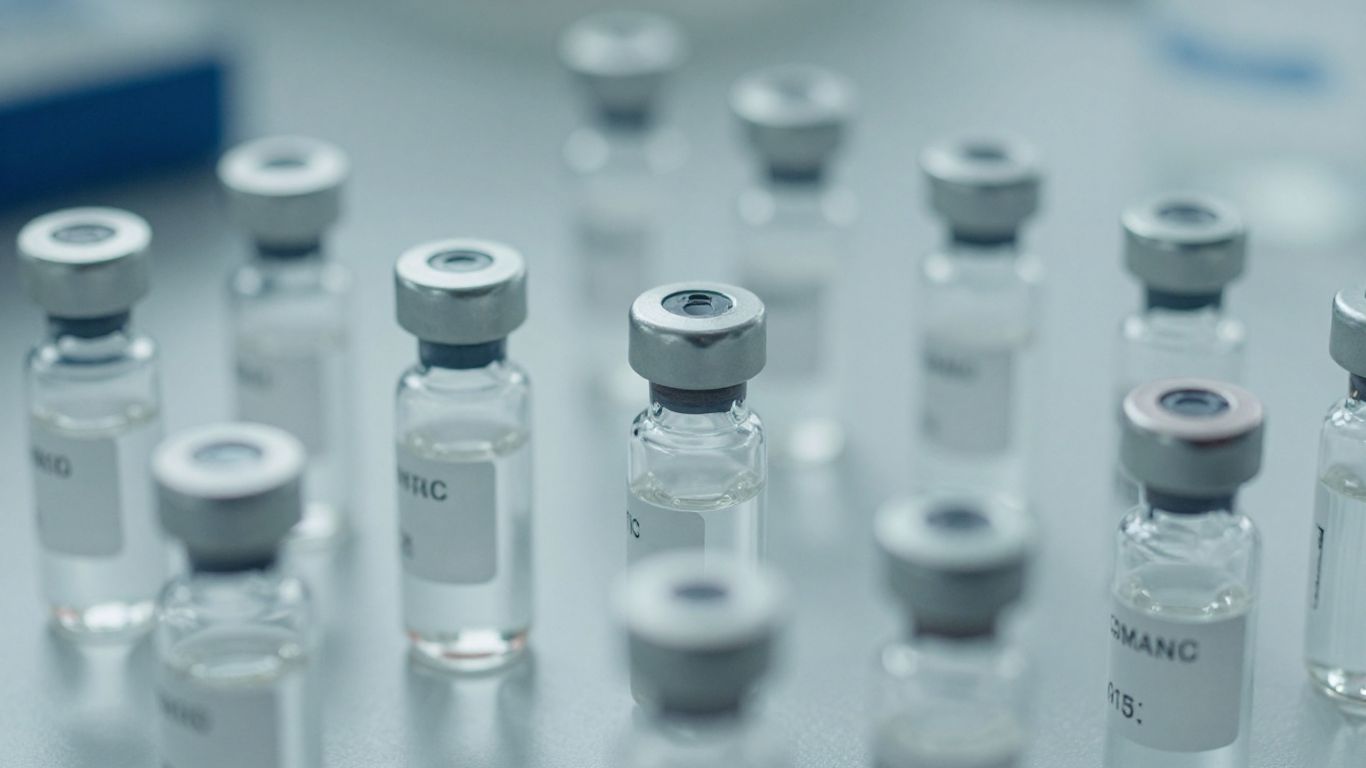
It might seem simple—just order peptides online and get back to the lab. But for researchers, a single slipup with quality can ruin months of careful work. Peptide quality isn’t something you can check with a simple glance; it depends on purity, accurate labeling, and controlled synthesis. If you cut corners, your experiments might give false results, or worse, you might introduce data that misleads others.
Sticking with trusted labs and suppliers who publish purity data prevents a lot of headaches in the long run.
There’s a real risk in buying peptides from unknown or poorly regulated sources. Some problems researchers have faced include:
| Risk Type | Potential Impact | Frequency with Low-Quality Suppliers |
|---|---|---|
| Mislabeling | Wrecked experiments | High |
| Chemical Contaminants | Toxicity, skewed data | Medium |
| Sequence Errors | Invalid results | High |
| Storage Issues | Degraded effectiveness | Medium-High |
Trustworthy, high-quality peptides help you avoid all these risks. At the core, the science stays clean—only variables you design affect the result, and anyone can reproduce your findings with confidence. Quality really is the foundation for:
The real value of quality peptides is in the longevity of your discoveries. Cheap shortcuts almost always cost more in the end.
When you’re looking for peptides for your research, it’s not just about finding the cheapest option. You need to know that what you’re buying is actually what it says it is, and that it’s pure enough to give you reliable results. So, how do you figure out if a supplier is on the level?
First off, a legitimate supplier will always make sure you’re old enough to purchase their products and will clearly state that the peptides are for research use only. This isn’t just a formality; it’s about following the rules and making sure the products don’t end up being misused. You’ll usually see a checkbox to confirm your age and a statement that the peptides are not for human consumption. It’s a simple step, but it shows they’re serious about compliance.
This is probably the most important document you’ll see. A Certificate of Analysis, or CoA, is like a report card for the peptide. It tells you exactly what the purity is, and it should come from a third-party lab, not just the supplier themselves. A CoA from an independent lab is your best proof that the peptide is pure and matches its description. Look for details like HPLC (High-Performance Liquid Chromatography) data. If a supplier can’t provide a batch-specific CoA, or if it looks generic, that’s a big warning sign. You want to see a purity level of 98% or higher, verified by someone other than the seller.
Take a good look at how the product is described. A trustworthy supplier will give you all the nitty-gritty details you need. This includes:
If the description is vague, uses confusing language, or leaves out key information, it might mean the supplier isn’t very knowledgeable or isn’t being upfront. You should be able to find everything you need to know to use the peptide correctly and confidently.
Choosing a supplier that provides clear, detailed information and verifiable documentation like CoAs is key to maintaining the integrity of your research. Cutting corners here can lead to wasted time and resources down the line.
When you’re looking to buy peptides for your research, the price tag and how the product gets to you are pretty important. It’s not just about finding the cheapest option; it’s about getting good value and making sure your materials arrive in good condition.
Sometimes, you’ll see prices for peptides that seem way too good to be true. If a peptide is listed for a fraction of what others are charging, you should definitely pause and think about why. Often, these super-low prices mean the supplier is cutting corners somewhere. This could be on the purity of the peptide, how it’s sourced, or even basic safety checks. Using a peptide that isn’t what it claims to be can mess up your experiments, leading to wasted time and resources. It’s better to pay a fair price for a product that’s been properly tested and verified. For example, peptide characterization services can range quite a bit, depending on what’s needed, but cutting costs here usually means a less reliable product.
How your peptides are shipped matters a lot. A good supplier will be clear about their shipping methods, costs, and how long it will take. You want to see that they use secure packaging to keep the peptides stable and protected during transit. Fast, discreet shipping, often within a few days, is usually a sign of a professional operation. If shipping details are vague, costs are hidden, or the packaging looks flimsy, it’s a warning sign. This could lead to delays, damage, or even issues with the product’s integrity by the time it reaches you. Look for suppliers who detail their shipping process and offer tracking.
While avoiding suspiciously low prices is key, that doesn’t mean you should overpay. Competitive pricing is a good thing when it reflects the actual quality and testing that goes into the peptides. Suppliers who offer fair prices alongside detailed Certificates of Analysis (CoA) and clear product information are usually a safe bet. They understand that researchers work with budgets, but they don’t compromise on the quality of their materials. It’s about finding that sweet spot where you get a reliable, well-tested product without breaking the bank. Remember, investing in verified, high-quality research materials upfront can save you a lot of trouble and expense down the line.
When you’re buying peptides for your research, it’s not just about the product itself. The support you get and the security of the transaction are just as important. Think about it: if something goes wrong, or if you have a simple question, who can you turn to? And how do you know your payment details are safe?
Researchers often run into questions, whether it’s about product specifications, shipping times, or even storage after arrival. A good supplier will have a customer support team that’s easy to reach and actually knows what they’re talking about. If you find yourself stuck with automated responses or long wait times, it’s a sign they might not be the best choice. You want to feel like your queries are taken seriously and answered promptly.
Your online safety is non-negotiable. When you’re entering payment information, you need to be sure the website is secure. A lack of security can lead to your personal and financial data being compromised. Always check for the padlock icon in your browser’s address bar, which indicates a secure connection (HTTPS). Also, consider the payment methods offered. A wide range of trusted options usually points to a more legitimate operation.
A secure website and payment process build trust. It shows the supplier respects your privacy and is committed to protecting your transaction from start to finish.
Before you complete a purchase, take a moment to review the supplier’s refund and privacy policies. These documents outline how the company handles returns, exchanges, and your personal data. Clear, easily accessible policies suggest transparency. If these are missing or written in confusing language, it might be a reason to be cautious. Knowing these terms upfront can save you a lot of hassle later on if an issue arises.
The UK has become a hub for peptide research, with scientists pushing boundaries across various fields. This growth means more researchers are looking for reliable sources for their materials. When you’re in the UK, finding a top-tier supplier isn’t just about convenience; it’s about getting products that meet strict standards. A supplier based in the UK often means faster delivery and fewer complications with customs.
Top suppliers in the UK distinguish themselves through a commitment to verifiable quality and researcher support. They understand that research outcomes depend heavily on the purity and consistency of the peptides used. This means providing detailed documentation and adhering to high production standards. You’ll find that these suppliers are transparent about their processes and readily provide the data you need.
Opting for a UK-based supplier offers several practical advantages. Products dispatched from within the UK typically arrive much faster than international shipments. This reduces the time your research materials spend in transit, minimizing potential exposure to temperature fluctuations or handling issues. Furthermore, having stock readily available within the UK means you can get what you need without long waits for international shipping or customs clearance.
UK researchers are known for their meticulous approach to science. They demand accuracy and reliability in their research materials. A premier UK peptide supplier will meet these expectations by providing:
The UK research landscape is evolving, and so are the expectations for peptide suppliers. Researchers are increasingly looking for suppliers who can provide robust, independently verified data to support their work. This shift towards data-driven quality assurance is vital for reproducible scientific results.
Choosing a supplier that aligns with these high standards is key to maintaining the integrity and efficiency of your research projects.
Buying peptides for your research can feel a bit like a treasure hunt, and not always the fun kind. You want the good stuff, the pure compounds that will give you solid results, but the online market can be a bit of a maze. So, how do you quickly figure out if a seller is on the level? It really comes down to a few key things you can check in just a few minutes. Don’t skip these initial checks; they can save you a lot of trouble down the line.
It might be tempting to grab peptides that are priced significantly lower than the competition. We’ve all seen those deals that seem too good to be true. But here’s the thing: when it comes to research materials, the cheapest option often ends up costing you more in the long run. You might end up with impure compounds, which can lead to failed experiments, wasted time, and the need to re-purchase materials anyway. Plus, using unverified peptides could even introduce variables that skew your research outcomes, making your results unreliable. It’s like trying to build a sturdy house with flimsy materials – it just won’t stand up to scrutiny.
Investing in high-quality, verified peptides from a reputable source isn’t just about buying a product; it’s about investing in the integrity and reproducibility of your research. The upfront cost might be higher, but the assurance of purity, accurate labeling, and reliable results provides a far greater return.
Ultimately, your research depends on the quality of the materials you use. When you choose a supplier that prioritizes transparency, provides detailed CoAs, and offers clear product information, you’re not just making a purchase; you’re making a smart investment in your scientific work. Think about it: reliable data comes from reliable sources. Suppliers who are upfront about their testing, their pricing, and their shipping practices are usually the ones who stand behind their products. This commitment to quality means you can focus on your experiments, confident that your peptides are what they say they are, and that they’ll perform as expected. It really simplifies things when you know you can trust your supplier.
When you’re looking to buy peptides, it’s smart to do your homework first. Understanding what you’re getting into helps you make the best choices. We want to make sure you have all the info you need. Visit our website today to learn more about making smart decisions when buying peptides.
So, buying research peptides might seem a bit tricky at first, but it doesn’t have to be a headache. By keeping an eye out for those warning signs we talked about and knowing what a good supplier looks like, you can feel more confident with every purchase. It’s all about being smart and careful. Remember, good quality research materials are key to getting reliable results in your work. Don’t cut corners when it comes to the stuff you’re using for your experiments. Stick to suppliers who are open about their products and follow the rules, and your research will be all the better for it.
Think of peptides as tiny messengers in your body, made from building blocks called amino acids. They’re like short sentences compared to long stories (proteins). Scientists use special, man-made versions of these messengers in labs to study how different parts of the body work. They help researchers understand specific body processes very precisely, which is super important for discovering new things in science.
The best way to know for sure is to look for a Certificate of Analysis, or CoA. This is like a report card for the peptide, showing it’s pure and exactly what it says it is. Reputable sellers get this from independent labs. Also, check if the seller is clear about where the peptide came from and how it was tested. Avoid sellers who are vague or don’t offer a CoA.
Watch out for a few things. If a seller doesn’t ask for your age or clearly state the product is ‘for research use only,’ that’s a warning. Also, if the prices seem way too low compared to others, it might mean they’re cutting corners on quality. Unclear product details or shipping information are also red flags. Good sellers are upfront and honest about everything.
Buying from a UK-based supplier often means faster shipping times, usually within a few days. They also tend to understand and follow UK laws about selling research chemicals better. Plus, if you have questions or issues, it’s usually easier to get help from a company that operates in your own country.
A good supplier will have helpful customer support ready to answer your questions. Look for companies that offer support through email, chat, or even phone. They should be able to guide you on how to store your peptides properly (often in a fridge) and how to handle them safely for your research.
Yes, it is legal to buy peptides in the UK, but only for research purposes. They are sold as ‘research chemicals’ and are not meant for people or animals to consume. Always buy from sellers who make it very clear that their products are strictly for laboratory research and not for any other use.
 by
by