Best Peptides for Fat Loss Research 2026: A Comparative Guide
Why are 68% of metabolic studies still struggling to differentiate between simple appetite suppression and genuine cellular lipolysis? You’ve likely...
 Are you over 18 years old?
This website requires you to be 18 years or older to enter our website and see the content.
Are you over 18 years old?
This website requires you to be 18 years or older to enter our website and see the content.

You might have heard about BPC-157, a peptide that’s been talked about for its potential to help with healing. People are curious if they can just pick it up at a common place like Chemist Warehouse. This article looks into why that’s not the case and what you really need to know about BPC-157 availability and safety.
BPC-157 is a peptide that has generated a lot of interest, particularly in wellness and athletic circles, for its supposed healing properties. However, it’s really important to get a handle on its current status. As of now, BPC-157 has not received approval from the U.S. Food and Drug Administration (FDA) for any medical use in humans. This means it’s not considered a legitimate drug for treating any condition. The research available, while showing some promise in preclinical studies, is not extensive enough to meet the rigorous standards required for drug approval. This lack of official sanction is a major reason why you won’t find it in mainstream pharmacies.
Because BPC-157 isn’t an approved drug, its availability through standard pharmacies is extremely limited, if not nonexistent. In places like Australia, BPC-157 is classified as a Schedule 4 prescription-only medicine, making it illegal to obtain without a valid prescription from a doctor. Websites that suggest otherwise are often misleading. The situation in the United States is similar in practice, though perhaps less formally defined for all scenarios. The FDA has explicitly stated that there is no legal basis for compounding pharmacies to use BPC-157 in medications. This stance effectively prevents its legitimate dispensing through regulated channels.
Regulatory bodies, including the FDA, have taken notice of the growing availability of BPC-157 and similar peptides. The FDA has issued warnings about the safety risks associated with these unregulated compounds. They’ve highlighted concerns about purity, accurate dosage, and potential contamination. In some instances, regulatory agencies have taken action to remove or restrict the sale of such products. The World Anti-Doping Agency (WADA) also lists BPC-157 as a prohibited substance at all times, classifying it under ‘S0 Unapproved Substances.’ This classification is significant for athletes, as using BPC-157 can lead to doping violations.
The landscape surrounding BPC-157 is complex, with a significant disconnect between its perceived benefits and its regulatory and legal standing. Consumers often encounter it through channels that operate outside of traditional pharmaceutical oversight, leading to considerable uncertainty about product quality and safety.
Here’s a quick rundown of its regulatory status:
When you get something like BPC-157 from a source that isn’t a regulated pharmacy, you’re stepping into some pretty uncertain territory. Because it’s not approved for human use by places like the FDA, the stuff you buy often comes with a whole host of potential problems. It’s not just about whether it works; it’s about what else might be in there.
One of the biggest worries with unregulated BPC-157 is what’s actually in the vial. Studies and reports have shown that products sold online, even those claiming high purity, can be contaminated or simply not contain the peptide they say they do. This means you might be getting something entirely different, or worse, a mix of things that could be harmful.
The exact amount of the active ingredient can also vary wildly, making consistent dosing impossible. This lack of control over what you’re actually taking is a major red flag.
Beyond just the wrong ingredients, there’s also the risk of contamination from things like bacteria or endotoxins. If BPC-157 is intended for injection, a lack of sterile handling during manufacturing or packaging can lead to serious infections. These aren’t minor issues; they can cause significant inflammation, fever, and even sepsis. The dangers of injecting unregulated compounds are often underestimated, and sterility is a key part of that risk.
Since BPC-157 hasn’t gone through rigorous human trials, its long-term effects are largely a mystery. We don’t have data on what happens after months or years of use. This includes questions about potential impacts on the immune system, cell growth, or even cancer risk. Without proper studies, any use of BPC-157 is essentially an experiment on yourself.
The lack of comprehensive human data means that the full spectrum of potential side effects and long-term consequences remains uncharacterized. This uncertainty is a significant barrier to its safe and responsible use.
Because BPC-157 is not approved by regulatory bodies like the FDA, it’s not subject to the same quality control standards as legitimate medications. This leaves users vulnerable to a range of risks, from ineffective treatment to serious adverse health events. The FDA’s stance on BPC-157 highlights these concerns regarding its unapproved status and potential safety issues.
Compounding pharmacies are specialized facilities that prepare customized medications. They can alter existing drugs or create new formulations based on a doctor’s specific instructions, often to meet unique patient needs like allergies or specific dosages. For a while, this practice extended to peptides like BPC-157. Doctors would write prescriptions for BPC-157, and compounding pharmacies would synthesize the raw peptide and prepare it into various forms, such as injectables, nasal sprays, or capsules. This created a pathway for individuals to access BPC-157, even though it wasn’t an FDA-approved drug for general use. However, this practice operates in a legal gray area, and regulatory bodies have expressed concerns.
Alongside compounding pharmacies, a significant number of online vendors emerged, marketing BPC-157 and other peptides under the guise of ‘research chemicals.’ These websites often explicitly state that their products are not for human consumption, a tactic used to circumvent regulations. Despite this labeling, it’s widely understood that these products are frequently purchased and used by individuals seeking therapeutic benefits. This creates a situation where consumers are obtaining potent biological compounds from sources with little to no oversight regarding purity, dosage, or sterility. The FDA has issued warnings to such retailers, identifying products like injectable BPC-157 as unapproved new drugs being sold illegally.
Authorities have begun to take a firmer stance against the unregulated distribution of peptides. In a notable case in 2020, a compounding pharmacy pleaded guilty to distributing unapproved new drugs, including BPC-157, and forfeited millions in revenue. This action sent a clear message that selling BPC-157 for human use violates federal law. Consequently, many reputable compounding pharmacies have ceased openly distributing it, fearing similar legal repercussions. The FDA has also added BPC-157 to a list of compounds presenting significant safety risks, flagging concerns about impurities and the lack of safety data for human use. This regulatory pressure has pushed the availability of BPC-157 further into the grey markets and black market, away from regulated pharmaceutical channels.
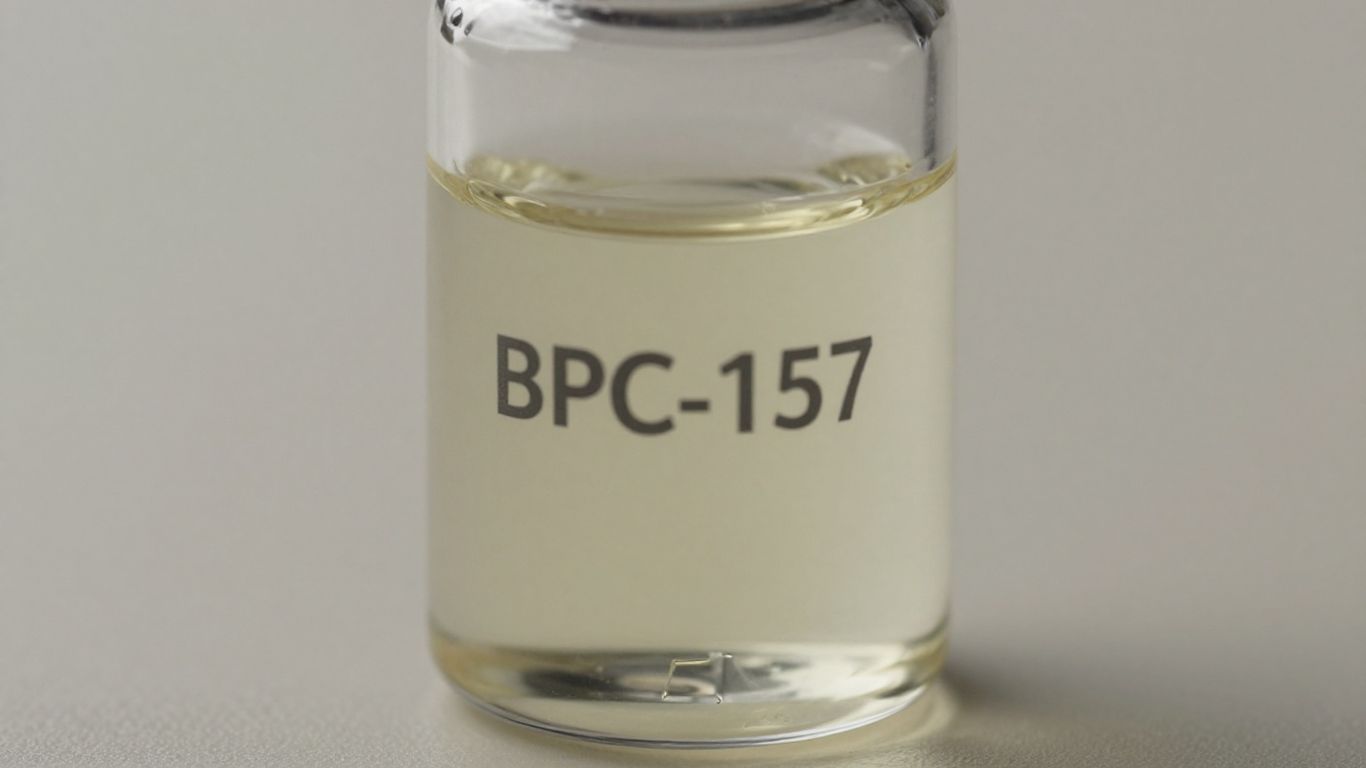
When athletes look for ways to recover faster or boost their performance, they sometimes stumble upon compounds like BPC-157. It’s a peptide that’s been talked about a lot for its supposed healing properties. But here’s the thing: sports organizations, especially those focused on fair play and athlete health, have a close eye on substances like this. The World Anti-Doping Agency (WADA) has specifically listed BPC-157 as a prohibited substance.
WADA maintains a list of banned substances and methods to ensure a level playing field in sports. BPC-157 falls under the category of S0, which is for "Unapproved Substances." This means it’s not approved for any medical use by any recognized regulatory authority. Because it hasn’t gone through the rigorous testing required to prove safety and effectiveness in humans, WADA prohibits its use. This classification is pretty clear: athletes competing under WADA rules cannot use BPC-157.
For athletes, this WADA classification has significant consequences. Using BPC-157, even if they believe it’s for legitimate healing, can lead to serious penalties. These can include:
It’s important for athletes to understand that even if a substance isn’t explicitly listed by name, if it falls under a prohibited category like "Unapproved Substances," it’s still banned. The responsibility lies with the athlete to know what they are putting into their bodies. Trying to get a Therapeutic Use Exemption (TUE) for BPC-157 is also not an option, as there’s no clinical basis for granting one since it’s not an approved medical treatment [97bd].
The allure of faster recovery or enhanced performance can be strong, but the risks associated with using unapproved substances like BPC-157 in sports are substantial. Athletes must prioritize their health and the integrity of the sport by adhering to anti-doping regulations.
Many athletes might hear about BPC-157 from various sources, often marketed as a "research chemicals" or for "wellness." However, these claims don’t override the official WADA ban. The focus for athletes should always be on evidence-based recovery methods and treatments that have been approved for human use and are not on any prohibited lists [3f36].
When we talk about prescribing any kind of treatment, especially something as new and unproven as BPC-157, doctors have a lot to think about. It’s not just about what might work; it’s about what’s safe and responsible. The whole situation with BPC-157 really puts these ethical questions front and center.
Doctors take an oath, and a big part of that is the principle of ‘do no harm.’ This means they’re supposed to use treatments that are backed by solid evidence or, at the very least, have a reasonable chance of helping without causing too much trouble. With BPC-157, we just don’t have that kind of proof yet. The research is mostly in early stages, and a lot of the positive reports come from sources that might have a vested interest in selling the peptide. This lack of clear, independent data makes it hard for a doctor to ethically recommend or prescribe it.
It’s tough when patients come in hoping for a miracle cure, and BPC-157 sounds like it could be one. But the reality is, the claimed benefits aren’t fully proven in large-scale human studies. At the same time, we don’t know the full picture of potential risks, especially over the long term. There are even concerns about how BPC-157 might interact with certain cellular pathways that are also involved in cancer growth. It’s a real balancing act for a doctor to weigh these unknowns against the patient’s desire for relief.
The medical community is grappling with how to handle substances like BPC-157. While the idea of faster healing is appealing, the absence of rigorous safety and efficacy data means that using it outside of a controlled research setting is essentially an experiment on the patient. This raises serious questions about deviating from established medical standards and the potential for harm.
When a doctor prescribes something, patients trust that it’s a safe and appropriate choice. For informed consent to be truly meaningful, patients need to understand all the potential risks, benefits, and alternatives. With BPC-157, it’s difficult, if not impossible, to fully inform a patient about the long-term risks because that information simply doesn’t exist yet. A doctor might say it’s not FDA-approved and safety data is limited, but can a patient truly grasp the implications? This is why many experts suggest that prescribing BPC-157 outside of a clinical trial could be considered malpractice, as it’s hard to get genuine informed consent when the risks are so poorly understood. It’s important for patients to know their rights and to ask tough questions about any treatment they are considering, especially those that operate in a legal gray area like BPC-157 [a31d].
It’s understandable to look for solutions at familiar places like Chemist Warehouse when dealing with injuries or health concerns. However, BPC-157 simply isn’t stocked there, or at any other licensed pharmacy for that matter. This isn’t an oversight; it’s a direct result of its regulatory status. BPC-157 has not been approved by health authorities for human use, meaning it cannot be legally prescribed or sold over the counter as a medication. This lack of approval means it doesn’t meet the stringent safety and efficacy standards required for products found in regulated pharmacies. The World Anti-Doping Agency (WADA) even classifies it as an unapproved substance, further highlighting its non-standard status in the health and wellness world.
Many sources offering BPC-157 label their products as "for research use only." This is a common tactic to bypass regulations, but it carries significant risks. When you buy a "research chemical," you’re stepping outside the regulated system that protects consumers. The purity and dosage can be highly variable, and there’s a real chance of contamination. Studies have found common contaminants in these vials, including:
The lack of oversight means you’re essentially taking a gamble with your health.
Given the uncertainties surrounding BPC-157, it’s vital to prioritize treatments that have a solid foundation in scientific evidence and regulatory approval. While the idea of a quick healing compound is appealing, the potential risks associated with unregulated peptides are substantial. The pathways BPC-157 is thought to activate for healing are also implicated in cancer cell growth, and long-term safety data is simply non-existent. This means we don’t know if it could potentially cause tumors or affect fertility over time. Relying on products that haven’t undergone rigorous testing and approval processes, like those found on research chemical websites, is a risky approach. It’s always best to consult with healthcare professionals who can guide you toward treatments that are proven safe and effective, rather than venturing into the unknown with unapproved substances. Remember, BPC-157 is not a dietary ingredient and cannot be legally prescribed or sold over the counter.
The promise of rapid healing is tempting, but the reality of unregulated substances is often far less appealing. Without proper testing and approval, the potential for harm, including contamination and unknown long-term effects, is significant. Always seek treatments backed by science and regulatory oversight.
Exploring BPC-157 can be a fascinating journey into how our bodies heal. This compound is often talked about for its potential to help with recovery and overall well-being. If you’re curious to learn more about what BPC-157 might offer, we invite you to dive deeper into the details on our website. Discover how this research chemical could support your health goals.
So, after looking into it, it’s pretty clear that finding BPC-157 at a place like Chemist Warehouse isn’t really an option. The main reason is that it’s not approved by the FDA for people to use. Most of what’s out there is sold as ‘research chemicals,’ which basically means they’re not meant for us. Plus, there are big worries about what’s actually in those vials – things like contamination or not getting the right stuff. The government and health agencies are cracking down on this stuff, and for good reason. It’s just not worth the risk when you don’t know what you’re getting or what it might do to you. Stick to what’s proven and safe.
No, you cannot find BPC-157 at regular pharmacies like Chemist Warehouse. This is because BPC-157 has not been approved by health authorities, such as the FDA, for use in people. Pharmacies are only allowed to sell medicines that have been tested and approved for safety and effectiveness.
People often get BPC-157 from websites that sell it as a ‘research chemical’ or through special compounding pharmacies. However, these sources are not regulated, meaning the product might not be pure, could have the wrong amount of the active ingredient, or might even contain harmful substances.
Using BPC-157 from unregulated sources carries significant risks. The biggest concerns are that the product might be contaminated with bacteria or other harmful things, it might not actually contain BPC-157, or the dosage could be wrong. Injecting something impure or incorrectly dosed can lead to infections, sickness, or other serious health problems.
No, BPC-157 has not been proven safe or effective for people. While some early studies in animals showed promise for healing, there haven’t been enough large-scale studies in humans to know for sure if it works for specific conditions or if it’s safe to use long-term. There are also worries that it could potentially encourage the growth of cancer cells.
The World Anti-Doping Agency (WADA) has BPC-157 on its list of prohibited substances. This is because it’s an unapproved substance, and its use in sports could potentially be misused to enhance performance or recovery in ways that aren’t medically supervised or proven safe.
If you are thinking about using BPC-157, it is very important to talk to a doctor first. They can explain the risks and the lack of scientific proof for its benefits. It’s crucial to prioritize your health and safety by choosing treatments that are approved and have solid evidence supporting their use, rather than experimenting with unproven substances.
 by
by