Best Peptides for Fat Loss Research 2026: A Comparative Guide
Why are 68% of metabolic studies still struggling to differentiate between simple appetite suppression and genuine cellular lipolysis? You’ve likely...
 Are you over 18 years old?
This website requires you to be 18 years or older to enter our website and see the content.
Are you over 18 years old?
This website requires you to be 18 years or older to enter our website and see the content.

BPC 157, a peptide derived from stomach protein, is talked about a lot for helping with healing and inflammation. People are curious about its benefits, but it’s really important to look at the other side of the coin too – the potential bpc 157 side effects. We need to know what could happen, especially since it’s not approved by the FDA for human use. Let’s break down what you should be aware of.
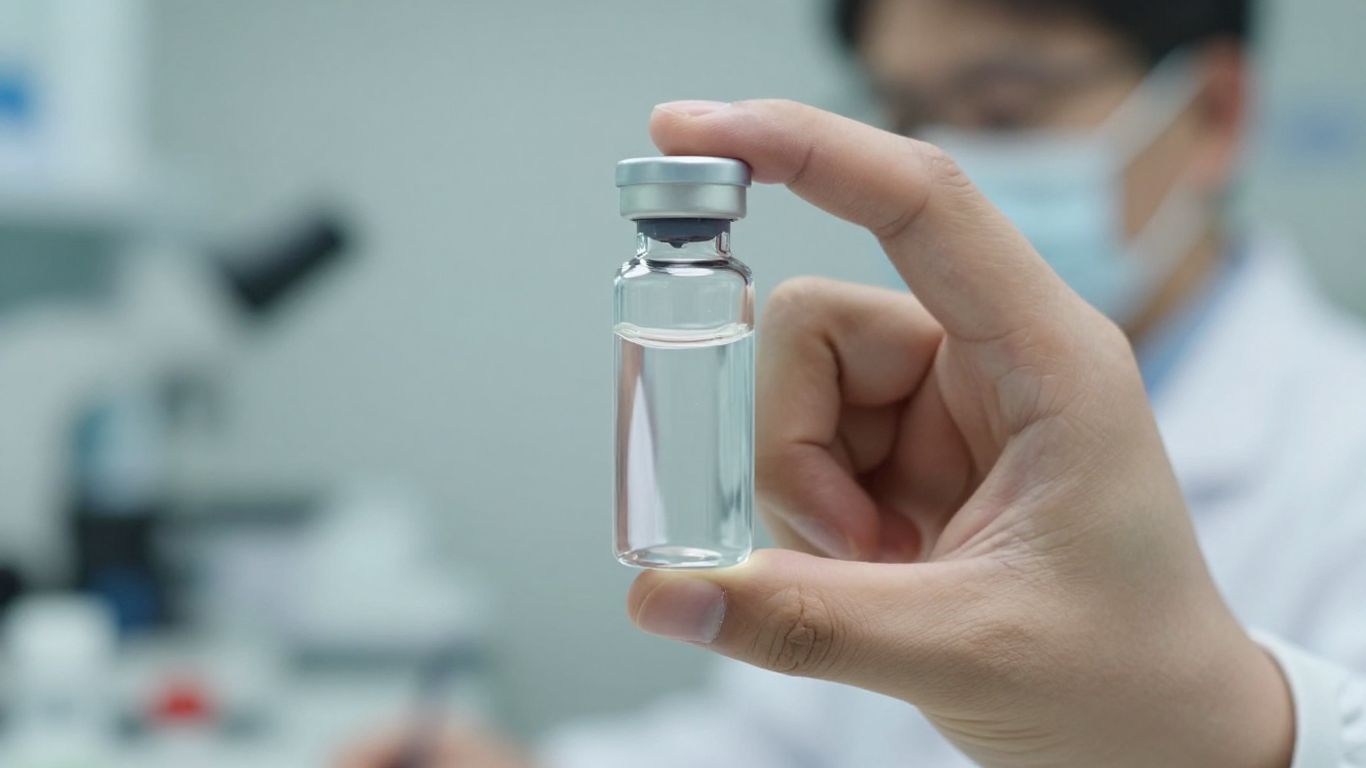
When people talk about BPC 157, they often focus on its potential benefits for healing and recovery. It’s a peptide that’s generated a lot of interest, especially in fitness and injury circles. But like anything that affects the body, it’s important to look at the other side of the coin – the potential side effects. While research is still ongoing, and much of it is in animal models, understanding what could happen is key.
Most of the information out there comes from anecdotal reports rather than large-scale clinical trials. People have mentioned a few things that seem to pop up more often than others. These aren’t usually severe, but they’re worth noting.
It’s important to remember that these are based on user experiences, and not everyone reports them. The vast majority of anecdotal reports suggest BPC 157 is generally well-tolerated.
Why do some people experience side effects while others don’t, or why are they more intense for some? Several things might play a role:
This is where things get really individual. What one person experiences can be completely different from another. Some people report absolutely no side effects, even at higher doses, while others are sensitive to even small amounts. This variability is common with many compounds, and BPC 157 is no exception. For instance, a recent report indicated that intravenous administration was well-tolerated in two women, with no adverse events noted [eeae]. This highlights the need for personalized observation when considering its use.
The lack of extensive human trials means that predicting individual responses is challenging. What works for one person might not work the same way for another, and side effects, if they occur, can be unpredictable.
It’s also worth considering that some reported effects might be linked to the placebo or nocebo effect, where expectations can influence perceived outcomes. Because BPC 157 is not an FDA-approved medication, its use falls into a gray area, and individuals often rely on community experiences and their own trial-and-error.
When we talk about BPC-157, it’s really important to acknowledge that there’s a lot we still don’t know. This isn’t like a medication that’s gone through years of rigorous testing. Because of this, there are some significant risks and unanswered questions that anyone considering it should be aware of.
The biggest hurdle with BPC-157 is the sheer lack of extensive human studies. While animal research and some small case reports might hint at benefits, they don’t tell the whole story for people. We don’t have large, well-controlled clinical trials that can definitively prove its safety and effectiveness over the long haul. This means we can’t confidently answer questions about:
Without this kind of data, using BPC-157 is essentially stepping into the unknown. It’s crucial to understand that the available information is not robust enough to make informed decisions about long-term use.
Given that BPC-157 is derived from a protein found in stomach juice, there are theoretical concerns about its impact on various organ systems. While some research suggests it might protect the gut, its systemic effects are not fully understood. Could it influence liver function, kidney health, or other vital organs in ways we haven’t yet discovered? The potential for unintended consequences on organ systems remains a significant area of concern. We simply don’t have enough data from human trials to rule out adverse effects on organs, especially with prolonged use or higher doses.
Beyond specific organs, the overall systemic effects of BPC-157 are largely a mystery. We don’t know how it might affect hormonal balance, immune responses, or even reproductive health over time. The body is a complex system, and introducing a compound without a complete understanding of its widespread interactions can lead to unexpected outcomes. This lack of knowledge means that potential side effects could manifest in various, unpredictable ways, making it difficult to anticipate or manage any adverse reactions that might arise. It’s a bit like trying to fix one part of a complex machine without knowing how it connects to everything else.
The absence of comprehensive, long-term human clinical trials means that the full spectrum of BPC-157’s effects, both positive and negative, remains largely uncharacterized. This gap in knowledge necessitates a highly cautious approach, especially for individuals considering its use for therapeutic purposes.
When you start looking into BPC 157, you quickly run into a bit of a regulatory maze. It’s not exactly a drug that’s gone through all the official channels you’d expect for something people are using for health and recovery.
The U.S. Food and Drug Administration (FDA) has taken a stance on BPC 157, and it’s not one of approval. As of September 2023, they’ve put it in a category called ‘bulk drug substances’ that are not approved for use in compounded medications. This means that while it’s not a complete ban, it makes it really difficult for doctors to legally prescribe it as part of a custom medication. The FDA’s reasoning often comes down to safety concerns and the fact that there just isn’t enough solid human data to back up its use.
For anyone involved in competitive sports, this is a big deal. The World Anti-Doping Agency (WADA) has officially banned BPC 157. They’ve placed it on their list of ‘unapproved substances.’ This ban applies whether athletes are competing or just training. The reason is pretty straightforward: it hasn’t been approved for human use, and its potential effects on performance are not fully understood or vetted.
Because BPC 157 isn’t an approved medication, you often find it being sold through less regulated channels. This is where things can get a bit dicey. You might see it advertised as a ‘research chemical’ or available from online vendors that don’t have the same oversight as a pharmacy. This lack of regulation brings up serious questions about:
The lack of official approval and the availability through unregulated channels mean that users are essentially taking a leap of faith regarding the product’s quality and safety. This situation creates a significant risk for individuals seeking to use BPC 157 for therapeutic purposes.
While BPC 157 is being explored for its potential healing properties, it’s not a one-size-fits-all solution. Certain groups of people should be particularly careful or avoid it altogether due to a lack of extensive human safety data and potential interactions with their existing health status.
If you have any ongoing health issues, it’s wise to approach BPC 157 with extra caution. The research on how this peptide might affect people with conditions like autoimmune disorders, chronic infections, or significant organ dysfunction is very limited. Since BPC 157 is thought to influence various bodily processes, including inflammation and healing, it could potentially interfere with the management of these conditions or lead to unexpected complications.
The lack of comprehensive human trials means that the long-term consequences and potential interactions with various health states remain largely speculative. Proceeding without professional medical advice could introduce unnecessary risks.
As people age, their bodies often experience changes in organ function, particularly in the liver and kidneys, which are responsible for processing and eliminating substances from the body. BPC 157, like any compound introduced into the system, would be subject to these metabolic processes. The potential strain on these organs, especially if they are already compromised by age or other health issues, is a significant consideration. Without clear data on how BPC 157 is metabolized and cleared in older individuals or those with impaired organ function, it’s difficult to predict its safety profile.
Athletes, particularly those in competitive sports, need to be aware of the regulatory status of BPC 157. It is currently banned by the World Anti-Doping Agency (WADA) under the category of unapproved substances. This means that using BPC 157 can lead to sanctions and disqualification. Beyond the regulatory aspect, athletes often seek performance benefits, but the long-term effects of BPC 157 on athletic performance and the potential for masking injuries or creating new imbalances are not well-documented. Relying on unapproved substances for recovery or enhancement carries inherent risks that could jeopardize an athlete’s career and health.
When considering BPC 157, it’s really important to talk to a doctor or a qualified healthcare provider first. This isn’t something you should just try on your own based on what you read online. Since BPC 157 isn’t approved by the FDA for human use, there aren’t clear guidelines on how to use it safely. A professional can help you understand if it’s even a good idea for your specific situation and what potential risks might be involved. They can also discuss other, more established treatments that might be better suited for you.
If you and your healthcare provider decide that BPC 157 might be something to explore, it’s vital that any plan is tailored specifically to you. This means considering your health history, any existing conditions you have, and what you’re hoping to achieve. A one-size-fits-all approach just doesn’t work, especially with substances that have limited research. Your provider can help figure out the right dosage, how often you might use it, and for how long, all while keeping your overall well-being in mind. This personalized approach is key to minimizing potential problems.
Even if you’re working with a professional, you still need to be aware of how your body is reacting to BPC 157. Keep an eye out for any unusual changes or symptoms. It’s a good idea to keep a log of how you feel, noting any new aches, pains, digestive issues, or anything else that seems out of the ordinary. If you notice anything concerning, stop using it and contact your healthcare provider immediately. Early detection of any adverse reactions is the best way to prevent them from becoming serious problems.
When you buy BPC-157 online, it’s often sold as a ‘research chemical.’ This means it hasn’t gone through the same strict testing as medications you’d get from a pharmacy. Because of this, there are real worries about what’s actually in the vials you might receive. The biggest issue is that these products are frequently contaminated or not what they claim to be.
Peptides sold for research purposes bypass the rigorous quality control that pharmaceutical-grade products undergo. This lack of oversight means several potential problems can arise:
Studies looking into peptides bought online have found a range of concerning contaminants. These aren’t just minor issues; some can have serious health consequences.
Beyond contamination, another significant risk is mislabeling. You might think you’re getting BPC-157, but the vial could contain something else entirely, or even just an inert substance.
The lack of regulation means there’s no reliable way to verify the contents of a product purchased outside of a licensed pharmacy. Even if a website claims third-party testing, there’s no official body overseeing these claims or the testing process itself.
This uncertainty is particularly dangerous for injectable peptides. If a product is mislabeled, you could be injecting unknown substances into your body, leading to unpredictable and potentially severe adverse reactions. This could range from localized infections at the injection site to systemic issues affecting your entire body. The consequences of using a product that isn’t what it says it is can be severe and long-lasting.
When dealing with certain products, it’s important to be aware of potential issues like contamination or purity. We take these concerns very seriously to ensure you receive the best quality. If you have questions about our product standards or want to learn more about how we maintain purity, please visit our website for detailed information.
So, we’ve talked a lot about BPC 157, its potential upsides, and, importantly, the side effects and risks. While it sounds promising for recovery and healing, it’s not a magic bullet. The research is still pretty limited, especially when it comes to long-term effects in people. Plus, the fact that it’s not FDA-approved means you really need to be careful about where you get it from – contamination is a real concern. If you’re thinking about trying it, it’s best to chat with a healthcare professional who knows about peptides. They can help you weigh the pros and cons and make sure you’re using it as safely as possible, if you decide to go that route.
BPC-157 is a man-made substance that comes from a protein found in your stomach. People are interested in it because early studies suggest it might help heal injuries, reduce swelling, and help your gut. It’s become popular in sports and wellness circles for these potential benefits.
While many people don’t have problems, some might feel a little sick to their stomach (nausea), tired, or dizzy. These usually aren’t serious and tend to go away. The amount you use and how your body reacts can affect how strong these effects are.
No, BPC-157 is not approved by the U.S. Food and Drug Administration (FDA) for use in people. Most of the studies done so far have been on animals, not humans. This means its safety and how well it works in people are not fully proven.
Since BPC-157 isn’t approved, its long-term effects on humans are not well known. There’s also a risk that products sold online might be impure, contaminated, or not contain what they claim. This lack of regulation means potential risks are not fully understood.
People who already have health problems, especially with their liver or kidneys, should be extra cautious. Older adults might also need to be more careful. Athletes should also be aware that BPC-157 is banned in many sports because it’s considered a performance-enhancing substance.
Because BPC-157 is not FDA-approved and can be risky, it’s very important to talk to a healthcare professional before using it. They can help you understand the potential risks, create a plan just for you, and watch for any problems that might come up.
 by
by