Best Peptides for Fat Loss Research 2026: A Comparative Guide
Why are 68% of metabolic studies still struggling to differentiate between simple appetite suppression and genuine cellular lipolysis? You’ve likely...
 Are you over 18 years old?
This website requires you to be 18 years or older to enter our website and see the content.
Are you over 18 years old?
This website requires you to be 18 years or older to enter our website and see the content.

In the world of fitness and recovery, new compounds are always popping up. Two that get a lot of attention are BPC 157 and TB500. People talk about them for helping the body heal and recover faster. They come from different places and work in slightly different ways, but both seem to aim at getting you back to feeling good. This article looks at what they are, how they might help, and what to think about if you’re considering using them, especially when looking at the bpc 157 tb500 combination.
TB500 is a synthetic peptide that’s a fragment of thymosin beta-4, a protein found naturally in the body. Its main job seems to be helping cells move around and repair things. Think of it as a general contractor for tissue repair, working across the whole body. It’s known for its ability to help build new blood vessels, which is pretty important for healing. This makes it a go-to for broader recovery needs, like after surgery or for general muscle repair.
TB500 acts more like a systemic agent, influencing healing processes throughout the body rather than focusing on one specific spot. Its effects are often described as promoting a more generalized regenerative environment.
BPC-157, on the other hand, comes from a protein found in stomach acid. It’s a bit more specialized. While it also helps with healing, it’s particularly noted for its work on tendons, ligaments, and the gut lining. Studies suggest it helps speed up the healing of these specific tissues, possibly by influencing things like fibroblast activity and the body’s own healing signals. It’s often considered for localized injuries or issues within the digestive system. BPC-157 shows strong preclinical evidence for localized tendon and ligament healing.
While BPC-157 and TB500 have their own strengths, some people look at using them together. The idea is that TB500 could provide the broad, systemic support for healing, while BPC-157 targets specific areas like a damaged tendon or a sensitive gut. This combination approach aims to cover more bases in the recovery process. However, using them together should really only be considered with guidance from a medical professional, as research is still ongoing. You can find more information on peptide use and its applications at peptide research.
| Feature | TB500 | BPC-157 |
|---|---|---|
| Origin | Synthetic fragment of Thymosin ?4 | Derived from gastric protective protein |
| Primary Action | Systemic tissue repair, angiogenesis | Localized tendon/ligament, gut repair |
| Best For | Broad muscle/tissue recovery | Tendon, ligament, and GI tract issues |
| Vascularization | Promotes new blood vessel growth | Modulates VEGF during repair |
When we talk about BPC 157 and TB 500, we’re really looking at how they help the body fix itself. It’s not just about speeding things up; it’s about supporting the body’s natural repair systems in a more effective way. Both peptides have their own ways of working, but when used together, they can create a pretty powerful effect.
BPC 157 is known for its ability to help various tissues heal. It seems to work by influencing the body’s own signaling pathways. One of the main things it does is promote angiogenesis, which is the growth of new blood vessels. This is super important because it means more oxygen and nutrients can get to the injured area, helping it to repair faster. It also seems to interact with the nitric oxide system, which can help with blood flow and reduce inflammation. Think of it like giving the repair crew a better supply line and clearer instructions.
BPC-157 appears to amplify the body’s inherent healing signals, making existing repair processes more efficient rather than introducing something entirely foreign. This systemic action means it can support healing wherever it’s needed.
TB 500, which is a part of thymosin beta-4, focuses a lot on cell movement and regeneration. It’s particularly good at helping cells get to where they need to be to start the repair process. This is key for healing because damaged areas need new cells to come in and rebuild. TB 500 helps with this by influencing actin, a protein involved in cell structure and movement. It’s like clearing the path and directing traffic for the repair cells. This peptide is often seen as beneficial for overall tissue repair, not just one specific type.
Both peptides play a role in improving blood flow and the formation of new blood vessels. BPC 157 directly influences pathways that lead to new vessel growth, while TB 500 also supports these processes by encouraging endothelial cell migration. This improved vascularization is a common thread in their healing mechanisms. When tissues get a better blood supply, they can heal more effectively. This is a big reason why they are looked at for recovery from injuries. You can find more information on how BPC-157 works to promote angiogenesis.
| Peptide | Primary Action on Vascularization |
|---|---|
| BPC 157 | Stimulates VEGF signaling, promoting new blood vessel formation |
| TB 500 | Supports endothelial cell migration and tube formation |
When it comes to bouncing back from injuries or just dealing with the daily grind on your body, the musculoskeletal system often takes the brunt. This is where peptides like BPC-157 and TB500 really shine, offering specific advantages for muscles, tendons, and ligaments. They’re not just about general healing; they target these tissues directly to speed things up.
Injuries to tendons and ligaments can be particularly frustrating because they often heal slowly. BPC-157 has shown a lot of promise in preclinical studies for significantly speeding up the repair process for these connective tissues. It seems to work by encouraging the body to produce more growth factors that are important for tissue repair and by improving blood flow to the injured area. This means that damaged tendons and ligaments can get the resources they need to rebuild faster and stronger. This targeted action makes BPC-157 a go-to for those dealing with sprains, strains, or tears in these often-problematic areas.
While BPC-157 is often highlighted for tendons and ligaments, TB500 is known for its broader impact on tissue repair across the body. It’s particularly noted for its ability to promote cell migration, which is a key step in healing. Think of it like guiding repair cells to where they need to go. This makes TB500 useful for more widespread muscle damage or general tissue regeneration. It helps create a better environment for healing to occur throughout the affected muscles and surrounding tissues, supporting recovery from more general aches and pains.
Joint pain and stiffness can really limit your movement and quality of life. Both peptides can play a role here. BPC-157’s ability to reduce inflammation and promote tissue repair can help alleviate the discomfort associated with joint issues. TB500, by supporting overall tissue health and regeneration, can contribute to better joint function and reduced stiffness over time. Together, they can offer a more complete approach to managing joint-related problems, helping you move more freely.
The body has an amazing capacity to heal, but sometimes it needs a little help to get back on track, especially after significant stress or injury. These peptides seem to work by amplifying the body’s own repair signals, making the healing process more efficient and effective for the structures that keep us moving.
While BPC-157 and TB-500 are often discussed for their impact on muscles and joints, their benefits extend much further. These peptides show promise in supporting areas of health that might not be immediately obvious, touching on gut health, brain function, and systemic inflammation.
Because BPC-157 is derived from a protein found in stomach acid, it makes sense that it has a significant effect on the digestive system. Studies suggest it can help heal damage to the gut lining, which is important for overall health. This could be helpful for people dealing with issues like ulcers or general digestive upset.
The gut is often called the body’s ‘second brain’ for a reason. Its health impacts everything from nutrient absorption to mood, and BPC-157’s ability to promote healing here is a big deal.
Research also points to BPC-157 having a positive influence on the brain and nervous system. It appears to help protect nerve cells and could play a role in recovery from brain injuries. This area is still being explored, but the initial findings are quite interesting.
Both peptides, but particularly TB-500, have shown an ability to help manage inflammation throughout the body. Chronic inflammation is linked to many health problems, so finding ways to reduce it is beneficial. This systemic effect means they can help calm down inflammatory responses wherever they occur, not just at a specific injury site.
| Peptide | Primary Inflammation Action | Notes |
|---|---|---|
| BPC-157 | Localized & Systemic | Cytoprotective, reduces oxidative stress |
| TB-500 | Systemic | Broad anti-inflammatory effects |
Deciding between BPC-157 and TB-500, or even considering them together, really comes down to what you’re trying to achieve with your recovery. They aren’t exactly interchangeable, and understanding their specific strengths helps make the choice clearer.
TB-500 is often looked at for its more widespread effects on tissue repair and regeneration. Think of it as a general support system for healing across the body. It’s particularly noted for its role in promoting cell migration, which is key for repairing damaged tissues, and it also plays a part in forming new blood vessels. This makes it a good candidate if you’re dealing with broader issues or looking for systemic support.
BPC-157, on the other hand, tends to be more targeted. It’s famous for its ability to speed up healing in specific areas, especially the gut and musculoskeletal system. If you have a particular injury like a torn ligament or a nagging gut issue, BPC-157 might be the more direct route. Its protective effects on the stomach lining and its ability to promote the healing of tendons and ligaments are well-documented in research.
The decision between these peptides often hinges on the specific nature and location of the issue you’re addressing. While TB-500 offers a more systemic approach to regeneration, BPC-157 provides focused benefits for particular tissues and organs.
Sometimes, people find that using both BPC-157 and TB-500 together yields better results than either peptide alone. This approach aims to combine the broad regenerative support of TB-500 with the targeted healing power of BPC-157. It’s like covering all your bases – getting systemic benefits while also focusing on a specific problem area. This combination is often considered for complex injuries or when a more comprehensive recovery is desired. For those looking for advanced support, exploring peptide therapies might be a worthwhile consideration. However, it’s always best to consult with a healthcare professional to determine the most appropriate peptide or combination for your individual needs and health status.
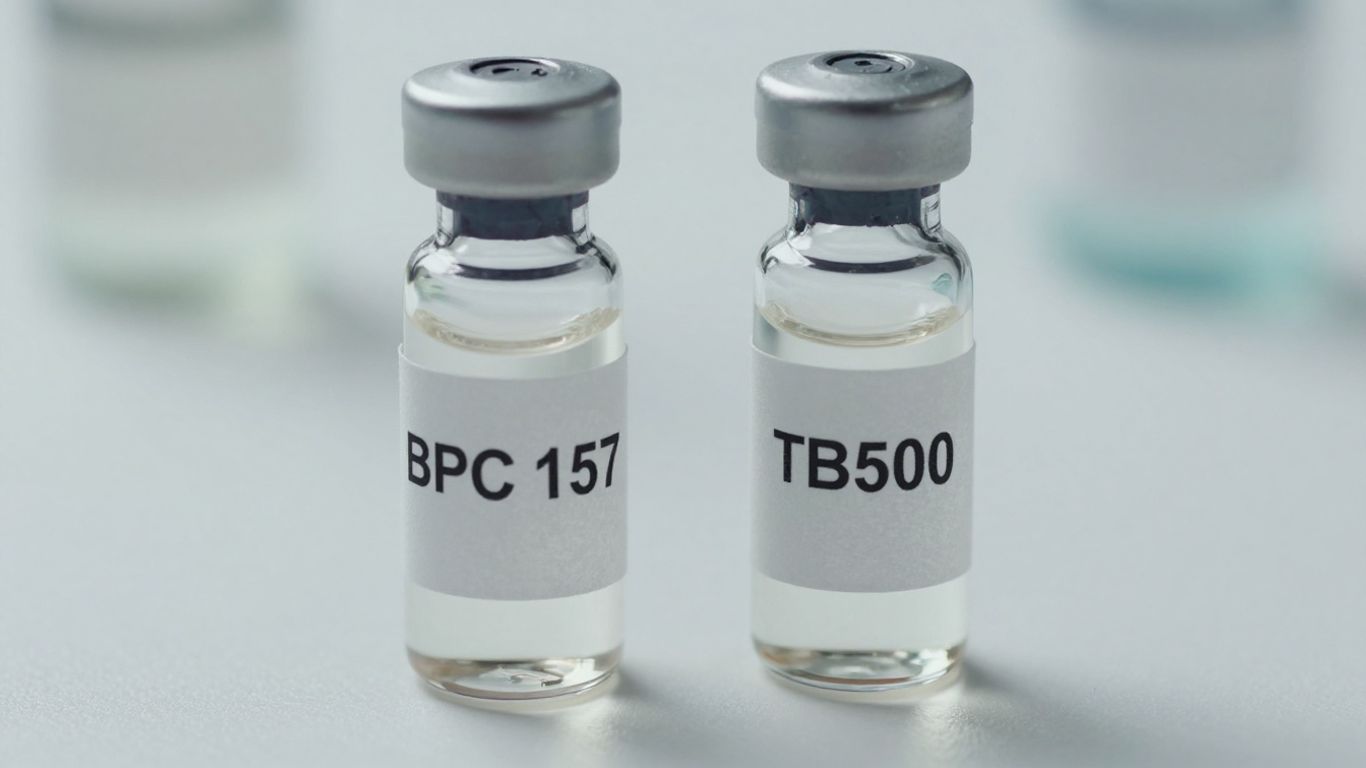
Using peptides like BPC-157 and TB-500 for recovery and healing is an area that’s getting a lot of attention. It’s exciting to think about new ways to help the body bounce back, but it’s also really important to approach this with care and good information. This isn’t like grabbing a supplement off the shelf; it requires a more thoughtful process.
The science behind these peptides is still developing. Most of what we know comes from studies on animals or in lab settings. While these early findings are promising, they don’t always translate directly to humans. It means we’re still learning about the full picture of how they work, what the best doses are, and what long-term effects might be.
It’s wise to remember that research is ongoing. What seems clear today might be refined or even changed as more studies come out. Staying informed about new findings is part of using these substances responsibly.
Getting your hands on peptides can be tricky. Because they aren’t approved for general use by major health organizations in many places, quality can vary a lot. Always seek out peptides from reputable sources, ideally compounding pharmacies that follow strict quality controls. This helps reduce the risk of getting something impure or incorrectly dosed.
Beyond just the source, talking to a healthcare professional is a big deal. They can help you figure out if peptides are even a good idea for your specific situation, considering your health history and any other treatments you’re using. They can also help you manage potential side effects and adjust your approach if needed.
For athletes or anyone pushing their physical limits, the appeal of faster recovery is strong. However, it’s vital to be aware of the rules in your sport. Many sports organizations have strict policies on performance-enhancing substances, and peptides can fall into this category. Using them without understanding these regulations could lead to serious consequences, like disqualification.
When using peptides, it’s important to be smart about it. Understanding how they work and how to use them safely is key. We’ve put together some helpful info to guide you. Want to learn more about using peptides the right way? Visit our website for all the details and resources you need.
So, we’ve talked a lot about BPC-157 and TB500, these two compounds that people are looking at for healing. It seems like TB500 is more of a general helper for your whole body’s repair work, especially with muscles and blood flow. BPC-157, on the other hand, seems to really focus on specific things like tendons, ligaments, and your gut. It’s important to remember that neither of these are approved by the FDA for people to use, and most of what we know comes from studies on animals or in labs. If you’re thinking about trying them, it’s a good idea to get them from a reliable source and definitely talk to a doctor first. Picking between them really depends on what you’re trying to fix. Need overall tissue healing? Maybe TB500. Focused on a specific joint or your stomach? BPC-157 might be the way to go. They show us how much science is changing when it comes to getting better after an injury, but always be smart and safe about it.
No, they are quite different. TB-500 is like a small piece of a protein called thymosin beta-4, which helps cells move around and repair things. BPC-157 comes from a protein found in stomach juice and is known for helping heal tissues like tendons and ligaments, as well as the gut.
Studies suggest BPC-157 is more helpful for healing tendons and ligaments. It seems to help blood vessels grow better in these areas and encourages the cells that build tissue to work harder.
TB-500 might be more useful for general muscle healing and recovery throughout the body. It helps cells move to where they are needed and supports the growth of new blood vessels, which is important for muscles.
BPC-157 has shown good results in protecting the stomach and helping it heal. It’s been studied for issues like ulcers and inflammation in the gut. TB-500 does not have this specific benefit for stomach health.
Some people use them together, hoping to get the broad healing effects of TB-500 and the targeted healing of BPC-157. However, it’s really important to talk to a doctor before combining them to make sure it’s safe and right for you.
Currently, neither TB-500 nor BPC-157 are approved by the FDA for use in people. Most of the information we have comes from studies on animals or in labs. They are often sold as research chemicals, and sports organizations may monitor their use.
 by
by