Best Peptides for Fat Loss Research 2026: A Comparative Guide
Why are 68% of metabolic studies still struggling to differentiate between simple appetite suppression and genuine cellular lipolysis? You’ve likely...
 Are you over 18 years old?
This website requires you to be 18 years or older to enter our website and see the content.
Are you over 18 years old?
This website requires you to be 18 years or older to enter our website and see the content.

In Australia, interest in peptides like BPC-157 and TB-500 for recovery and healing is growing. Many people are looking into these compounds, hoping they can help with injuries or other health issues. This guide aims to provide a clear look at what these peptides are, what the current research suggests, and what you should consider if you’re thinking about using them. We’ll cover the science, potential uses, and important safety information regarding bpc157 tb500 australia.
BPC-157, short for Body Protection Compound 157, is a synthetic peptide. It’s made up of 15 amino acids and is based on a protein found in stomach acid. Researchers first looked at it for its ability to help the digestive system heal and stay protected. Over the years, studies, mostly in animals, have shown it might also help with healing in tendons, muscles, bones, nerves, and blood vessels. TB-500 is another peptide that has gained attention. It’s a synthetic version of a naturally occurring protein called Thymosin Beta-4. This protein is involved in cell migration, repair, and inflammation control.
Peptides are essentially short chains of amino acids, the building blocks of proteins. They act as signaling molecules in the body, telling cells what to do. BPC-157 and TB-500 are thought to work by influencing various cellular processes. For instance, BPC-157 is believed to promote the healing of various tissues by increasing blood flow and supporting cell growth. TB-500, on the other hand, is thought to aid in tissue repair and reduce inflammation by affecting cell movement and differentiation. These signaling roles are key to their proposed therapeutic effects.
People are often drawn to peptide therapy for a variety of reasons, primarily related to recovery and regeneration. Athletes might look into these peptides to speed up recovery from injuries or improve performance. Individuals dealing with chronic pain or slow-healing wounds also explore peptide options. Some seek them for gastrointestinal issues or even for potential benefits in neurological health. The idea is to use these compounds to give the body a boost in its natural repair and healing processes, potentially leading to faster recovery times and improved overall function. Many are looking for ways to support their body’s natural healing capabilities, especially when conventional methods haven’t provided the desired results. You can find more information on BPC-157 and TB-500 and their potential uses.
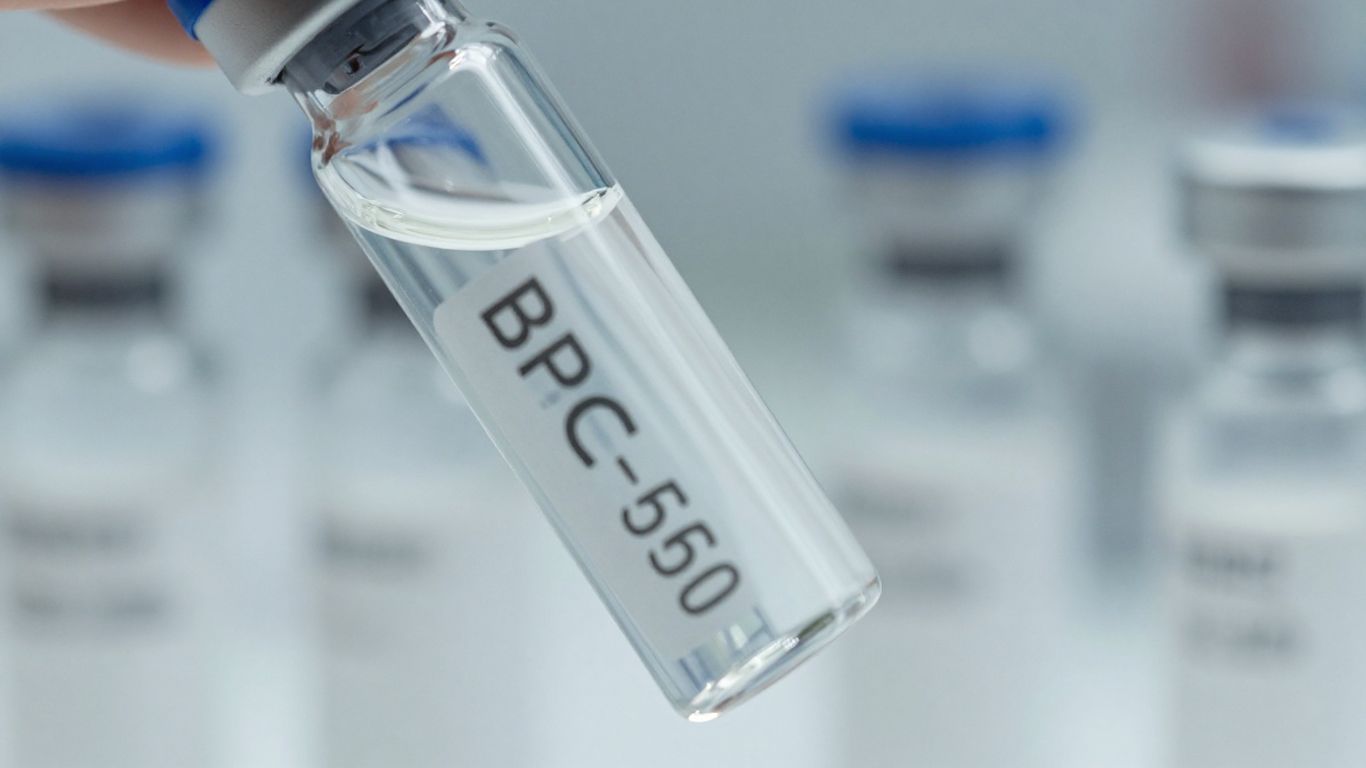
The bulk of the scientific investigation into BPC-157 has taken place in laboratory settings using animal models, primarily rodents. These studies have painted a promising picture regarding its potential to aid in healing and tissue repair across various systems. Researchers have observed accelerated recovery in tendons, ligaments, and muscles following injury in these models. Furthermore, BPC-157 has shown protective effects on the gastrointestinal tract, mitigating damage from things like NSAIDs and inflammatory conditions. There’s also evidence suggesting it could help protect nerves from injury and support bone healing.
The consistent findings across these preclinical studies suggest a broad therapeutic potential for BPC-157.
However, it’s really important to note what this research doesn’t tell us yet. We don’t have any large-scale human trials, like randomized controlled trials (RCTs), specifically for BPC-157. Information on how the human body absorbs, uses, and gets rid of it (pharmacokinetics) is pretty limited. We also don’t have clear guidelines on the best doses, how to administer it, or for how long, based on human studies. And, of course, we lack data on its long-term safety in people.
TB-500, a synthetic piece of Thymosin Beta-4 (T?4), has a slightly different research background. While much of the evidence is still preclinical, there have been some early human studies looking at the native T?4 peptide. For instance, Phase I and II trials have explored T?4 for heart repair after heart attacks, showing a good safety profile. There have also been clinical investigations into its use for wound healing, particularly for wounds that don’t heal easily and for dry eye conditions. Animal studies consistently show TB-500 can reduce inflammation, help new blood vessels grow, and encourage tissue regeneration. The native T?4 has also shown protective effects for the heart in animal models of heart problems.
It’s important to distinguish between TB-500 and its natural counterpart, T?4. While TB-500 is derived from T?4, it’s not identical. This means we can’t automatically assume that findings from human studies on T?4 directly apply to TB-500. More specific research on TB-500 itself is needed.
When looking at the research for both BPC-157 and TB-500, a few key limitations stand out. The most significant is the lack of robust human clinical trials for BPC-157. Most of what we know comes from animal studies, which don’t always translate directly to humans. For TB-500, while there’s some human data on the native peptide, applying it directly to the synthetic fragment needs caution.
Here’s a quick rundown of what’s missing:
People are looking into BPC-157 and TB-500 for a few key reasons, mostly tied to recovery and getting back to normal function. It’s not just about healing faster; it’s about addressing issues that haven’t responded well to other treatments. Think of it as exploring new avenues when the usual ones hit a dead end.
This is a big one. Many individuals turn to these peptides after experiencing injuries like torn ligaments, strained muscles, or chronic tendon issues. Post-surgery recovery is another common scenario where people seek help. Conditions such as Achilles tendinopathy, rotator cuff problems, or knee ligament damage are frequently mentioned. The idea is that these peptides might help speed up the body’s natural repair processes.
Athletes, both professional and amateur, are often interested in peptides for their potential to speed up recovery between training sessions and competitions. The goal here isn’t just to heal from injuries but also to reduce general muscle soreness and fatigue, allowing for more consistent and intense training. The hope is to get back to peak physical condition more quickly.
BPC-157, in particular, has shown promise in preclinical studies for its effects on the digestive system. People dealing with various gastrointestinal issues, from inflammation to more specific conditions, are exploring this peptide. The research suggests it might help protect the gut lining and reduce inflammation within the digestive tract.
While research is still in its early stages, there’s some interest in the potential neurological effects of these peptides. This includes areas like neuroprotection and mood regulation. However, this is a less explored area compared to tissue repair and gut health, and more studies are needed to understand these potential applications.
At Spectrum Healthcare, we take a careful, patient-focused approach to peptide therapy. If you’re thinking about using BPC-157 or TB-500, it’s really important to talk to a doctor first. This helps avoid potential problems down the line. Our process usually involves:
When considering peptide therapy, asking the right questions can help you make a more informed decision. Here are some points to discuss with your healthcare provider:
In Australia, BPC-157 and TB-500 are typically obtained through compounding pharmacies. It’s important to know that the quality, cleanliness, actual peptide amount, and overall purity can vary between different compounding labs. Products that aren’t prepared well can carry risks, such as contamination or incorrect dosages, which could lead to further health issues.
While BPC-157 and TB-500 show promise in early research, especially for healing and gut health, they aren’t approved by the TGA for general use. This means they should be approached with caution and only under the guidance of a qualified medical professional. The long-term safety data in humans is still limited, making it a key area for ongoing investigation and careful patient monitoring.
Both BPC-157 and TB-500 are known to promote processes like angiogenesis (the growth of new blood vessels) and cell proliferation. While these actions are thought to aid in healing and tissue repair, they are also mechanisms that can fuel the growth of existing tumors or pre-malignant cells. This means there’s a theoretical, though not yet proven in humans, risk that using these peptides, especially at high doses or for extended periods, could potentially stimulate the growth of cancerous cells. Individuals with a personal history of cancer or those who have a higher risk of developing it should exercise extreme caution and consult closely with their healthcare provider before considering peptide therapy.
BPC-157 has been observed to interact with certain neurotransmitter systems, including dopaminergic and serotonergic pathways. Long-term or frequent changes to these systems could potentially affect how hormones are regulated, influencing mood and overall neurological function. The full impact of continuous use on the body’s endocrine system hasn’t been thoroughly studied.
TB-500 plays a role in how immune cells move and function. While its anti-inflammatory effects might be beneficial in the short term, its long-term influence on immune regulation, particularly for individuals with autoimmune conditions, requires careful observation. There’s also a question of whether introducing external peptides might cause the body to reduce its own natural production of similar compounds, a phenomenon seen with some hormone therapies, though this is not yet confirmed for BPC-157 or TB-500.
Given that these peptides can affect blood vessel function, inflammation, and neurological pathways, there’s a possibility of interactions with other medications. This could include blood thinners, non-steroidal anti-inflammatory drugs (NSAIDs), medications that suppress the immune system, and certain psychiatric drugs. However, these potential interactions are largely unexplored, and caution is advised when using them alongside other pharmaceutical treatments.
In Australia, these peptides are typically obtained through compounding pharmacies. The quality, sterility, exact concentration, and overall purity of products from compounding pharmacies can vary. Products that are not prepared to high standards carry risks of contamination, incorrect dosing, and other complications that could arise from impurities or inadequate manufacturing processes.
The lack of extensive, long-term human trials means that the complete picture of potential side effects and risks is still developing. What might be rare, delayed, or cumulative in its effects may not have been identified yet. This uncertainty is a significant factor for anyone considering these therapies.
In Australia, neither BPC-157 nor TB-500 have received approval from the Therapeutic Goods Administration (TGA) for general medical use. This means they are not listed on the Australian Register of Therapeutic Goods (ARTG) as approved medicines. Their availability in Australia typically comes through compounding pharmacies, where a doctor can prescribe them for individual patients under specific circumstances. This practice operates within a framework that allows for the preparation of custom medications when approved alternatives are not suitable or available, but it does not equate to TGA endorsement of the peptides themselves for widespread therapeutic application.
For athletes involved in regulated sports, understanding the World Anti-Doping Agency (WADA) Prohibited List is really important. TB-500, also known as Thymosin Beta-4, is explicitly listed as a prohibited substance. This means its use by athletes subject to WADA testing is banned, both in and out of competition. Athletes found to have used TB-500 could face significant sanctions, including bans from their sport. BPC-157 is not currently on the WADA Prohibited List, but the landscape of banned substances can change. Athletes should always verify the current status and consult with sports governing bodies or anti-doping experts before considering any peptide therapy.
It’s vital to recognize that both BPC-157 and TB-500 are considered unapproved substances by major regulatory bodies like the TGA in Australia and the FDA in the United States. This classification carries significant implications. It means that the rigorous testing for safety, efficacy, and quality that approved drugs undergo has not been completed for these peptides. When you obtain these substances, especially from sources that aren’t regulated compounding pharmacies operating under a doctor’s prescription, there’s a risk associated with their purity, concentration, and potential contaminants.
The lack of formal approval means that the long-term effects and potential risks of using BPC-157 and TB-500 are not fully understood. Patients and practitioners must proceed with caution, acknowledging the experimental nature of these therapies and the absence of established clinical guidelines.
Here’s a summary of their status:
This regulatory gray area underscores the importance of working with qualified healthcare professionals who understand these limitations and can guide you through the process responsibly.
Curious about the rules for BPC-157 and TB-500? Understanding the legal side of these compounds is important. We break down the current regulations in simple terms so you can stay informed. Want to learn more about what’s allowed and what’s not? Visit our website for the full details and to explore our products.
So, we’ve talked a lot about BPC-157 and TB-500, looking at what the research says and what people are hoping these peptides can do. It’s clear there’s a lot of interest, especially for recovery and healing. The early studies, mostly in animals, show some really promising signs for tissue repair and reducing inflammation. But, and this is a big ‘but’, we’re still missing a lot of solid human data. We don’t fully know the long-term effects or all the potential risks, like how they might interact with other things in the body or the quality control issues with compounded versions. It’s important to remember these aren’t approved treatments here in Australia, and you should always chat with a doctor before considering them. While the science is exciting, a cautious approach is definitely the way to go right now.
Think of BPC-157 as a special compound made from a part of a protein found in your stomach juice. It’s designed to help protect and heal your body. TB-500 is like a smaller, lab-made version of a natural body protein called Thymosin Beta-4, which is really important for helping cells move around and fix damaged tissues.
Many people are looking into BPC-157 and TB-500 because they hope these peptides can help them recover faster from injuries, like torn muscles or damaged tendons. Some athletes also use them to try and improve their performance and bounce back quicker after tough workouts. Others are interested in them for gut health or even for issues related to the brain and mood.
Most of the research done so far has been on animals, not humans. While these studies show promising results for healing and reducing inflammation, there aren’t many large-scale studies on people. This means we don’t have all the answers about how well they work or how safe they are for humans in the long run.
No, they are not. In Australia, the TGA (Therapeutic Goods Administration) has not approved BPC-157 or TB-500 for general medical treatment. This means they are considered experimental, and you can usually only get them through special compounding pharmacies when prescribed by a doctor.
Because these peptides can make cells grow and move, there’s a theoretical worry they might encourage the growth of cancer cells if they already exist. There are also concerns about how they might affect your hormones and immune system over time. Plus, getting these from compounding pharmacies means there’s a risk of the product not being pure or having the right amount.
It’s smart to ask your doctor if there’s solid proof for your specific health issue, not just from animal studies. You should also ask how they plan to check if it’s working and if it’s safe for you, what other options are available, and if you have any health conditions that might make using these peptides risky.
 by
by