Best Peptides for Fat Loss Research 2026: A Comparative Guide
Why are 68% of metabolic studies still struggling to differentiate between simple appetite suppression and genuine cellular lipolysis? You’ve likely...
 Are you over 18 years old?
This website requires you to be 18 years or older to enter our website and see the content.
Are you over 18 years old?
This website requires you to be 18 years or older to enter our website and see the content.

The use of peptides like BPC-157 and TB-500 is becoming more common in Australia, with many people turning to them for supposed healing and recovery benefits. This guide looks into what these peptides are, why people are interested in them, and the important things to consider before thinking about using them here in Australia. We’ll cover the science, the risks, and what the rules are.
Lately, there’s been a lot of talk about peptides, and Australia is no exception. People are increasingly looking into these compounds, like BPC-157 and TB-500, hoping for benefits related to healing and recovery. It seems like everywhere you turn, someone is discussing their potential. This growing interest isn’t just a fleeting trend; it reflects a broader search for advanced solutions to health and wellness challenges. However, it’s important to remember that many of these peptides are not approved for human use by regulatory bodies. This means that while the conversation is lively, the scientific backing and safety data for widespread use are still developing.
When it comes to getting your hands on BPC-157 and TB-500 in Australia, things can get a bit complicated. Because these substances aren’t approved medicines, their availability operates in a bit of a gray area. You won’t find them on the shelves of your local pharmacy like you would with over-the-counter medications. Instead, people often turn to compounding pharmacies or online sources. This situation means that individuals need to be extra careful about where they source these peptides. The lack of official approval means there’s less oversight on quality and purity, which can be a real concern. It’s a bit like trying to find a specific item in a vast marketplace where not all vendors are equally trustworthy. Many individuals are using unregulated peptides for health benefits, despite warnings from experts who liken users to “lab rats” due to the unknown risks associated with these substances [6553].
So, what’s the big deal with BPC-157 and TB-500? The interest stems from their proposed roles in the body’s natural repair processes. BPC-157, a synthetic peptide derived from a protein found in stomach acid, is often discussed for its potential to aid in healing various tissues, from gut lining to muscle and bone. TB-500, on the other hand, is a synthetic version of a naturally occurring protein called Thymosin Beta-4, which is known to play a part in cell migration, tissue repair, and reducing inflammation. People are drawn to them because they sound like they could offer a way to speed up recovery from injuries or improve conditions that are slow to heal. The idea of tapping into the body’s own repair mechanisms is appealing, but it’s crucial to approach these possibilities with a balanced perspective, considering both the potential benefits and the significant unknowns.
The allure of peptides like BPC-157 and TB-500 lies in their promise to accelerate healing and recovery. However, the current landscape in Australia, as in many parts of the world, is marked by a lack of regulatory approval and robust human safety data. This creates a challenging environment for individuals seeking these compounds, necessitating a cautious and informed approach.
Here’s a quick look at what makes them stand out:
The booming trade in illegal peptides, including unapproved substances like BPC-157 and retatrutide, poses a significant health concern. These peptides are often classified under Schedule 4, indicating they require a prescription. Doctors are exploring solutions to address this growing problem and the associated risks to public health [900d].
BPC-157 is a lab-made peptide, meaning it’s a short chain of amino acids. It was first found in stomach juices, which is pretty wild. Researchers noticed it had some pretty impressive healing abilities in animal studies. Think faster wound closure, better tendon repair, and even protection for organs. It seems to work by kicking certain cellular pathways into gear. One of these is the FAK-paxillin pathway, which is important for how cells stick to things and move around. When cells can move better into damaged areas, they can start rebuilding. This is why it’s seen as a potential regenerative compound. The idea is that it helps the body’s natural repair processes work more efficiently. However, there’s a catch: these same pathways are also involved in how cancer cells spread.
TB-500 is essentially a synthetic version of a natural protein called Thymosin Beta-4. This protein is found in pretty much all our cells and plays a big role in healing and development. It’s known for its ability to promote cell migration, which is key for repairing damaged tissues. It also helps reduce inflammation and can encourage the growth of new blood vessels, a process called angiogenesis. This is important because new blood vessels bring oxygen and nutrients to injured areas, helping them heal. TB-500 is thought to mimic these beneficial effects of natural Thymosin Beta-4, potentially speeding up recovery from injuries.
Both BPC-157 and TB-500 seem to work by influencing cellular processes related to repair and regeneration. BPC-157, as mentioned, activates pathways like FAK-paxillin, encouraging cells to move to injury sites and start rebuilding. It also appears to influence nitric oxide signaling, which is important for blood flow and healing. TB-500, on the other hand, acts more broadly to promote cell migration and reduce inflammation. It’s thought to help organize cellular activity during the healing process. The combined effect, in theory, could lead to faster and more complete recovery from various types of tissue damage.
Here’s a simplified look at their proposed actions:
The proposed mechanisms suggest these peptides could significantly impact the body’s ability to heal. By influencing fundamental cellular processes, they aim to accelerate recovery and improve tissue function. However, the complexity of these biological pathways means that unintended consequences are a concern that needs careful consideration.
While the science behind these peptides is intriguing, it’s mostly based on animal studies and theoretical models. The actual effects in humans, and especially the long-term outcomes, are still largely unknown. This is where the caution comes in, as we’ll discuss later. For now, understanding these proposed mechanisms is the first step in looking at BPC-157 and TB-500’s potential.
When we talk about BPC-157 and TB-500, it’s really important to pump the brakes and look at what we actually know, or more accurately, what we don’t know. The excitement around these peptides is understandable, especially with claims of accelerated healing, but the safety side of the story is still very much a work in progress. The biggest red flag is the sheer lack of robust human safety data.
Most of what we hear about BPC-157’s safety comes from animal studies or anecdotal reports from individuals using it. While these can be interesting, they don’t translate directly to human physiology. We’re talking about a substance that hasn’t undergone the rigorous, large-scale clinical trials that are standard for any drug intended for human use. This means we don’t have a clear picture of potential side effects, how the body metabolizes it over time, or what happens with prolonged use. It’s a bit like trying to build a house without a solid foundation – you just don’t know how stable it will be.
One of the more concerning areas of discussion revolves around BPC-157’s potential interaction with cancer pathways. Some research suggests that the very mechanisms that might promote healing – like stimulating cell growth and migration – could also, in theory, fuel the growth of existing, undetected cancer cells. Think of it like turning on a growth switch; it helps repair, but it might also help something unwanted grow faster. This is a serious consideration, especially for individuals with a history of cancer or those at higher risk. The Therapeutic Goods Administration (TGA) has even issued warnings about the dangers of unregulated peptides, highlighting the risks associated with substances that haven’t been properly vetted for human use.
Beyond immediate safety concerns, the long-term implications of using BPC-157 and TB-500 are largely a mystery. What happens after months or years of consistent use? Could there be subtle, cumulative effects on organ function, the immune system, or even reproductive health? We simply don’t have the data to answer these questions. The scientific literature is sparse, and much of what exists has methodological weaknesses or comes from sources with a vested interest in promoting the peptides. It’s a bit of a gamble, and the stakes are your health.
The current landscape for these peptides is akin to venturing into uncharted territory. While the potential benefits are alluring, the absence of comprehensive safety profiles and the theoretical links to serious health issues like cancer necessitate extreme caution. Until rigorous, independent human trials are conducted, any use should be viewed with skepticism, prioritizing established medical practices over unproven therapies.
Here’s a look at some of the unknowns:
Given these uncertainties, approaching BPC-157 and TB-500 requires a significant degree of personal risk assessment, and ideally, consultation with healthcare professionals who are well-versed in the limitations of current research on these research peptides.
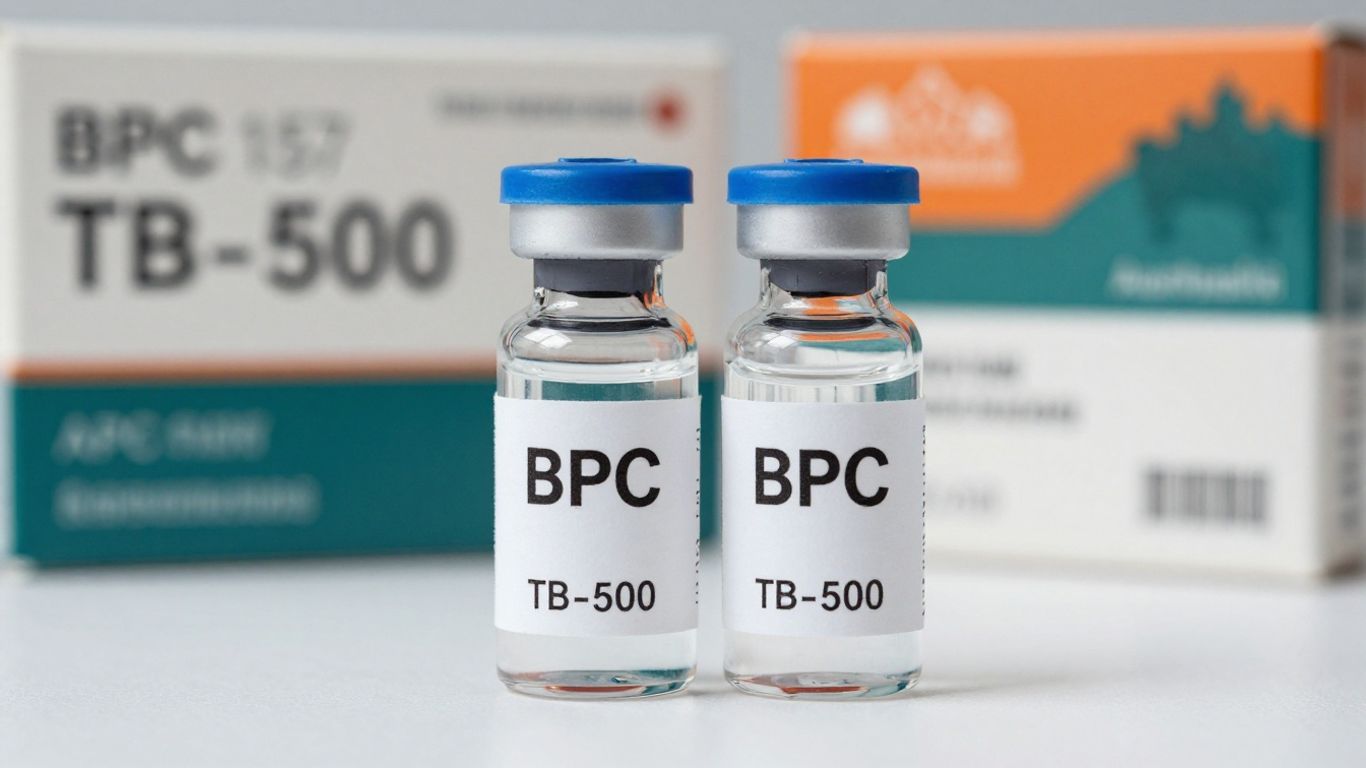
When it comes to BPC-157 and TB-500 in Australia, things get a bit complicated. These aren’t your typical over-the-counter supplements or prescription medications. Their status is largely unapproved by the main health regulators, which significantly impacts how and where you can get them.
In Australia, the Therapeutic Goods Administration (TGA) is the body that oversees medicines and therapeutic goods. Neither BPC-157 nor TB-500 are listed on the Australian Register of Therapeutic Goods (ARTG) for general therapeutic use. This means they haven’t gone through the rigorous testing and approval process that approved drugs do. The TGA has even issued warnings about unapproved peptide products, highlighting concerns about safety and the lack of proper evaluation [92fb].
This lack of approval means that sourcing these peptides can be challenging and comes with inherent risks. You won’t find them in your local pharmacy or health food store. Instead, individuals often turn to alternative avenues, which we’ll discuss next.
Compounding pharmacies play a unique role in the availability of substances like BPC-157 and TB-500. These specialized pharmacies can create custom medications based on a doctor’s prescription. For unapproved substances, a doctor might
When considering BPC-157 or TB-500, it’s really important to think about what informed consent actually means. Doctors have a duty to explain treatments, and that includes any risks, benefits, and what other options might be available. With peptides like BPC-157, which aren’t approved by regulatory bodies for general use, this becomes tricky. You have the right to know if a substance is experimental and what the known (and unknown) risks are. It’s not enough for a doctor to just say it might help; they need to be upfront about the lack of extensive human safety data and the potential for unknown long-term effects. If you’re not getting clear answers or feel pressured, it’s okay to seek a second opinion or decline the treatment. Remember, you’re not just a patient; you’re a person with rights regarding your own body and health decisions.
Physicians are bound by a code of ethics, often summarized as “first, do no harm.” This means they should only recommend treatments that have a solid basis in scientific evidence or, at the very least, a reasonable expectation that the benefits outweigh the risks. Prescribing unapproved substances like BPC-157 outside of a formal clinical trial can put doctors in a difficult position. It’s essentially experimenting on patients without the oversight that comes with research protocols. Some medical boards are watching these practices closely, and disciplinary actions have occurred when doctors have been found to prescribe these substances without proper justification or patient monitoring. This can lead to serious consequences for the physician’s license and career.
Using substances that haven’t gone through rigorous testing and approval processes carries significant risks. For BPC-157, this means you might not know exactly what you’re getting. The purity and dosage can be inconsistent, and there’s a chance of contamination, which could lead to infections or other adverse reactions, especially if administered by injection. The long-term health consequences are also largely unknown. While some sources might claim these peptides are safe, this often comes from those who sell them, not from independent, peer-reviewed research. It’s a gamble with your health, and the potential downsides could far outweigh any perceived benefits.
The landscape for unapproved substances is complex. While some may be available through compounding pharmacies, their legal status can be uncertain, and quality control is a major concern. Patients should be aware that obtaining these substances often means bypassing standard regulatory checks, which are in place to protect public health.
The scientific backing for BPC-157 and TB-500, especially in humans, is pretty thin. Most of what we hear about their amazing healing powers comes from animal studies or anecdotal reports. It’s really important to remember that results in animals don’t always translate to people. We’re talking about a lot of hype that seems to be running ahead of solid proof. The claims of tissue regeneration and inflammation reduction are mostly based on lab work, and there’s just not enough data to say for sure if they work safely in humans. This lack of robust human evidence is a major hurdle when considering these peptides for therapeutic use.
When we look at animal studies for BPC-157, they often show promise in areas like wound healing and protecting organs. For example, some research suggests it might speed up the healing of gut injuries or help with bone repair in rodents. TB-500, related to Thymosin Beta-4, has also shown potential in animal models for promoting cell migration and tissue repair. However, these studies are typically done in controlled lab settings with specific dosages and animal subjects. We can’t just assume that what works in a rat or a rabbit will do the same for a human body, which is far more complex. It’s a starting point, sure, but it’s a long way from a proven treatment.
This is where things get really sparse. There haven’t been many formal clinical trials involving humans for either BPC-157 or TB-500. The few that have been reported are often small, lack proper control groups, or have potential conflicts of interest because they were conducted by clinics selling the peptides. For instance, one frequently mentioned report on knee pain involved just 12 patients, and the results were based on follow-up phone calls asking about pain levels, not objective measurements. Another pilot study on bladder pain had all patients knowing they were receiving the peptide, making it hard to rule out a placebo effect. The absence of large-scale, independent, and peer-reviewed human trials means we simply don’t have reliable data on their safety or effectiveness. Until more rigorous studies are completed, using these peptides remains largely experimental.
The promise of rapid healing and recovery is appealing, but the current scientific literature doesn’t provide the necessary validation for widespread human use. We need more independent research to understand the true effects and potential risks.
When looking at the facts, what do the studies really say? We’ve gathered the latest research to help you understand the findings. Want to dive deeper into the evidence? Visit our website for a full breakdown of the studies and what they mean for you.
So, after looking into BPC-157 and TB-500, it’s pretty clear they’re not your everyday over-the-counter remedies. While the idea of faster healing is super appealing, especially for athletes or anyone dealing with injuries, the science just isn’t there yet. We’re talking about a lack of solid human studies, and some real concerns about safety, particularly when it comes to cancer. Plus, the legal side of things has gotten pretty complicated, with agencies like the FDA cracking down. It seems like getting these peptides means going through less regulated channels, which adds another layer of risk. For now, it looks like the safest bet is to stick with treatments that have been properly tested and approved. It’s always better to be safe than sorry, right?
BPC-157 is a lab-made substance that comes from a protein found in stomach juice. People think it helps heal injuries, especially to muscles and tendons, and can help with gut problems. TB-500 is related to a natural substance called Thymosin Beta-4, which is also thought to help with healing and tissue repair.
No, these substances are not approved for use in Australia by any official health group. This means they haven’t gone through the strict testing required to prove they are safe and effective for people to use.
The biggest worry is that we don’t have enough solid proof from studies on people to know if they are safe. Some early research suggests they might affect pathways in the body that could potentially help cancer grow or spread. We just don’t know the long-term effects.
In the past, some people got them from special pharmacies called compounding pharmacies, often with a doctor’s note. However, health authorities are cracking down, and these substances are now mostly found through less regulated channels, like online sellers who label them for ‘research use only’.
Most of the positive results come from studies on animals or small, informal studies on people done by clinics that might sell the peptides. These studies often have problems, like not having a comparison group or being influenced by the researchers’ own interests. There’s a lack of large, independent studies.
Doctors have a duty to ‘do no harm,’ and using unapproved substances with unknown risks goes against this. Prescribing or using BPC-157 and TB-500 can have legal consequences and may not be covered by insurance. Patients should be well-informed about the lack of proof and potential dangers before considering these substances.
 by
by