Best Peptides for Fat Loss Research 2026: A Comparative Guide
Why are 68% of metabolic studies still struggling to differentiate between simple appetite suppression and genuine cellular lipolysis? You’ve likely...
 Are you over 18 years old?
This website requires you to be 18 years or older to enter our website and see the content.
Are you over 18 years old?
This website requires you to be 18 years or older to enter our website and see the content.

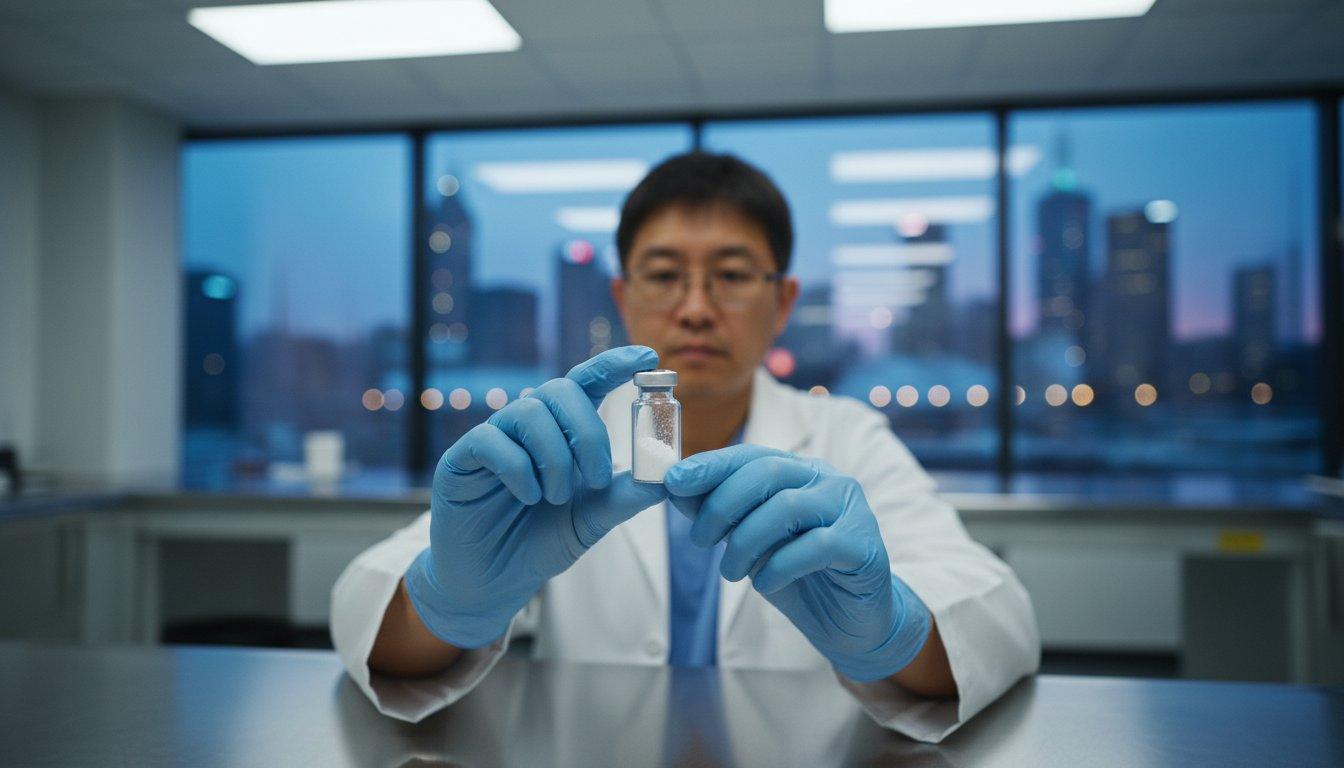
What if the success of your next tissue repair study rests entirely on a single HPLC verification report? You likely know that in the Australian biotechnology sector, your data is only as reliable as the purity of your compounds. It’s often difficult to distinguish between genuine research-grade **peptides** and the consumer products flooding the market, especially when 98% purity is the minimum standard required for reproducible results. We understand the pressure of maintaining integrity in your work while managing complex local regulations and temperature-sensitive shipping requirements across our vast states.
This guide empowers you to master the fundamental science and quality standards required for excellence within the 2026 Australian biotech sector. You’ll gain a clear understanding of molecular structures and specific applications for metabolic studies, ensuring your laboratory maintains the highest level of choice and control over its outcomes. We will walk through the essential steps for sourcing verified supplies and meeting the latest Australian storage requirements to ensure your research journey stays on a steady path toward breakthrough results.
Peptides are the quiet messengers of the biological world. They consist of short chains of amino acids held together by peptide bonds. In your laboratory work, you’ll see how these molecules act as precise keys, unlocking specific cellular responses. By 2026, synthetic production methods in Australia have reached a 99% purity standard, making these molecules indispensable for targeted research. You can find them occurring naturally in the body or created through meticulous laboratory synthesis to mimic or block biological functions.
The journey of understanding these molecules starts with their role as signalling agents. Unlike larger structures, peptides travel through the body with agility, delivering instructions to cells to initiate processes like tissue repair or hormone regulation. Australian research institutions, such as those funded by the NHMRC, increasingly focus on these molecules because of their high specificity and low toxicity profiles. They offer a pathway to understand complex diseases without the heavy molecular baggage of larger compounds.
The sequence of amino acids is what gives a molecule its unique voice. Each specific arrangement determines how it interacts with receptors. This affinity is vital for your research outcomes. The stability of these molecules often depends on the C-terminus and N-terminus; these are the ends of the chain. Australian researchers often modify these ends to extend the half-life of a molecule, ensuring it lasts long enough to provide meaningful data during trials. A single change in the sequence can completely alter the biological effect, which is why precision in synthesis is your greatest ally.
Size is the primary factor that separates these two categories. A peptide is a sequence of 2 to 50 amino acids that triggers specific biological responses. Once a chain exceeds this 50-unit threshold, it’s generally classified as a protein. Proteins also fold into complex three-dimensional shapes, while smaller chains remain relatively simple. This smaller molecular weight is a distinct advantage for your laboratory. It allows for better tissue penetration and easier synthesis. Because they are smaller, peptides are often less likely to trigger an unwanted immune response in research models compared to larger, more complex proteins. This makes them a safer, more predictable choice for your experimental designs as you work toward new breakthroughs.
Biological systems rely on peptides to act as precise chemical messengers that facilitate communication between distant organ systems. These short chains of amino acids function as ligands, binding to specific cellular receptors to initiate a biological response. This interaction follows a lock and key mechanism, where the peptide’s three dimensional structure must perfectly align with the receptor’s binding site. In 2025, Australian research trials demonstrated that even a single amino acid substitution can alter binding affinity by over 80%, highlighting the need for extreme precision in laboratory synthesis.
Synthetic variants are frequently engineered to either mimic or antagonise natural hormones. By modifying the molecular structure, researchers can create agonists that amplify a natural signal or antagonists that block a receptor to prevent a specific pathway from activating. This level of control is vital when studying endocrine signalling, as it allows for the isolated observation of metabolic processes without the interference of endogenous feedback loops. If you’re looking for a reliable hand to guide you through complex systems, finding the right support coordination ensures you stay focused on your primary goals while navigating these intricate paths.
Molecular shape dictates the success of receptor binding. High affinity agents are designed to latch onto target sites with minimal off-target effects, reducing the risk of unintended biological interactions. Current 2026 laboratory standards prioritise selective peptides because they offer clearer data during clinical observations. Non-selective agents, while useful for broad metabolic surveys, often lack the surgical precision required for advanced regenerative studies. Achieving this specificity requires rigorous testing of molecular folding patterns to ensure the ligand fits the target receptor perfectly.
Peptides play a central role in regulating growth hormone secretion and accelerating tissue repair. Researchers often focus on how these molecules influence insulin sensitivity and lipid metabolism to combat metabolic disorders. A significant challenge in these studies is the enzymatic degradation of the compounds. Natural variants often possess a half-life of less than 15 minutes because proteases in the blood quickly break them down. To counter this, Australian laboratories utilise chemical modifications like PEGylation or D-amino acid substitution. These techniques can extend a peptide’s presence in the system to over 12 hours, providing a more stable window for observing regenerative outcomes and cellular recovery.

Research into peptides across Australia has transitioned from niche biochemical studies to foundational pillars of regenerative and metabolic science. By 2026, local laboratories are increasingly focusing on how these amino acid chains can influence complex biological pathways to improve recovery and health outcomes. This shift reflects a growing commitment to understanding cellular repair mechanisms that align with our goal of supporting long-term wellbeing and physical independence.
Australian researchers are prioritising BPC-157 for its documented role in gastric and musculoskeletal repair. Studies often explore its ability to accelerate the healing of transected tendons and ligaments, which is vital for sports medicine models. For a deeper look at specific data, you can explore our BPC-157 Research Guide. Parallel research into TB-500 examines its influence on actin polymerisation and cell migration. This peptide is a key focus in 2026 for its potential to promote angiogenesis, helping to restore blood flow to damaged tissues in clinical models. These investigations provide a hopeful path forward for those recovering from significant injuries.
Metabolic health remains a primary concern for the scientific community, with Retatrutide emerging as a focal point for triple-agonist research in Australian labs. Unlike previous generations of treatments, Retatrutide targets a synergy between GIP, GLP-1, and Glucagon receptors. This three-pronged approach is being studied for its ability to increase energy expenditure while suppressing appetite. Our Retatrutide 2026 Guide provides specific compound data for those investigating these metabolic pathways. Laboratories are currently measuring a 20 percent or greater reduction in body mass within specific animal models using these protocols, offering insights that could one day empower individuals to manage their health more effectively.
Dermatological research is also evolving rapidly. Labs use GHK-Cu to study collagen synthesis and Melanotan II for its role in melanin production and photoprotection. These compounds are essential for understanding skin repair and cellular ageing. Additionally, growth hormone secretagogues like Ipamorelin are being integrated into muscle growth and recovery models. These studies focus on stimulating the pituitary gland to release natural growth hormone without the harsh peaks associated with traditional interventions. This creates a more stable environment for cellular development and recovery, reflecting a steady, supportive approach to physical rehabilitation.
Achieving 99% purity isn’t just a goal; it’s the benchmark for credible Australian research. When working with peptides, even a 1% deviation can introduce experimental variables that compromise months of laboratory work. High-Performance Liquid Chromatography (HPLC) acts as your primary safeguard, separating the target compound from synthesis byproducts. While HPLC measures how much of the substance is pure, Mass Spectrometry (MS) confirms the molecular weight matches the theoretical value. Without this dual verification, researchers risk “salt” interference. In some instances, residual trifluoroacetic acid (TFA) can account for up to 20% of the total mass, leading to inaccurate dosing calculations and skewed data sets.
A purity report features a central peak representing your compound. Any secondary peaks, often called “noise,” indicate impurities that could interact unpredictably with your biological assays. We recommend third-party verification from independent labs to ensure results are unbiased and transparent. HPLC testing ensures the chemical sequence matches the intended research compound without significant degradation. This level of clarity empowers you to make decisions based on facts rather than assumptions, ensuring your project stays on track.
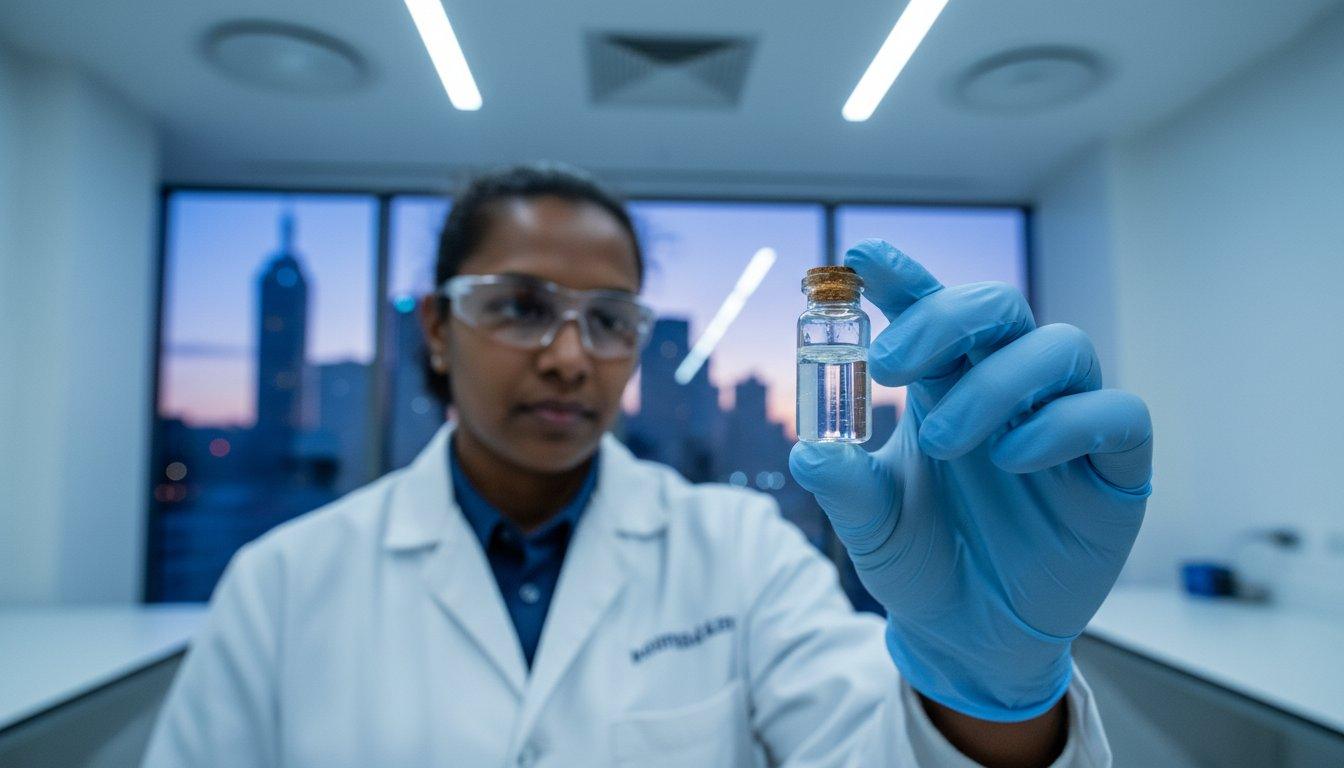
Stability begins with lyophilisation, a process that removes moisture through sublimation. By freeze-drying peptides and vacuum sealing them in borosilicate glass vials, we protect the delicate amide bonds from hydrolysis. This is vital in the Australian climate, where humidity and temperatures often exceed 35°C during summer transit. Maintaining a stable environment at a vacuum pressure of 0.05 mbar prevents oxidation. It ensures your research materials arrive with their biological activity fully intact, regardless of the distance they travel.
Reliability is the foundation of every breakthrough. You deserve a partner who understands the weight of your work and provides the transparency needed to succeed. Build trust in your research journey by choosing verified quality peptides that meet the highest Australian standards.
Navigating the evolving 2026 regulatory framework in Australia requires a partner who understands the nuances of laboratory compliance. As the Therapeutic Goods Administration (TGA) continues to refine standards for research compounds, maintaining rigorous documentation and secure handling is essential for any successful study. We view this process as a collaborative journey where your research goals take centre stage. Our team acts as a steady hand, ensuring that every vial meets the highest safety and quality benchmarks required by the Australian scientific community.
Your research depends on the structural integrity of your peptides. When you’re ready to begin, choosing the right solvent is your first step toward success. Bacteriostatic water is the gold standard for multi-use vials because it contains 0.9% benzyl alcohol. This addition inhibits bacterial growth for up to 28 days, providing a safety net that standard sterile water simply can’t offer. It’s a simple choice that protects your work and ensures the longevity of your samples.
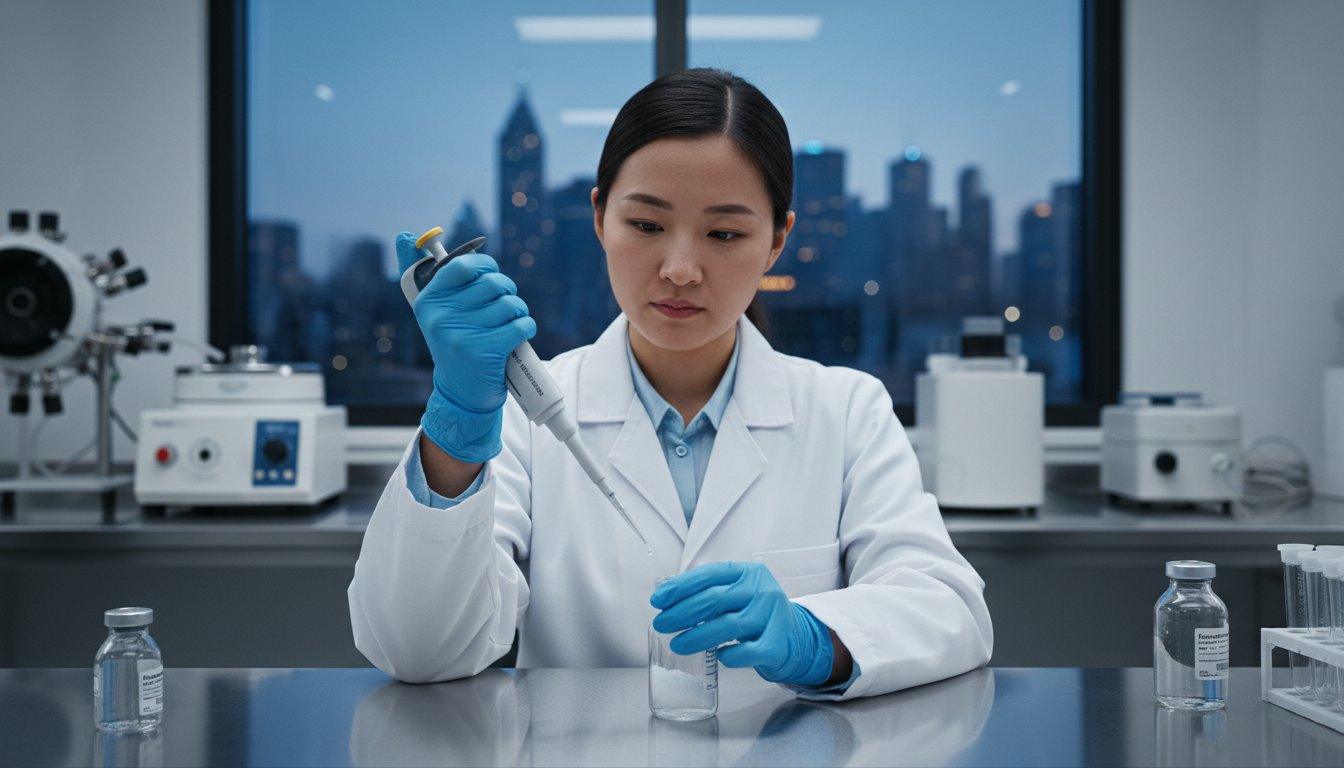
Gentleness is key during the mixing phase. You should never shake a vial. These molecules are held together by delicate peptide bonds that mechanical stress can easily disrupt. Instead, let the water trail down the side of the glass and swirl the vial with a soft, circular motion. For a detailed walkthrough, you can follow our Peptide Reconstitution Guide to ensure your samples remain viable for the duration of your study.
Correct storage preserves your investment. Lyophilised powders are remarkably stable. You can store them in a standard laboratory refrigerator at 2 to 8 degrees Celsius for short-term use. For long-term preservation exceeding 180 days, we recommend a deep-freeze environment at -20 degrees Celsius. Once you’ve reconstituted the powder, you must keep the solution refrigerated and use it within the timeframe supported by your specific protocol. This attention to detail reflects the integrity of your laboratory practices.
We’re dedicated to being the approachable ally that supports your laboratory’s progress. Every batch we supply undergoes HPLC (High-Performance Liquid Chromatography) verification to confirm a purity level of at least 98%. This transparency builds the trust you need to focus on your findings rather than your supplies. Our logistics network features dedicated hubs in Melbourne and Sydney, which allows us to offer express shipping across Australia. Most labs receive their orders within 24 to 48 hours, ensuring your workflow remains uninterrupted and your research stays on track. We invite you to explore our catalogue of high-purity research peptides at Peak Haven and experience a partnership built on empowerment and excellence.
Your research journey in 2026 depends on the absolute integrity of your molecular foundations. As Australian laboratories push the boundaries of biological science, the role of high-quality research compounds becomes even more critical for achieving reproducible results. We understand the pressure of maintaining rigorous standards; that’s why focusing on third-party HPLC testing is vital. This specific verification process ensures your materials exceed >99% purity levels, protecting your precious data from the hidden variables of low-grade compounds. Navigating the complex logistics of sourcing shouldn’t be a burden on your team’s energy or resources. By choosing local Australian supply chains, you gain access to fast Australia-wide express shipping that keeps your projects moving forward without delay.
We’re here to act as your dedicated ally, providing the steady support and professional reliability you need to reach your next scientific milestone. Our team simplifies the entire procurement process by offering secure credit card and cryptocurrency payment options. We believe every researcher deserves a clear path to success, and we’re ready to help you take that collaborative step toward a breakthrough.
Secure Your High-Purity Research peptides from Peak Haven
Your goals are within reach, and we’re honoured to support your commitment to excellence in the lab.
Yes, peptides are legal for legitimate laboratory research in Australia under the Therapeutic Goods Act 1989. You must ensure your facility holds the necessary permits if handling substances listed under Schedule 4 of the Poisons Standard. In 2024, the TGA clarified that these compounds are strictly for in-vitro or animal studies. We’re here to help you navigate these regulations so your research journey remains compliant and successful.
Peptides are short chains of amino acids, usually between 2 and 50 units, that signal specific cellular functions. SARMs are synthetic ligands that bind to androgen receptors to mimic testosterone. While both are used in research, they follow different chemical pathways and regulatory categories. Our team understands that choosing between these tools is a vital step in your laboratory’s path toward new discoveries.
You should store lyophilized peptides in a freezer at -20°C for short-term use or -80°C for long-term stability. Keeping them away from light and moisture prevents degradation of the delicate amino acid bonds. We recommend using a dedicated medical-grade freezer to maintain a constant temperature. This careful stewardship ensures your research materials stay protected and ready for your next breakthrough.
No, research-grade peptides are strictly prohibited for human consumption or clinical use under TGA regulations updated in 2023. They’re intended solely for laboratory experimentation and scientific evaluation within a controlled setting. We prioritize your safety and integrity by emphasizing that these materials are tools for discovery. Your commitment to ethical research standards helps build a more reliable scientific community for everyone.
Reconstituted peptides typically remain stable for 7 to 14 days when stored in a refrigerator between 2°C and 8°C. After 14 days, the chemical potency can drop by as much as 15 percent depending on the specific amino acid sequence. We suggest only mixing what you need for your immediate work. This approach gives you more control over your resources and ensures the highest quality results for your journey.
HPLC testing proves the chemical purity of a peptide by separating its components to identify any contaminants. A high-quality report should show a purity level of 98 percent or higher to be considered research-grade. We believe in total transparency, so we provide these reports to give you peace of mind. Knowing exactly what’s in your vial is a vital part of reaching your research peaks.
Bacteriostatic water is necessary because it contains 0.9 percent benzyl alcohol, which inhibits the growth of bacteria for up to 28 days. Using plain sterile water would allow microbes to thrive once the vial is punctured. This simple choice protects your delicate samples from contamination. We see this as a foundational step in maintaining a safe and reliable laboratory environment for your team.
You choose the right peptide by matching its known biological signaling pathway to your specific research goals. Reviewing the 4,500 plus peer-reviewed studies available on PubMed can help you identify which amino acid sequences align with your hypothesis. We’re happy to act as your guide through this selection process. Our goal is to empower you with the knowledge needed to make confident decisions for your laboratory’s future.

The products discussed in this article are intended strictly for laboratory and research purposes only. They are not intended for human consumption, therapeutic use, or as dietary supplements. Nothing in this article should be interpreted as medical advice, a diagnosis, or a recommendation for treatment. Always consult a qualified healthcare professional for any medical concerns.
Peak Haven supplies research-grade peptides exclusively for scientific and clinical research use. All products undergo independent third-party HPLC testing to verify purity and composition. By purchasing from Peak Haven, you confirm that products will be used solely for legitimate research purposes in accordance with all applicable Australian laws and regulations.
The information presented in this article is based on published scientific literature and is provided for educational purposes only. Peak Haven makes no claims regarding the efficacy or safety of any compound for human use. Individual research results may vary. References to studies or research findings do not constitute endorsement of any specific application.
 by
by