Navigating the Path to Accessing Retatrutide: Your Comprehensive Guide
Retatrutide has been getting a lot of attention lately, especially among people looking for new ways to manage their weight. It’s still early days for...
 Are you over 18 years old?
This website requires you to be 18 years or older to enter our website and see the content.
Are you over 18 years old?
This website requires you to be 18 years or older to enter our website and see the content.

When we talk about hormones and keeping our reproductive systems running smoothly, names like estrogen and testosterone often come up. But there’s another important signal in the body that’s been getting more attention lately: Kisspeptin. This peptide, especially Kisspeptin 10, seems to play a big role in how our reproductive hormones work, and it might do more than just that. It’s like a conductor for some key bodily functions, and understanding it could be helpful for a lot of people.
Kisspeptin 10, a peptide derived from the KISS1 gene, acts as a significant signaling molecule within the body. Initially identified for its role in suppressing cancer metastasis, its profound influence on the reproductive system was soon discovered. It’s now recognized as a key regulator, particularly in initiating and maintaining reproductive functions. This peptide is produced primarily in the hypothalamus, a small region in the brain that controls many vital bodily functions.
Kisspeptin plays a central role in orchestrating the complex symphony of reproductive hormones. It acts as a messenger, signaling to the hypothalamus to release gonadotropin-releasing hormone (GnRH). This release is the first step in a cascade that ultimately influences sex hormone production. Kisspeptin’s ability to stimulate GnRH release makes it a critical upstream regulator of the entire reproductive axis. Without proper kisspeptin signaling, the delicate balance of hormones like luteinizing hormone (LH) and follicle-stimulating hormone (FSH) can be disrupted.
The hypothalamic-pituitary-gonadal (HPG) axis is the primary system controlling reproduction. Kisspeptin is the main trigger for this axis. Here’s a simplified breakdown of how it works:
This upstream action means kisspeptin influences the entire downstream hormonal cascade. It’s like the master switch for reproductive hormone production, dictating when and how much GnRH is released, which in turn affects everything else in the HPG axis. This makes it a fascinating target for understanding and potentially treating various reproductive health issues.
Kisspeptin’s influence is also tied to metabolic signals, acting as a bridge between energy status and reproductive capability. This connection highlights its role not just in fertility, but in overall physiological regulation. Understanding this peptide is key to grasping how our bodies manage reproduction and hormonal balance, forming the basis for further exploration of its impact on health.
Kisspeptin plays a significant role in kicking off puberty. It acts as a signal that tells the brain to start releasing hormones needed for sexual development. This peptide is also important for the development of eggs in women and sperm in men. Without enough kisspeptin, these processes might not start or function correctly. This peptide is a key link between our body’s energy levels and its ability to reproduce.
In women, kisspeptin levels change throughout the month. They rise sharply just before ovulation, which helps trigger the release of an egg. This surge is critical for a regular menstrual cycle. Kisspeptin also helps support the second half of the cycle, preparing the body for a potential pregnancy. Fluctuations in kisspeptin can lead to irregular periods or difficulty ovulating. Understanding this connection is vital for women’s reproductive health.
Because kisspeptin is so central to the hormones that control reproduction, it’s a major focus for fertility treatments. For women who aren’t ovulating or have irregular cycles, stimulating kisspeptin activity can help restore normal function. In men, it influences the hormones needed for sperm production and testosterone levels. Research is exploring how to use kisspeptin to help people struggling with infertility.
Kisspeptin acts as a bridge, connecting signals about our body’s overall condition, like how much energy we have, to our reproductive system’s readiness. It helps ensure that reproduction only happens when the body is in a good state to support it.
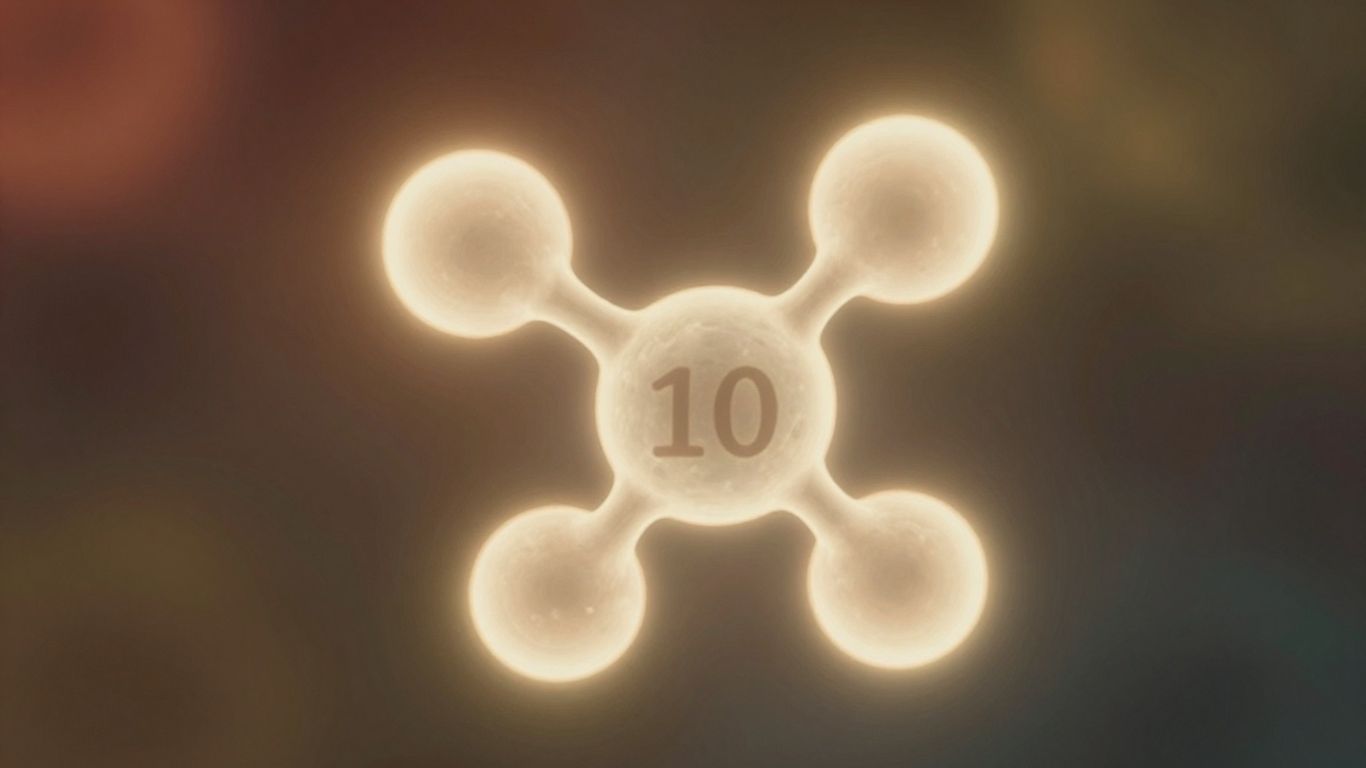
While Kisspeptin 10 is widely recognized for its significant role in reproductive health, its influence extends much further, touching upon mood, metabolism, and overall neuroendocrine function. It’s not just about fertility; this peptide acts as a key modulator in several other bodily systems.
Kisspeptin’s reach into the brain is quite profound. It interacts with areas that govern emotions, social bonding, and even sexual motivation. By influencing neurotransmitter pathways, it may help stabilize mood and reduce feelings of anxiety or irritability that can sometimes accompany hormonal imbalances. This peptide’s ability to fine-tune emotional responses suggests a broader role in mental well-being. Early research indicates a connection to dopamine and serotonin systems, which are central to how we experience pleasure, motivation, and overall emotional state.
There’s a growing understanding of how Kisspeptin 10 connects to our body’s energy management. It appears to play a role in how our bodies adapt to different energy states, influencing factors like body weight and blood glucose levels. For instance, studies have shown that Kisspeptin can help normalize these markers, particularly when they’ve been disrupted by factors like a high-fat diet. This suggests it could be important for maintaining metabolic health and preventing issues related to energy imbalance.
At its core, Kisspeptin 10 is a master regulator of hormones. Its action upstream in the hypothalamic-pituitary-gonadal (HPG) axis means it can influence a wide range of hormonal feedback loops. This fine-tuning capability is not limited to reproductive hormones; it impacts the entire neuroendocrine system. By signaling the brain to adjust hormone production, Kisspeptin helps maintain a delicate balance, preventing the over- or under-production of various signaling molecules. This precise control is what makes it a subject of interest for optimizing overall endocrine function and potentially addressing conditions linked to hormonal dysregulation.
Kisspeptin 10 acts as a sophisticated messenger within the body’s complex hormonal network. Its influence isn’t confined to a single function but rather ripples through various physiological processes, including mood, metabolism, and the intricate balance of neuroendocrine signals. This broad impact highlights its potential as a therapeutic agent for a wider range of health concerns than initially recognized.
Kisspeptin’s central role in the reproductive system makes it a prime candidate for treating infertility. By stimulating the release of GnRH, kisspeptin can help re-establish normal hormonal signaling in individuals with conditions like hypogonadotropic hypogonadism. This can lead to the maturation of eggs in women and sperm production in men. Research has shown that administering kisspeptin can effectively trigger ovulation in women who have difficulty ovulating naturally. For men, it’s being explored as a way to boost sperm count and quality. The goal is to restore the body’s own natural reproductive hormone production.
Polycystic Ovary Syndrome (PCOS) and endometriosis are complex conditions often linked to hormonal imbalances. Studies suggest that kisspeptin might play a role in managing these issues. In PCOS, where irregular cycles and ovulation problems are common, kisspeptin therapy could potentially help regulate menstrual cycles and improve ovulation. For endometriosis, which involves the growth of uterine tissue outside the uterus, kisspeptin’s influence on reproductive hormones is being investigated for its potential to alleviate symptoms. More research is needed, but the peptide shows promise.
Currently, kisspeptin is typically administered through injections. This is because if taken orally, it would likely be broken down by the digestive system before it could reach the bloodstream and have an effect. The most common methods are:
It’s important to note that kisspeptin is still largely considered an experimental compound. Therefore, its administration should always be under the guidance of a qualified healthcare professional. They can determine the appropriate dosage and administration protocols based on individual needs and monitor for any potential effects. Obtaining kisspeptin from unregulated sources carries significant risks due to potential issues with purity and potency.
Kisspeptin-10 acts as a key signal in the body’s natural hormone production pathway. It works by stimulating the hypothalamus to release gonadotropin-releasing hormone (GnRH). This, in turn, prompts the pituitary gland to produce luteinizing hormone (LH) and follicle-stimulating hormone (FSH). These are the primary drivers for testosterone synthesis in the testes. For men experiencing lower testosterone levels, this upstream stimulation can be quite beneficial. Instead of introducing external testosterone, which can sometimes lead to the body reducing its own production, Kisspeptin-10 encourages the body to ramp up its natural output. This approach aims to restore hormonal balance from within.
The scientific literature highlights the importance of the HPG axis for maintaining hormonal balance. Kisspeptin-10’s ability to stimulate this axis offers a way to potentially improve testosterone levels without the common drawbacks of direct testosterone supplementation.
Many men report improvements in libido and overall sexual function when using Kisspeptin-10. This effect is likely linked to its role in boosting natural testosterone levels, as testosterone plays a significant part in male sexual desire. Beyond testosterone, research suggests kisspeptin may also influence brain regions associated with sexual behavior and arousal. Early studies indicate it can stimulate activity in the limbic system, which is involved in emotions and attraction. This dual action—supporting hormone levels and potentially influencing neural pathways—could contribute to a renewed sense of sexual vitality. This peptide offers a potential avenue for addressing low libido tied to hormonal imbalances, providing a more physiological approach to sexual health concerns.
As men age, natural declines in hormone levels can occur, impacting energy, mood, and physical well-being. Kisspeptin-10 offers a way to address these changes by working with the body’s existing systems. Rather than bypassing natural processes, it aims to optimize them. This peptide therapy is seen as a more natural method compared to some traditional hormone replacement strategies. By encouraging the body’s own production of key hormones, it seeks to restore a more youthful hormonal profile. This can lead to improvements in energy levels, motivation, and a general sense of well-being, helping men feel more vital and balanced. It’s a way to support the body’s hormonal engine at its source, rather than simply adding external hormones. This method is gaining attention as a way to manage the effects of age-related hormonal shifts [a97c].
While Kisspeptin 10 shows a lot of promise, it’s still pretty new territory, and we’re learning more about it all the time. Thinking about using it means looking at what we know about safety now and what might come next.
Most people who use Kisspeptin 10 report only minor issues. You might get a little redness or irritation where you inject it, or maybe a slight headache or feeling a bit dizzy right after a dose. Some folks notice a temporary boost in their sex drive or mood swings, but these usually pass quickly. Early studies, like one from Imperial College London, didn’t find any serious heart or brain issues in the short term. However, we don’t have a lot of information yet on what happens after using it for months or years. It’s important to remember that messing with your hormones, even by signaling your body to make more, can sometimes lead to unexpected results if not managed carefully.
Compared to some other ways of managing hormone levels, Kisspeptin 10 might offer a more natural approach. Instead of directly giving your body hormones, it nudges your own system to produce them. This could mean fewer of the side effects associated with things like testosterone replacement therapy, especially if it’s used under medical guidance. The goal is to work with your body’s natural rhythms rather than overriding them. This method is being explored for its potential in managing pregnancy complications [a537].
Right now, Kisspeptin 10 isn’t approved by major health organizations like the FDA for general use. This means you can’t get it as a standard prescription. It’s mostly available through clinical trials or specialized clinics. Because of this, sourcing it from unregulated online sellers is risky; the product might not be pure, could be the wrong dose, or even contaminated. The key takeaway is that responsible use, under the care of a qualified healthcare provider, is paramount. Future research is looking into its broader therapeutic applications, including in areas beyond reproduction [b196].
The long-term effects of Kisspeptin 10 are still being studied. While short-term use appears relatively safe for many, the lack of extensive data means caution is advised. It’s crucial to work with a doctor to understand your individual risks and benefits.
Exploring the safety and future of Kisspeptin 10 is crucial. This exciting area of research holds promise for various applications. Want to learn more about the latest findings and where this field is headed? Visit our website for in-depth articles and updates.
So, we’ve talked a lot about Kisspeptin and how it seems to be this central piece in the whole reproductive health puzzle. It’s pretty amazing how this one little peptide can influence so much, from kicking off puberty to keeping cycles regular and even affecting how we feel. It’s not just about fertility, either; it seems to connect our hormones to our metabolism and maybe even our mood. While it’s not a magic bullet, the way Kisspeptin works with our body’s natural systems, rather than just adding external hormones, is really interesting. As scientists keep digging into its effects, it looks like Kisspeptin could become a really useful tool for a lot of people trying to sort out their hormonal health, whether that’s for having kids or just feeling more balanced overall. It’s definitely a space worth watching as the research continues to unfold.
Kisspeptin 10 is a natural substance in your body, like a tiny messenger. It’s made from a larger protein and plays a big role in controlling your body’s reproductive system and hormones. Think of it as a key that unlocks important signals for things like puberty and fertility.
Kisspeptin 10 is like a boss that tells other important hormones what to do. It signals your brain to release hormones that then tell your ovaries or testes to do their jobs, like making eggs or sperm and preparing your body for reproduction. It’s crucial for starting puberty, keeping your monthly cycles regular, and helping with fertility.
Yes, it can! For people having trouble getting pregnant, Kisspeptin 10 therapy can help. It works by naturally encouraging your body to produce the right hormones needed for ovulation or sperm production, which can be very helpful for certain types of fertility issues.
It sure does! While it’s a big deal for reproduction, Kisspeptin 10 also seems to help with things like mood and emotions. It might also play a role in how your body manages energy and weight, showing it’s involved in more than just making babies.
When used correctly and under the guidance of a doctor, Kisspeptin 10 is generally considered safe. It’s often seen as a more natural way to manage hormones compared to some other treatments. However, like anything, it’s important to talk to a healthcare professional to make sure it’s right for you and to monitor any effects.
Currently, Kisspeptin 10 is usually given as a shot just under the skin. Doctors will decide the right amount and how often it’s needed based on what someone is trying to achieve, like improving fertility or balancing hormones. Scientists are also looking into other ways, like nasal sprays, but shots are the most common method now.
 by
by