Navigating the Path to Accessing Retatrutide: Your Comprehensive Guide
Retatrutide has been getting a lot of attention lately, especially among people looking for new ways to manage their weight. It’s still early days for...
 Are you over 18 years old?
This website requires you to be 18 years or older to enter our website and see the content.
Are you over 18 years old?
This website requires you to be 18 years or older to enter our website and see the content.

GHK-Cu peptide Australia is making waves, and for good reason. It’s not just another buzzword in the beauty and wellness world. This naturally occurring copper peptide complex does some pretty amazing things, going beyond just surface-level fixes. It actually talks to your DNA, telling your cells to repair themselves and act younger. We’re going to break down what makes this peptide so special, how it works on a genetic level, and how you can actually get your hands on it here in Australia. Think of this as your straightforward guide to understanding and using GHK-Cu.
The story of GHK-Cu really starts back in 1973. A scientist named Dr. Loren Pickart found a small chain of amino acids, called a tripeptide, in human blood plasma. He named it GHK. Early studies showed something pretty interesting: when older liver cells were exposed to blood from younger people, they started acting more like younger cells. It turned out that GHK was the key player in this rejuvenation effect. What makes GHK-Cu special is that it’s naturally found in our bodies – in things like plasma, saliva, and even urine. The catch is, its levels drop significantly as we get older. This means our bodies already know how to work with it, which is a big plus compared to introducing something totally foreign. When GHK teams up with a copper ion (that’s the ‘Cu’ part), it forms the GHK-Cu complex. This copper-bound form is what really unlocks its powerful regenerative abilities.
Instead of being a drug that forces a specific pathway in the body, GHK-Cu acts more like a messenger. It’s a biomimetic molecule, meaning it mimics natural processes. Think of it as a signaling molecule that tells your cells to return to a more youthful and functional state. It doesn’t just target one problem; it orchestrates a whole range of repair and regeneration processes. This ability to communicate with cells and guide them back towards healthier function is what sets it apart.
Modern medicine often struggles with issues like persistent, low-level inflammation and the body’s declining ability to repair itself as we age. GHK-Cu steps in to tackle these very problems. It’s known for:
GHK-Cu’s unique ability to act as a signaling molecule means it can influence cellular behavior on a fundamental level, promoting a return to a more youthful and efficient state. This makes it a valuable tool in addressing the complex challenges associated with aging and tissue damage.
Gene modulation is a fancy term for changing how our genes behave without actually altering the DNA itself. Think of your DNA as the instruction manual for your body. Gene modulation is like highlighting certain instructions or adding sticky notes to them, telling your cells to read them more or less often. As we get older, or when our bodies are under stress, these instructions can get a bit jumbled. Some genes that should be quiet start making noise, and others that should be active go silent. This is where GHK-Cu steps in. It’s like a biological editor, helping to sort out those instructions and get them back to a healthier pattern.
This peptide does more than just patch things up on the surface; it actually talks to your genes. Studies have shown that GHK-Cu can influence the expression of thousands of genes. It’s not changing the genetic code, but it’s telling your cells which genes to turn on and which to turn off. This is a big deal because it can help:
The most remarkable aspect is its ability to reset gene expression towards a more youthful and functional state.
So, what does this gene resetting actually look like in practice? It means that GHK-Cu can help your cells behave more like they did when they were younger and healthier. It can help reduce the chronic, low-level inflammation that contributes to aging. It also ramps up the production of important structural components like collagen and elastin, which are key for skin and tissue health. This process is what allows GHK-Cu to not only help with wound healing but also to contribute to skin regeneration and potentially even hair regrowth by creating a better environment at the cellular level. It’s like giving your cells a tune-up, optimizing their performance and resilience.
GHK-Cu acts as a signaling molecule that communicates with your cells, influencing their behavior by adjusting gene expression. This epigenetic effect helps restore cellular functions that may have declined with age or due to environmental factors, promoting a return to a more robust and youthful cellular state.
Translating the science of GHK-Cu into effective clinical practice requires a thoughtful approach to how it’s administered, the amounts used, and the timing of treatments. The best way to use GHK-Cu really depends on what you’re trying to achieve, whether that’s a body-wide effect or a more focused treatment on a specific area.
For those looking for broader benefits like anti-aging, managing inflammation throughout the body, or general wellness, injecting GHK-Cu just under the skin (subcutaneously) is often the preferred method. This way, the peptide gets into your system effectively. The first step involves mixing the powdered peptide with sterile water, a process that needs to be done gently by swirling, not shaking, to protect the peptide’s structure. Dosages are typically tailored to the individual, but there’s a generally accepted range that works well.
Here’s a look at some common protocols:
It’s important to cycle GHK-Cu to keep your body responsive and avoid issues with copper levels. This means periods of use followed by periods of rest.
When the goal is to address specific skin concerns or promote hair regrowth, applying GHK-Cu directly to the area can be very effective. This method allows the peptide to work locally, targeting the cells in the skin or scalp. Products like serums and creams containing GHK-Cu are designed for this purpose. They are often used in conjunction with other skincare ingredients, but it’s wise to be mindful of potential irritation, especially if you have sensitive skin. Always consider patch-testing new products.
Getting the most out of GHK-Cu involves more than just applying or injecting it; it’s about using it correctly over time. Cycling is a key concept here. Using peptides in cycles helps maintain their effectiveness and prevents your body from becoming too accustomed to them. This means taking planned breaks between treatment periods. The exact dosage and cycle length will depend on your specific goals and how your body responds. It’s always best to discuss these details with a healthcare provider who understands injectable peptides and their application.
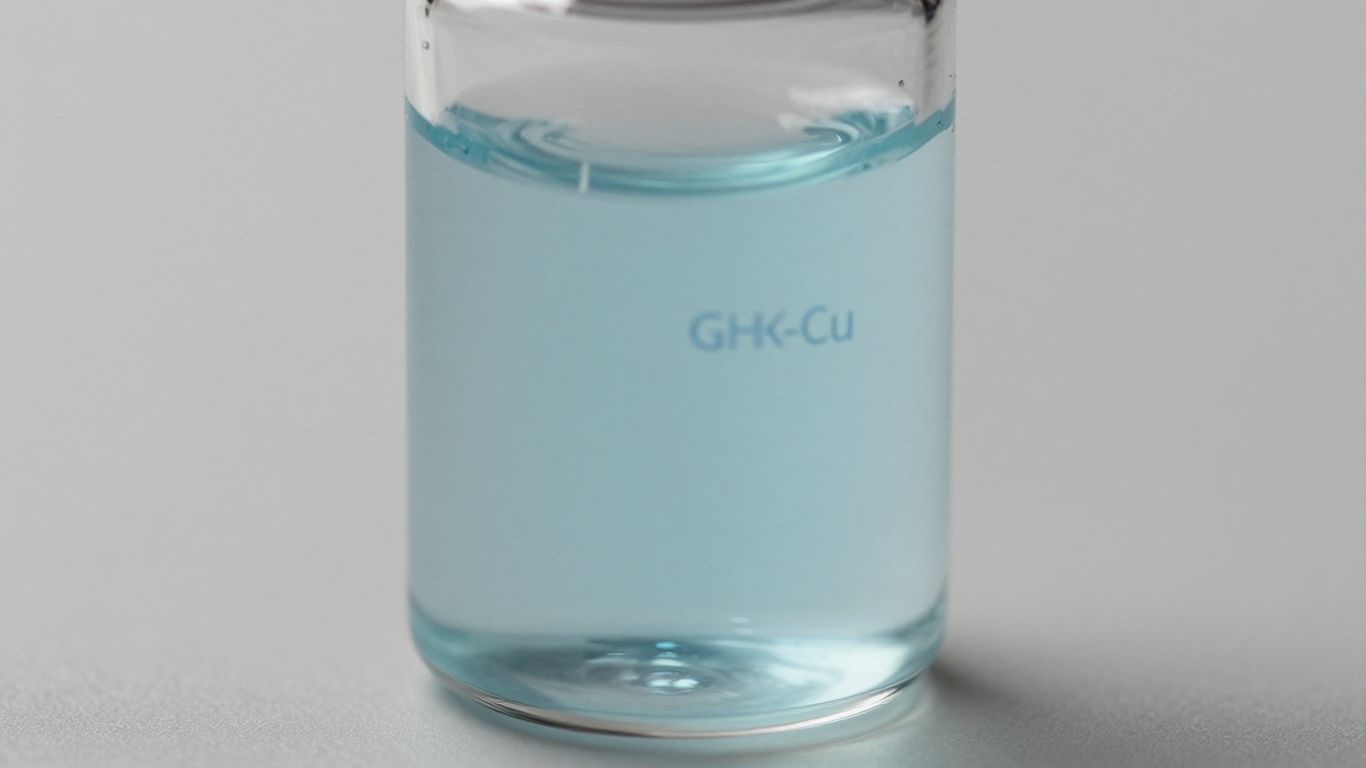
When looking at regenerative treatments, it’s smart to see how they stack up against what’s already out there. GHK-Cu isn’t just another product; it works differently than many common options, especially for things like hair loss and skin rejuvenation.
Minoxidil is a well-known hair loss treatment. It mainly works by widening blood vessels, which increases blood flow to the hair follicles. This can help some people, but it doesn’t really fix the underlying issues with the follicle itself. When you stop using it, the effects usually go away.
GHK-Cu, on the other hand, takes a more comprehensive approach to hair regrowth. It’s thought to help by making hair follicles bigger, potentially blocking the enzyme that shrinks them (like finasteride), encouraging collagen for a healthier scalp, and boosting blood vessel growth. Some studies suggest it might be as effective as 5% Minoxidil, but it does this by helping to rebuild the hair follicle’s environment, not just by increasing blood flow. It’s like fixing the soil versus just watering the plant.
PRP therapy is another popular option. It involves taking your own blood, concentrating the platelets, and injecting them back into the area you want to treat. It’s rich in growth factors, but it’s also invasive, can be painful, and often comes with a higher price tag and recovery time. Plus, it’s a general boost of growth factors.
GHK-Cu offers a way around that. You can use it topically, or with a small injection. Instead of a general growth factor boost, GHK-Cu acts more like a specific signal to your cells, telling them to repair and regenerate by changing how thousands of genes work. This makes it a more targeted and easier-to-use option for many. You can even use them together; applying a GHK-Cu serum after PRP might help keep the regenerative effects going longer.
Using GHK-Cu with other treatments, often called ‘stacking,’ can sometimes give even better results. It’s about combining different tools to achieve a common goal.
Deciding on the right regenerative therapy involves understanding how each one works and what it’s best suited for. GHK-Cu stands out because it signals your body to repair itself at a genetic level, offering a different kind of benefit compared to treatments that just increase blood flow or provide a general mix of growth factors. It’s a more precise way to encourage your body’s natural healing and rejuvenation processes.
Finding a reliable source for GHK-Cu peptide in Australia requires careful consideration, especially given the regulatory landscape. It’s not as simple as picking it up at your local pharmacy.
Peptides in Australia fall into a few different categories when it comes to regulation. Some are approved by the Therapeutic Goods Administration (TGA), like certain GLP-1 drugs. Others are prescription-only, meaning a doctor can prescribe them, but they aren’t generally available over the counter. Then there are peptides like GHK-Cu, which are not approved by the TGA and are not listed in the standard drug schedules. This means that supplying, manufacturing, or importing them for human therapeutic use is currently restricted.
The distinction between these categories is important. While some peptides have established clinical pathways, others exist in a less defined space, requiring a more cautious approach to acquisition and use.
Because GHK-Cu is not TGA approved for therapeutic use, sourcing it often involves looking at research chemical suppliers. It’s vital to choose suppliers who are transparent about their product’s purity and origin. Look for companies that provide:
Be aware that many suppliers operate online, and verifying their legitimacy can be challenging. Always prioritize quality and safety over price when selecting a supplier.
Given the regulatory status and the potent biological effects of GHK-Cu, consulting with a qualified healthcare provider is highly recommended before you consider sourcing or using it. A doctor or a specialist knowledgeable in peptide therapies can:
Looking for GHK-Cu peptide in Australia? You’ve come to the right place! We offer high-quality GHK-Cu for your research needs. Get yours today and see the difference. Visit our website to learn more and place your order.
So, we’ve gone through what GHK-Cu is all about, from how it works deep down in your cells to how you can actually use it. It’s pretty clear this isn’t just another trendy ingredient; it’s a complex molecule that can really help your body repair itself and look younger. Understanding how to use it right, whether on your skin or through injections, is key to seeing those benefits. It’s exciting to think about how these kinds of smart, natural-acting compounds could change how we approach health and aging. If you’re thinking about tackling hair loss with something that’s backed by science, it’s a good idea to talk to someone who knows their stuff. They can help figure out the best plan just for you.
GHK-Cu is a small molecule naturally found in our bodies that’s made of a copper piece attached to a peptide. Think of it like a tiny messenger that tells your cells to repair themselves and act younger. It’s special because it can actually change how your genes work, helping your body heal and look better without being a harsh drug.
For skin, GHK-Cu encourages your skin cells to make more collagen and elastin, which makes skin look firmer and reduces wrinkles. It also helps fade dark spots. For hair, it can help hair follicles grow stronger and stay in the growing phase longer, potentially leading to thicker hair and less hair loss.
Yes, but you need to be careful about when you use them. Vitamin C and Retin-A work best in a more acidic environment, while GHK-Cu prefers a more neutral one. It’s best to use Vitamin C in the morning and GHK-Cu and Retin-A at night. Wait a few minutes between applying different products to make sure they all work well.
When injected, you might get some temporary redness or itching where the needle went in. If you use it for a very long time at high doses, there’s a small chance of getting too much copper. To avoid this, it’s important to follow recommended usage plans, like taking breaks from it.
Hair grows slowly, so you need to be patient. You might start noticing less hair falling out or see some fine, new hairs within 2 to 3 months. For more noticeable thickness and density, it often takes about 4 to 6 months of using it regularly.
The rules for peptides in Australia can be a bit tricky. Some peptides are approved by the government, while others are not approved for general use and might require a prescription. GHK-Cu is one of the peptides that is not currently approved by the Australian government for therapeutic use, meaning it can be illegal to import, supply, or use for treating medical conditions.
 by
by