Navigating the Path to Accessing Retatrutide: Your Comprehensive Guide
Retatrutide has been getting a lot of attention lately, especially among people looking for new ways to manage their weight. It’s still early days for...
 Are you over 18 years old?
This website requires you to be 18 years or older to enter our website and see the content.
Are you over 18 years old?
This website requires you to be 18 years or older to enter our website and see the content.

There’s a lot of talk lately about MOTS-c, a peptide that’s getting attention for its potential effects. It comes from our mitochondria, the powerhouses inside our cells. Early research suggests it might play a role in how our bodies handle energy and could be linked to things like metabolism and even aging. This article looks into what MOTS-c is, what it might do, and what’s happening with research, especially concerning mots-c peptide australia.
MOTS-c is a small peptide, specifically a 16-amino acid polypeptide, that originates from our mitochondrial DNA. Think of mitochondria as the powerhouses within our cells; they’re responsible for turning the food we eat into energy our bodies can use. Recently, scientists have discovered that these mitochondria can actually produce their own signaling molecules, called mitochondrial-derived peptides (MDPs). MOTS-c is one of these newly identified MDPs. Its sequence is quite stable across different species, including humans and mice, suggesting an important role. Research indicates that MOTS-c plays a part in keeping mitochondria working well and protecting cells when they’re under stress.
Mitochondria, once thought to be just energy producers, are now understood to have a more complex role. They possess their own genetic material, separate from the cell’s main DNA, and can create unique peptides. These mitochondrial-derived peptides, or MDPs, are thought to be involved in how mitochondria communicate both within a cell and with other cells. This communication is important for maintaining balance, especially when the body faces challenges like metabolic issues or aging. Besides MOTS-c, other MDPs like humanin have been identified, though their specific functions are still being explored. The discovery of MDPs opens up new avenues for understanding cellular health and disease.
MOTS-c has a notable influence on how our cells manage energy. Studies suggest it can improve how skeletal muscle cells handle glucose, which is a key factor in managing conditions like diabetes. It appears to do this partly by activating a pathway known as AMPK. This pathway is like a master switch for cellular energy. When activated, it can signal the cell to become more efficient in its use of energy resources. This improved metabolic function is a significant area of interest for potential therapeutic applications, particularly concerning metabolic diseases.
The precise ways MOTS-c moves within the cell and communicates its signals are still under investigation. Scientists are working to understand how it gets into cells without breaking down and still manages to be active. Figuring out this cellular entry mechanism is key to understanding how MOTS-c might work as a treatment.
MOTS-c is showing some interesting possibilities when it comes to metabolic health. It seems to play a role in how our cells use energy, particularly in muscle tissue. Studies suggest that as we get older, the levels of MOTS-c in our bodies might drop. This decrease has been linked to issues like insulin resistance, which is a big deal for overall metabolic function.
One of the most talked-about areas for MOTS-c is its potential impact on insulin resistance and type 2 diabetes. Low levels of MOTS-c have been observed in individuals with type 2 diabetes, gestational diabetes, and even in obese children and adolescents. This suggests a connection between MOTS-c levels and the body’s ability to manage blood sugar.
The peptide appears to work by activating pathways that help cells respond better to insulin, essentially improving how glucose is processed. This could be a significant development for managing conditions where insulin signaling is impaired.
There’s also a growing interest in how MOTS-c might benefit the heart. Some studies have pointed to a role for MOTS-c in conditions like coronary endothelial dysfunction, which is a problem with the blood vessels in the heart. Research in animal models has shown that MOTS-c treatment can improve heart function, particularly in cases where the heart is under stress or has been affected by diabetes. It seems to help by improving how the heart uses glucose and by offering some protection against oxidative stress.
As we age, various bodily functions can start to decline, and metabolic health is often part of that. The observation that MOTS-c levels decrease with age is a key finding. Restoring these levels could potentially help counteract some of the metabolic changes associated with getting older. This includes issues like reduced muscle function and increased insulin resistance. By supporting mitochondrial function, MOTS-c might offer a way to promote healthier aging at a cellular level.
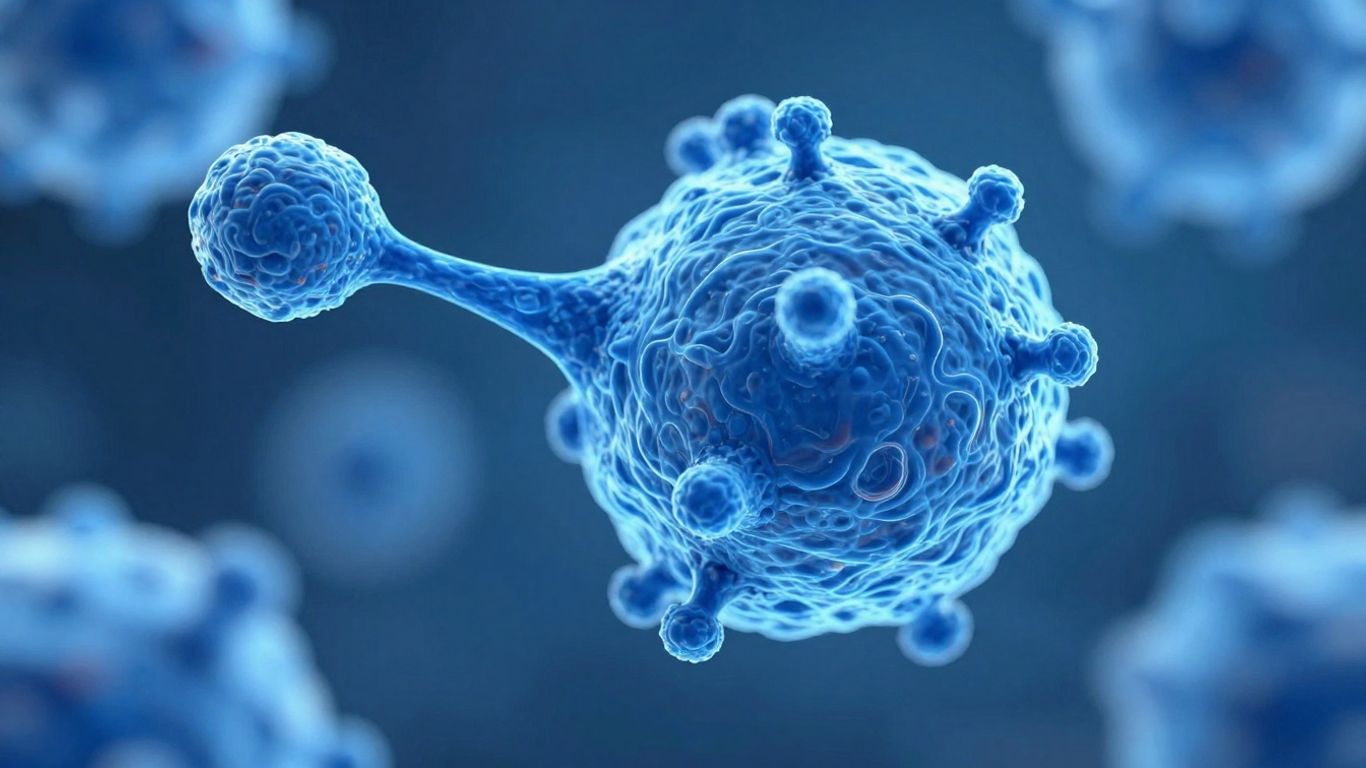
MOTS-c seems to work by nudging a key cellular energy sensor called AMPK. Think of AMPK as a master switch for metabolism. When energy levels dip, AMPK gets activated, telling the cell to ramp up energy production and conserve what it has. Research suggests that MOTS-c can activate this pathway, particularly in muscle cells. This activation is thought to be a big reason why MOTS-c can help improve how cells use glucose and respond to insulin.
Since MOTS-c comes from mitochondria, it makes sense that it would influence how these powerhouses of the cell operate. Studies indicate that MOTS-c can help improve mitochondrial function, especially when it’s compromised, like in aging or certain diseases. This can mean better energy output and reduced cellular stress.
How MOTS-c gets into cells and signals its effects is still an area of active study. It’s a small peptide, which might help it cross cell membranes. Once inside, it appears to interact with various cellular pathways to exert its benefits. Understanding the precise way MOTS-c enters cells and communicates its message is key to figuring out its full therapeutic potential.
The exact process by which MOTS-c enters cells and maintains its activity without being broken down is not fully clear yet. Further investigation into this cellular entry mechanism is important for understanding how it might be used as a treatment.
| Pathway Affected | Observed Effect of MOTS-c |
|---|---|
| AMPK | Activation |
| ERK, JNK, P38 | Inhibition |
| c-Fos | Inhibition |
While MOTS-c is a relatively new player in the scientific community, research is starting to pick up pace, including here in Australia. Universities and research institutions are beginning to explore its potential, though it’s still early days. Most of the work is happening at the lab bench, looking at how MOTS-c affects cells and tissues in controlled environments. The focus is largely on understanding its basic functions before moving to more complex studies.
Synthetic biology offers exciting possibilities for how we might produce and use peptides like MOTS-c in the future. This field is all about designing and building new biological parts, devices, and systems. For MOTS-c, this could mean developing more efficient ways to create the peptide or even engineering organisms to produce it. This could make it more accessible for research and, eventually, for therapeutic use. It’s a bit like using advanced engineering to make biological tools.
Looking ahead, the path for MOTS-c research in Australia involves several key areas. First, more studies are needed to confirm the initial findings and see if they hold up in different models. This includes looking at safety and effectiveness in more detail. Second, there’s a push to understand exactly how MOTS-c works at a molecular level. This deeper knowledge will guide how it might be used. Finally, bridging the gap from lab research to potential clinical applications will require collaboration between scientists, medical professionals, and regulatory bodies.
Here’s a look at some of the areas researchers are interested in:
The journey from a promising peptide discovered in a lab to a widely available treatment is long and complex. It requires rigorous testing, careful evaluation, and a clear understanding of both benefits and risks. Australia’s research community is contributing to this growing body of knowledge, aiming to uncover the full potential of MOTS-c.
Understanding the legal and practical framework for MOTS-c peptide in Australia is important, especially as interest in therapeutic peptides keeps growing. The rules covering MOTS-c are still being defined, leaving some uncertainty for researchers, athletes, and anyone interested in its use.
If you’re considering MOTS-c for a medical need, you can’t just walk into a pharmacy and get it. In Australia, prescription peptides like MOTS-c require special permissions. Here’s what typically applies:
For many, applying for exemptions can be stressful, as the process involves strict scrutiny and a patchwork of shifting guidelines.
Athletes must pay special attention. Most sporting organizations in Australia, including those following WADA (World Anti-Doping Agency) guidance, keep a close eye on emerging compounds like MOTS-c. Here’s how this impacts the sports world:
Example Table: Anti-Doping Policy Status
| Peptide Type | Prohibited in Sport? | TUE Available? |
|---|---|---|
| MOTS-c | Not currently banned | Possible |
| Growth Hormone | Yes | Rare |
There are real barriers people experience, whether they’re researchers or everyday users:
If you’re hoping for regular access, the path is slow—dependent on more studies, possible approval by the TGA (Therapeutic Goods Administration), and clearer policy. For now, regulatory caution dominates, with only a handful of exceptions for tightly controlled clinical research.
Understanding the rules and laws that govern our industry can feel like a maze. We’re here to help you find your way through the complex world of regulations. Want to learn more about how we stay compliant and ensure everything is above board? Visit our website for a clear guide.
So, after looking into MOTS-c, it’s clear this peptide is a really interesting area of research, especially for things like metabolism and how our bodies handle energy. We’ve seen how it might help with issues related to aging and conditions like diabetes. It seems like exercise naturally boosts MOTS-c levels in people, which is pretty neat. However, it’s super important to remember that MOTS-c is still experimental. It’s not approved for general use by health authorities, and it’s actually banned in sports. While the science is promising, especially in lab studies and animal models, we’re still a long way from seeing it as a standard treatment. More work is needed to figure out the best ways to use it, if at all, and to make sure it’s safe. For now, it’s best to stick to what’s known and approved for health and wellness.
MOTS-c is a tiny piece of protein, made of 16 building blocks called amino acids. It’s created from instructions found inside our cells’ powerhouses, the mitochondria. Think of mitochondria as tiny engines that give our cells energy. MOTS-c is one of several such ‘messenger’ peptides that come from these engines and help keep our cells healthy, especially when they’re under stress.
Researchers are exploring MOTS-c for its possible role in improving health. Studies suggest it might help with how our bodies handle sugar, which is important for conditions like diabetes. It’s also being looked at for its effects on heart health and potentially slowing down some aspects of aging, particularly related to muscle function and energy.
MOTS-c seems to help our cells use energy more efficiently. One way it might do this is by activating a pathway in the cell called AMPK, which is like a master switch for energy use. It also appears to help improve how our mitochondria, the cell’s power plants, function, making them work better and protect themselves from damage.
No, MOTS-c is still considered an experimental substance. It has not been approved by health authorities like the FDA for use in people. Therefore, it cannot be prescribed as a medicine, and compounding pharmacies are not allowed to create medications using it.
Athletes cannot use MOTS-c. It is listed on the World Anti-Doping Agency’s (WADA) prohibited list because it’s considered a ‘metabolic modulator.’ This means it’s banned at all times, and athletes cannot get special permission, called a Therapeutic Use Exemption (TUE), to use it because it doesn’t have an approved medical purpose.
MOTS-c is not a legal ingredient for dietary supplements. While you might find websites selling it online, they often label it strictly for ‘research purposes only.’ It’s crucial to understand that using it outside of approved research settings carries significant risks and is not endorsed by health authorities.
 by
by