Navigating the Path to Accessing Retatrutide: Your Comprehensive Guide
Retatrutide has been getting a lot of attention lately, especially among people looking for new ways to manage their weight. It’s still early days for...
 Are you over 18 years old?
This website requires you to be 18 years or older to enter our website and see the content.
Are you over 18 years old?
This website requires you to be 18 years or older to enter our website and see the content.

GHK-Cu, a peptide with copper, is getting a lot of attention. Most of what we know comes from using it on the skin. But what happens when you take ghk-cu oral? This article looks into how well it gets into your body when swallowed, what the science says, and what benefits you might expect. We’ll also touch on practical things to consider and where research is headed.
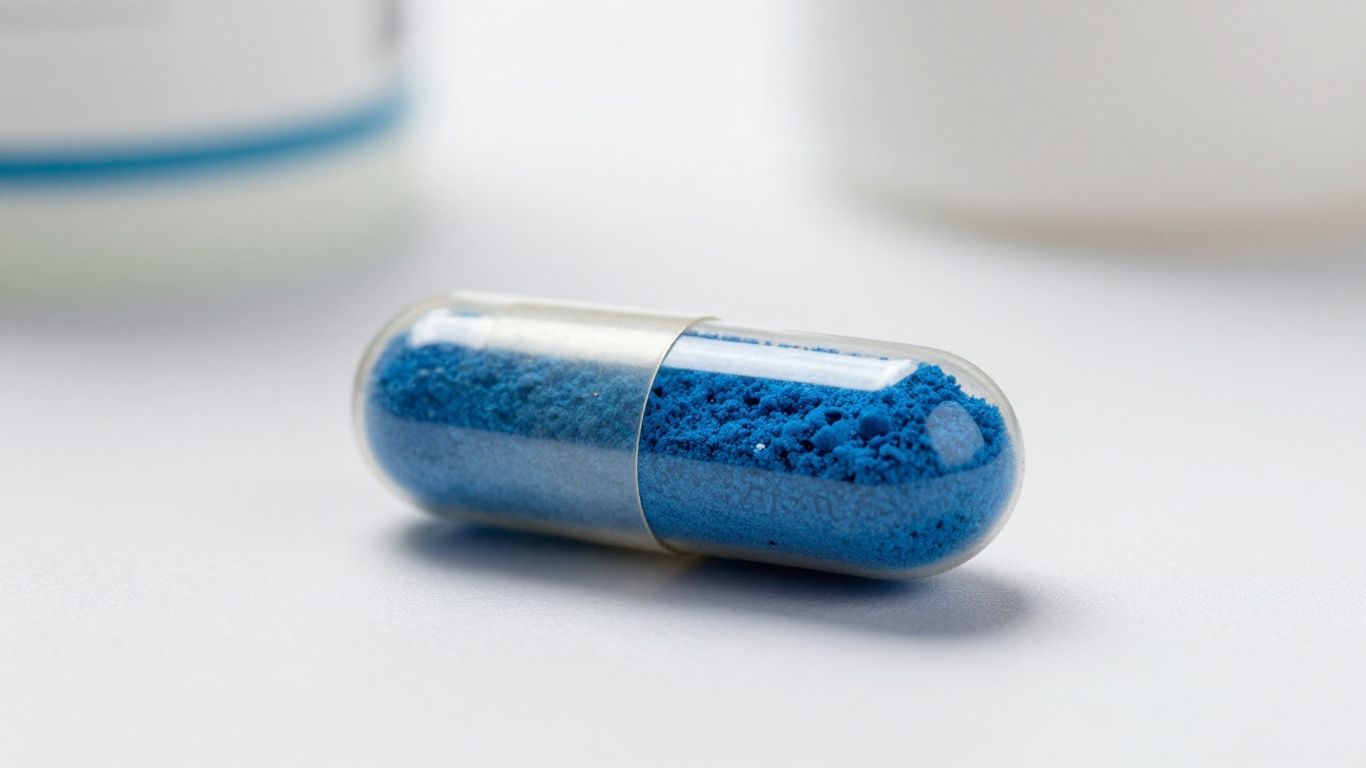
When we talk about taking GHK-Cu by mouth, a big question comes up: how much of it actually gets into our bodies and does what it’s supposed to do? This is where the idea of oral bioavailability comes in. It basically means the percentage of a substance you swallow that makes it into your bloodstream in its original form, ready to work.
For GHK-Cu, oral bioavailability is a bit of a puzzle. Unlike things we inject, which go straight into the system, anything we eat or drink has to go through the digestive system. This means stomach acid and enzymes are waiting to break it all down. For peptides like GHK-Cu, this breakdown is a major hurdle. If it gets chopped up into tiny pieces before it can be absorbed, it might not have the same effects as the intact peptide. So, when considering oral supplements, understanding how much GHK-Cu survives this journey is key to setting realistic expectations.
Peptides are essentially short chains of amino acids. Think of them like delicate strings of beads. Our digestive system, however, is designed to break down proteins and peptides into their individual amino acid components for absorption. This is great for getting nutrients from food, but not so great for delivering a specific peptide like GHK-Cu intact. The harsh environment of the stomach, with its strong acids and powerful enzymes like pepsin, can quickly dismantle these peptide chains. This means that even if you take a good dose, a significant portion might be degraded before it even has a chance to be absorbed.
Here’s where the ‘Cu’ in GHK-Cu becomes important. Copper isn’t just there for show; it actually plays a role in stabilizing the GHK peptide. When copper binds to GHK, it forms a complex that appears to be more resilient. Some research suggests that this copper binding can offer a degree of protection against the digestive enzymes and acids. While it doesn’t completely solve the bioavailability problem, it might mean that more of the GHK-Cu complex survives the digestive process compared to GHK alone. This stabilization is a significant factor when considering how well an oral supplement might work. It’s one of the reasons why the GHK-Cu complex is often studied rather than just the GHK peptide on its own. The presence of copper can make a difference in how much of the peptide reaches the bloodstream in a usable form, potentially leading to better results from oral supplements.
The journey of a peptide from a capsule to your bloodstream is complex. Digestive enzymes and stomach acid are designed to break down such molecules, making oral delivery a significant challenge. While some absorption of GHK-Cu may occur, the amount that remains intact and active is still a subject of ongoing research.
When we talk about taking GHK-Cu by mouth, a big question is how much of it actually gets into our system and does its job. This is where oral bioavailability comes in. It’s basically the percentage of the GHK-Cu you swallow that makes it into your bloodstream in a usable form. For peptides like GHK-Cu, this is a tricky area.
So, what do the studies say? Well, research in animals has shown that GHK-Cu can be detected in the bloodstream after oral administration. This suggests that some absorption is happening, which is a good start. However, the exact amount that gets through and stays active is still a bit of a mystery. Lab studies, often called in vitro, also help us understand how GHK-Cu behaves outside the body, giving us clues about its stability and potential breakdown pathways.
Even if the whole GHK-Cu molecule doesn’t make it into the bloodstream intact, there’s a thought that its smaller pieces, or fragments, might still be doing something useful. Think of it like a complex tool; even if a part breaks off, it might still be able to perform a specific function. Some research hints that these fragments could retain some biological activity, though this is an area that needs more investigation. It’s a bit like finding out that even a broken toy can still be fun in a different way.
Several things can affect how well GHK-Cu gets absorbed when you take it orally. The way the supplement is made, for instance, plays a big role. If it’s protected in some way, like through special coatings or encapsulation, it might survive the harsh environment of your stomach better. The amount you take matters too, and as mentioned, the copper itself seems to help keep the peptide stable, which could aid absorption. Your own body chemistry, like your gut health and the enzymes present, also contributes to how much you absorb. It’s a complex interplay of factors, and manufacturers are looking into ways to improve this, perhaps by using advanced delivery systems.
The journey of an orally ingested peptide like GHK-Cu through the digestive system is fraught with challenges. Enzymes and stomach acid are designed to break down complex molecules, and peptides are particularly vulnerable. While some absorption is observed, the extent to which the intact, active peptide reaches systemic circulation remains a subject of ongoing scientific inquiry.
Here’s a quick look at what can influence absorption:
Understanding these elements helps set realistic expectations for oral GHK-Cu supplements. While research into conditions like ulcerative colitis shows promise for GHK-Cu’s therapeutic potential, its oral delivery for systemic benefits is still an evolving science.
GHK-Cu, a naturally occurring peptide complex with copper, has garnered attention for its wide-ranging potential benefits, extending beyond just skin deep. While much of the early research focused on its topical applications, emerging evidence suggests that oral supplementation might offer systemic advantages. This peptide appears to play a role in several key biological processes, making it a subject of interest for those looking to support overall health and regeneration.
One of the most well-documented areas of GHK-Cu’s influence is its impact on skin health. Studies have indicated that GHK-Cu can stimulate the production of collagen and elastin, two vital proteins responsible for skin’s firmness and elasticity. This stimulation can lead to a reduction in the appearance of fine lines and wrinkles, and an improvement in skin density and thickness.
The peptide’s ability to signal cells to repair and regenerate has made it a popular ingredient in cosmetic formulations aimed at combating signs of aging. Early research even showed that GHK-Cu could help reverse gene expression changes associated with aging in skin cells.
GHK-Cu has also shown promise in accelerating the wound healing process. Animal studies have demonstrated its ability to improve wound contraction, promote the formation of new tissue, and stimulate the development of blood vessels, which are all critical for effective healing. It appears to attract immune cells to the injury site and support the repair mechanisms of fibroblasts. This makes it a potential aid for various types of wounds, though its effectiveness can be influenced by the wound environment.
There is also interest in GHK-Cu’s potential to support hair growth. Research suggests it may work by stimulating fibroblasts and promoting the formation of new blood vessels that supply nutrients to hair follicles. Additionally, it might help prevent hair follicles from shrinking prematurely and support the dermal papilla cells, which are important for healthy hair formation. This multi-faceted approach could contribute to thicker, healthier hair. Oral Quicksilver Copper GHK is one formulation that aims to leverage these benefits from within.
| Potential Benefit | Mechanism of Action |
|---|---|
| Skin Regeneration | Stimulates collagen and elastin, improves density and elasticity. |
| Wound Healing | Promotes blood vessel formation, attracts immune cells, supports fibroblast repair. |
| Hair Growth Stimulation | Supports follicles, promotes vascularization, aids dermal papilla cells. |
When you’re thinking about taking GHK-Cu in a pill form, there are a few things to really consider. It’s not quite as straightforward as just popping a vitamin. The main thing is how much of the GHK-Cu actually makes it into your system intact. A lot of peptides get broken down by your stomach acids and enzymes before they can even get absorbed.
Topical GHK-Cu, meaning creams or serums applied to the skin, is generally considered more reliable for direct skin benefits. It’s applied right where you want it to work, like on your face for anti-aging or on a wound. This bypasses the whole digestive system issue. Oral supplements, on the other hand, aim for systemic effects, meaning they could potentially benefit your whole body. However, the science behind how much actually gets absorbed and works when taken orally is still developing. The effectiveness of oral GHK-Cu is heavily dependent on its ability to survive digestion.
Because of the digestion problem, some companies are working on ways to protect GHK-Cu in oral supplements. This might involve special coatings on the capsules or using technologies like liposomes or nanoparticles. These methods are designed to shield the peptide as it travels through your gut, hopefully allowing more of it to be absorbed. When looking at products, see if they mention these kinds of advanced delivery systems. It’s a good sign they’re trying to address the bioavailability challenge.
Before you start any new supplement, especially one like GHK-Cu where the oral science is still being figured out, it’s always a smart move to talk to a doctor or a qualified healthcare provider. They can help you understand if it’s appropriate for you, especially if you have any existing health conditions or are taking other medications. They can also offer guidance on appropriate dosages and potential interactions. Remember, what works for one person might not be the best choice for another.
While GHK-Cu has a history of safe use, particularly in topical applications, oral supplementation introduces variables related to digestion and absorption that are still being researched. It’s wise to approach oral GHK-Cu with realistic expectations and a focus on products that employ protective delivery mechanisms.
Here are some points to keep in mind:
While GHK-Cu has shown a lot of promise, especially when applied to the skin, getting it to work effectively when taken by mouth is still a work in progress. Researchers are looking into a few different avenues to make oral GHK-Cu supplements more useful.
One big area of focus is how the supplement is made. Think of it like putting a fragile item in a protective box for shipping. Scientists are developing new ways to shield GHK-Cu from the harsh conditions in our stomachs and intestines. This includes things like:
These formulation tricks aim to get more intact GHK-Cu to where it can be absorbed.
Another strategy involves creating modified versions of GHK-Cu, called analogs. These are like cousins to the original peptide, designed to do a similar job but with a key difference: they are built to resist the enzymes that would normally break GHK-Cu down. The goal is to create a molecule that keeps the beneficial properties of GHK-Cu but is much more stable when taken orally. This could lead to more predictable results from oral supplements.
Beyond just protecting the peptide, researchers are also exploring ways to actively help it get into the bloodstream and travel throughout the body. This might involve combining GHK-Cu with other substances that help with absorption or looking at different timings and combinations of intake. The idea is to move beyond just hoping some of it gets through and to actively guide it to where it needs to go. The ultimate aim is to make oral GHK-Cu as effective as other delivery methods, but without the need for injections or topical application.
The journey to effective oral GHK-Cu supplements involves overcoming significant biological hurdles. Current research is focused on innovative formulation techniques and molecular design to ensure the peptide’s integrity and absorption through the digestive system. Success in these areas could broaden the accessibility and application of GHK-Cu’s potential benefits.
When we talk about GHK-Cu, it’s good to know it’s generally considered well-tolerated. This peptide has been around for a while, particularly in topical applications for skin care and wound healing. It’s naturally present in the body, like in saliva and plasma, though levels tend to drop as we age. This natural occurrence and long history of use in certain contexts suggest a baseline level of safety. Most existing research indicates no serious safety concerns associated with GHK-Cu copper peptides.
Because GHK-Cu includes copper, there’s a theoretical risk of copper toxicity. Symptoms can range from stomach upset and vomiting to more severe issues like anemia or tremors. However, the amount of copper in typical GHK-Cu formulations is usually quite low, often within safe limits. It’s still something to be aware of, especially if you’re sensitive to copper or taking other copper supplements. The risk is generally considered small with standard usage.
While topical application is common, we’re increasingly seeing oral supplements. The safety profile can differ slightly depending on how you take it. For instance, oral supplements face the challenge of digestion, which might affect how much GHK-Cu actually gets absorbed and used by the body. While injectables might bypass digestion, they come with their own set of considerations, like the need for sterile administration. It’s important to remember that the bulk of safety data comes from topical or injectable forms, and oral bioavailability is still an area of active research.
While GHK-Cu has a good safety record, it’s not for everyone. Individuals under 18, pregnant or breastfeeding women, and those with specific medical conditions like Wilson’s disease should avoid it. Always consult with a healthcare provider before starting any new supplement, especially if you have pre-existing health issues or are on medication. This is particularly true for oral supplements where the systemic effects are less understood than topical ones.
For those considering GHK-Cu, understanding these safety aspects is key. While studies show no serious safety concerns in general, being informed about potential risks like copper toxicity and the nuances of different administration routes helps in making responsible choices. The absence of systematic adverse event monitoring in some human trials also highlights the need for caution and professional guidance as noted in some reviews.
When it comes to the safety of GHK-Cu, studies show it’s generally well-tolerated. Most people don’t experience any bad reactions. It’s a popular ingredient because it works well with the skin. Want to learn more about how GHK-Cu can benefit you? Visit our website for the full details!
So, we’ve talked a lot about GHK-Cu and its potential. While it’s really interesting for skin and healing, especially when you put it on directly, taking it by mouth is a bit of a different story. Our bodies aren’t always great at letting these kinds of things pass through digestion intact. Some studies hint that a little bit might get through, and maybe even the broken-down bits do something good, but it’s not totally clear yet how much or how well it works when swallowed. The good news is that science is looking into better ways to make oral supplements work, so maybe down the road, taking GHK-Cu will be more straightforward. For now, if you’re thinking about it, it’s always a good idea to chat with a doctor to figure out what’s best for you and what to expect.
When a supplement is orally bioavailable, it means that when you take it by mouth, your body can actually absorb and use a good amount of it. Think of it like drinking juice – if it’s highly bioavailable, your body gets all the good stuff from the juice. If it’s not, much of it might just pass through without being used.
Peptides are like tiny chains of building blocks. When you eat or drink something with peptides, your stomach and intestines have strong acids and special helpers called enzymes that can break these chains apart. This means the original peptide might get chopped up into pieces before it can even get into your body to do its job.
Some studies in animals suggest that a small amount of GHK-Cu can be absorbed into the bloodstream when taken by mouth. The copper in GHK-Cu seems to help protect the peptide a bit, making it more stable. However, scientists are still figuring out exactly how much gets through and if it’s enough to have a big effect.
Yes, companies are trying different methods. Some might put the GHK-Cu inside tiny protective bubbles, like liposomes, or use special coatings that help it survive the stomach. These tricks are designed to shield the peptide from being broken down so more of it can be absorbed.
Generally, GHK-Cu has been found to be safe for use, especially on the skin. When taken by mouth, the main concern isn’t usually the peptide itself, but rather the amount of copper. Too much copper can cause problems, but the amounts in GHK-Cu supplements are usually kept at safe levels. However, it’s always wise to talk to a doctor before trying any new supplement.
People are interested in GHK-Cu for several reasons. It’s thought to help with skin repair and might make skin look younger by boosting collagen. It’s also studied for its ability to help wounds heal faster and some research suggests it could even encourage hair to grow.
 by
by