Navigating the Path to Accessing Retatrutide: Your Comprehensive Guide
Retatrutide has been getting a lot of attention lately, especially among people looking for new ways to manage their weight. It’s still early days for...
 Are you over 18 years old?
This website requires you to be 18 years or older to enter our website and see the content.
Are you over 18 years old?
This website requires you to be 18 years or older to enter our website and see the content.

Dealing with an injury can really put a damper on things, right? Whether it’s a sports tweak, a post-surgery recovery, or just an old ache that won’t quit, the road back to feeling normal often feels long. In Perth, people are starting to look into new ways to help their bodies heal faster. One of these is BPC 157, a peptide that’s getting attention for its potential to speed up recovery. This guide will walk you through what BPC 157 Perth has to offer, how it might work, and what you can expect if you’re considering it for your own healing journey.
BPC 157, short for Body Protecting Compound-157, is a synthetic peptide. It’s essentially a fragment of a protein naturally found in your stomach. Think of it as a specialized messenger molecule designed to help things heal. Its primary claim to fame is its ability to significantly speed up the body’s natural repair processes. This peptide is being explored for its potential to aid in the recovery of various tissues, from muscles and tendons to even nerve cells. It’s not just about patching things up; research suggests it might help tissues regenerate more effectively, aiming for a more complete recovery rather than just scar tissue formation.
The way BPC 157 works is quite interesting. It seems to influence several pathways in the body that are involved in healing. For instance, it’s thought to promote the growth of new blood vessels, a process called angiogenesis, which is vital for delivering nutrients and oxygen to damaged areas. It also appears to encourage the activity of fibroblasts, the cells responsible for building connective tissue like collagen. This peptide may also play a role in modulating inflammation, helping to reduce swelling and discomfort associated with injuries. It’s a complex interplay of factors that all contribute to a faster and more robust healing response. You can find more about its role in tissue repair here.
When people talk about BPC 157, they sometimes mention the "Wolverine Stack." This isn’t an official medical term but rather a popular name used in certain circles for a combination therapy. Typically, it involves BPC 157 paired with another peptide called TB-500. The idea behind this stack is to create a synergistic effect. BPC 157 is often thought to focus on localized healing, directly at the site of an injury. TB-500, on the other hand, is believed to support more systemic recovery, helping with overall tissue repair and reducing inflammation throughout the body. This combination is often explored by individuals looking for aggressive recovery strategies. The concept behind this stack is detailed here.
When people talk about BPC 157, they often focus on how it might help the body heal faster. It’s a peptide that’s gotten a lot of attention for its potential to speed up recovery from injuries. Think of it as a compound that could give your body’s natural repair systems a significant boost.
One of the most talked-about aspects of BPC 157 is its ability to speed up the healing process for various tissues. This includes muscles, tendons, and ligaments. In studies, particularly with animals, BPC 157 has shown promise in improving how quickly these tissues mend after damage. This could mean less downtime for athletes or anyone dealing with a sports-related injury. It’s thought to work by encouraging the body to produce more growth factors and by improving blood flow to the injured area, which are both key parts of the healing puzzle. You can find a selection of research peptides, including BPC 157, for research use here.
Inflammation is a natural part of healing, but too much of it can actually slow things down and cause discomfort. BPC 157 appears to help manage this inflammatory response. By modulating inflammation, it might help reduce swelling and associated pain, making the healing process more comfortable. This aspect is particularly interesting for acute injuries where swelling can be a major issue.
Beyond just speeding up healing, BPC 157 is also believed to support the actual regeneration of tissues. This means it might help the body rebuild damaged tissue more effectively, rather than just forming scar tissue. It’s thought to do this by promoting the migration of cells involved in repair, increasing the production of collagen (a key structural protein), and encouraging the growth of new blood vessels (angiogenesis). These actions collectively contribute to restoring tissue function. The peptide has shown positive effects on muscle and tendon recovery, among other areas [0220].
The idea behind BPC 157 is that it works with the body’s own systems to improve repair. It’s not about forcing something unnatural, but rather about giving a nudge to processes that are already in place to fix damage. This approach is what makes it so interesting for people looking for better recovery outcomes.
When considering BPC 157 therapy in Perth, understanding the different ways it can be administered is key to its effective use. The method chosen often depends on the specific injury or condition being treated, as well as individual preferences and the advice of a healthcare professional.
BPC 157 can be administered either locally, directly at the site of injury, or systemically, meaning it circulates throughout the body. Local injections are typically used for specific injuries like a torn ligament or muscle strain. The idea here is to deliver the peptide directly where it’s needed most, potentially speeding up repair in that exact area. Systemic administration, on the other hand, might be chosen for broader healing needs or when dealing with multiple issues. For instance, when combined with TB-500 in what’s sometimes called the Wolverine Stack, BPC 157 might be injected locally while TB-500 is given systemically to support overall tissue repair.
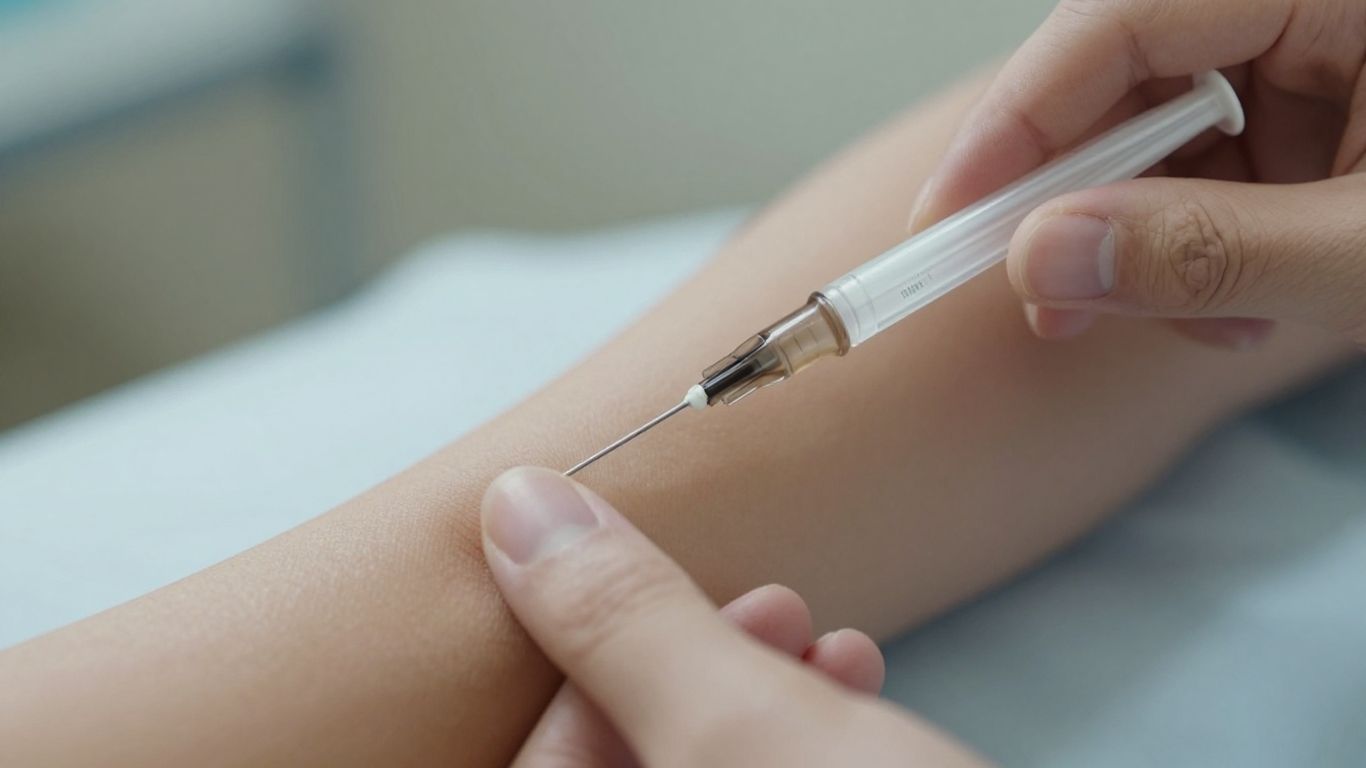
BPC 157 is available in both injectable and oral forms. The injectable route, usually subcutaneous or intramuscular, is often considered more direct and potentially more potent, especially for localized issues. Many users opt for this method when targeting a specific injury. Oral capsules are also an option, offering a more convenient and less invasive approach. However, the absorption and bioavailability of oral BPC 157 can vary, and its effectiveness for certain conditions might differ compared to injections. Research into the precise absorption rates and efficacy of oral forms is ongoing.
Determining the right dosage is a critical aspect of BPC 157 therapy. While there are no universally established clinical guidelines due to its experimental nature, anecdotal evidence and animal studies offer some insights. For injury recovery, protocols often involve daily administration. Doses can range, but many users report success with daily amounts in the microgram to low milligram range, often adjusted based on body weight. For example, a common starting point might be around 250-500 mcg per day for BPC 157. The duration of treatment is also a factor, with many protocols suggesting use for several weeks, typically between 4 to 8 weeks, to allow for significant tissue repair and regeneration. It’s important to remember that these are not medical recommendations, and professional guidance is advised.
Proper administration and dosing are crucial for maximizing the potential benefits of BPC 157. It’s not a one-size-fits-all approach, and individual responses can vary significantly based on the type and severity of the injury, as well as personal health factors.
When planning your BPC 157 therapy, consulting with a qualified healthcare provider in Perth is highly recommended. They can help determine the most appropriate administration method, dosage, and duration based on your specific health needs and recovery goals.
When you start using BPC 157, it’s natural to wonder how long it will take to see results. The timeline for recovery can really vary, depending on a few things like the type of injury, how severe it is, and your own body’s response. It’s not a one-size-fits-all situation.
In the initial one to two weeks, many people report a noticeable decrease in pain and swelling. This early phase is often about calming down the inflammation and creating a better environment for healing to begin. You might start feeling a bit more comfortable, even if the underlying tissue hasn’t fully repaired yet. It’s a sign that the peptide is starting to do its work.
As you move into the four to eight-week mark, the focus shifts more towards actual tissue rebuilding. This is where you might see more significant improvements in mobility and the resilience of the injured area. Think of it as the body laying down new, healthy tissue. This process takes time, and consistency with your BPC 157 regimen is key during this period. Some users find that combining BPC 157 with other recovery methods, like physical therapy, can really speed things up. For those looking into systemic recovery support, BPC-157’s role in tissue repair is a key area of interest.
Several factors can affect how quickly you recover. The severity of your injury is a big one; a minor strain will likely heal faster than a complete ligament tear. Your overall health, including your diet and sleep habits, plays a significant role too. If you’re not fueling your body properly or getting enough rest, healing can slow down. Lifestyle choices, such as continuing strenuous activity too soon, can also set back your progress. It’s important to listen to your body and work with your healthcare provider to set realistic expectations.
Remember that BPC 157 is often used to support the body’s natural healing processes. It’s not a magic bullet, but rather a tool that can potentially help your body recover more efficiently. Patience and a holistic approach to recovery are always recommended.
Here’s a general idea of what some users report:
BPC 157 isn’t a magic bullet on its own, and most people find it works best when paired with other recovery methods. Physical therapy is a big one. Think of BPC 157 as helping to build a stronger foundation for healing, and physical therapy as the process of rebuilding strength and function on that foundation. When you combine them, you might find that your body responds better to the exercises. Tissues that are healing faster can often tolerate more targeted work sooner. This means you might progress through your rehab exercises more quickly and effectively than you would without the peptide. It’s about making the most of your rehab time.
Proper nutrition and adequate rest are always important for healing, but they become even more so when you’re using something like BPC 157. Your body needs the right building blocks to repair itself, and that’s where good nutrition comes in. Think protein for tissue repair, vitamins, and minerals that support cellular processes. Rest is when the actual healing happens. If you’re not getting enough sleep or are overexerting yourself, you’re working against the peptide’s effects. Some users find that combining BPC 157 with a focus on these basics helps them feel better faster. It’s like giving your body all the tools and time it needs to do its job.
For those recovering from surgery, BPC 157 can be considered as a way to support the body’s natural healing processes. It’s not a replacement for surgical care, of course, but it might help speed up the recovery phase. Many people use it alongside prescribed medications and follow-up appointments. The idea is to give the body an extra boost in repairing the tissues that were affected by the surgery. This can potentially lead to a quicker return to normal activities. Remember, though, that any use around surgery should be discussed with your surgeon or doctor first.
When considering BPC 157 alongside other recovery strategies, the goal is to create a supportive environment for your body’s natural healing mechanisms. This means not just relying on the peptide, but actively participating in your recovery through targeted exercise, mindful nutrition, and sufficient rest. The synergy between these elements can lead to more robust and efficient tissue repair.
Here’s a general idea of how people combine therapies:
It’s important to note that this approach is largely based on anecdotal evidence and user experiences, as formal clinical trials are limited. Always consult with a healthcare professional before starting any new therapy, especially when combining treatments.
When considering BPC 157 therapy, it’s important to approach it with a clear understanding of the potential risks and limitations. Because this peptide is still largely experimental, especially in human trials, much of the safety data comes from anecdotal reports and animal studies. This means we don’t have the extensive, regulated information you’d find with FDA-approved medications.
While many users report positive experiences, some adverse effects have been noted. These are generally considered mild, but awareness is key. Some individuals have experienced injection site reactions, such as localized pain, redness, or swelling. Beyond that, general side effects can include nausea or headaches. It’s also worth noting that injecting peptides carries its own set of risks, including the possibility of infection, abscesses, or even damage to nerves or veins if not performed correctly. Always prioritize sterile techniques if administering injections yourself, or seek professional help to avoid issues like blood-borne viruses.
BPC 157 is not currently approved by the FDA for medical use in the United States. This means it’s not subject to the same rigorous testing and oversight as conventional pharmaceuticals. Consequently, the long-term effects of BPC 157 use in humans are not well-documented. Research is ongoing, but the available studies are often limited in scope or focus on animal models. This lack of comprehensive human data means that its efficacy and safety profile are still being explored. The "Wolverine Stack," which often combines BPC 157 with TB-500, also falls into this category of experimental treatments, with anecdotal reports being a primary source of information on potential side effects.
Given the experimental nature of BPC 157, it is absolutely vital to consult with a qualified healthcare professional before starting any treatment. They can help you assess whether BPC 157 is appropriate for your specific situation, discuss potential risks versus benefits, and guide you on safe administration practices. Self-treating with experimental compounds can lead to unforeseen complications. A medical professional can also help monitor your progress and any potential adverse reactions, ensuring your recovery journey is as safe as possible. They can also advise on appropriate dosing protocols based on your individual needs and the latest available (though limited) research.
When thinking about using BPC 157, it’s important to be aware of the safety steps and things to keep in mind. Making sure you understand how to use it correctly is key to getting the most out of it. For more detailed information and to explore your options, visit our website today.
So, we’ve talked a lot about BPC 157 and how it might help with healing. It seems like a pretty interesting option for folks dealing with injuries, especially when things aren’t healing up as fast as you’d like. Remember, though, this stuff isn’t exactly standard medical treatment yet, and there’s still a lot we don’t know for sure about how it works in people and if it’s totally safe long-term. Always chat with a doctor before trying anything new, and don’t forget that good old-fashioned rest, physical therapy, and healthy eating are still super important parts of getting better. Keep that in mind as you figure out the best path for your own recovery.
BPC 157 is a special kind of protein piece, called a peptide. Think of it like a tiny building block that helps your body fix itself. It comes from a natural protein found in your stomach acid. Scientists are looking into how it might help heal different parts of your body, like muscles and tendons, much faster.
BPC 157 seems to help your body in a few ways. It might help grow new tiny blood vessels, which brings more good stuff to the injured spot. It also seems to help make more collagen, which is like the glue that holds your body parts together. All of this helps damaged areas get better faster.
The ‘Wolverine Stack’ is a nickname for using BPC 157 along with another peptide called TB-500. People call it that because, like the superhero Wolverine, it’s thought to help the body heal really fast. The idea is that BPC 157 helps the specific injured spot, while TB-500 helps the whole body recover better.
People often get BPC 157 as a shot, either right near the sore spot or under the skin somewhere else. Some also take it as a pill. While shots might work better for fixing a specific injury, research is still figuring out the best ways for everyone.
It really depends on the injury. Some people feel less pain and swelling within a week or two. Others notice they can move better after a few weeks. For full healing, especially for tough stuff like torn tendons, it might take a month or two, or even longer.
BPC 157 is still being studied, so we don’t know everything about its safety for people yet. Some users have reported minor issues like feeling sick to their stomach or getting headaches. Because it’s not fully approved, it’s super important to talk to a doctor before you think about using it.
 by
by