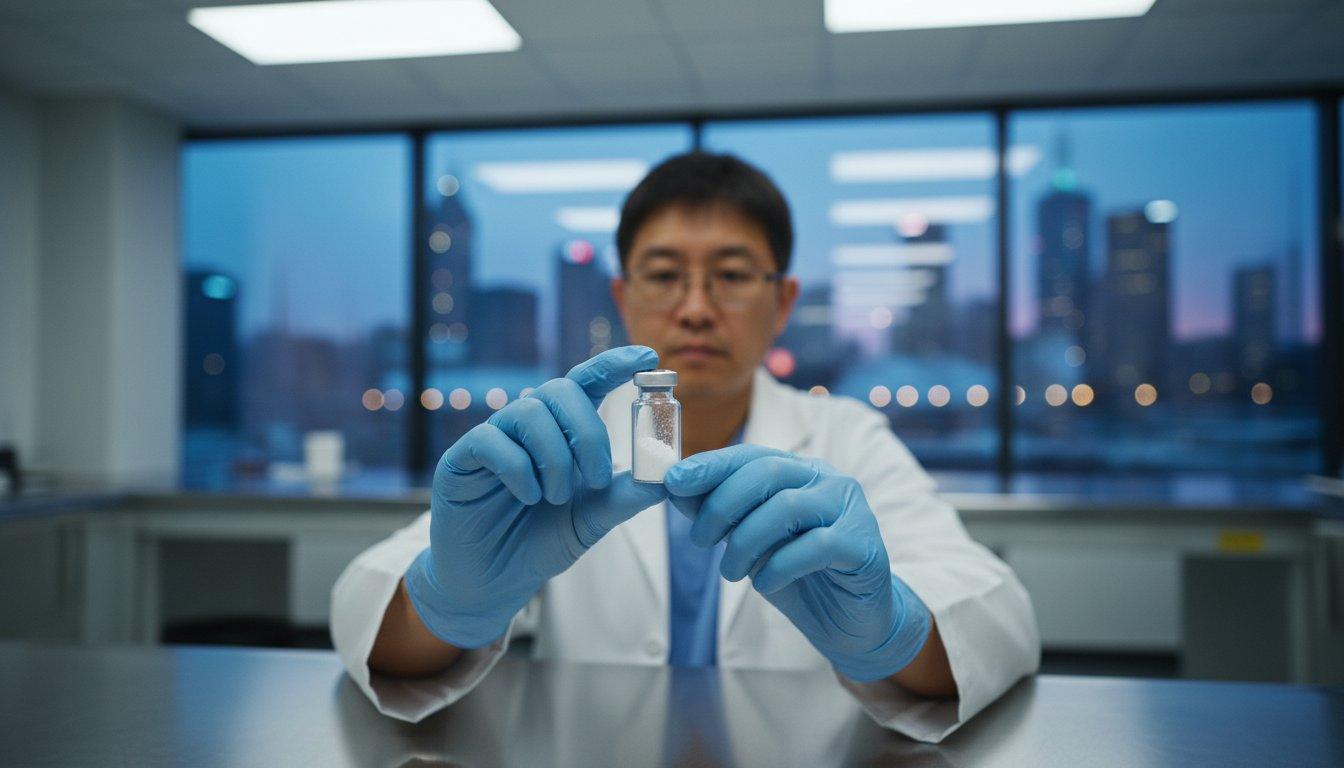
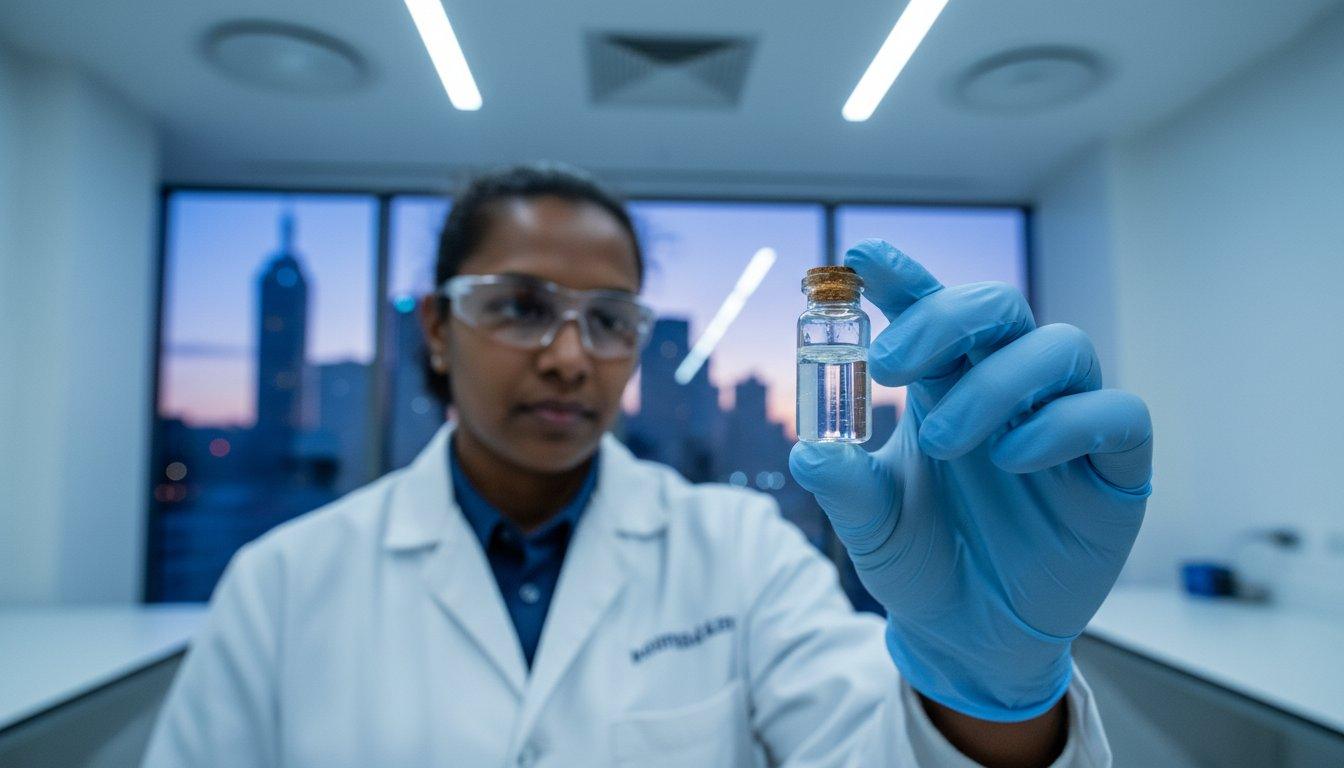
Thinking about Melanotan for a deeper tan without the sun? It’s a synthetic peptide, and people are talking about it online, often calling it the ‘Barbie peptide.’ While it promises a quick tan and even some other effects like appetite suppression, it’s not an approved medication. This means it hasn’t gone through the rigorous testing that regular drugs do to prove they’re safe and effective. So, before you consider using it, it’s important to know what it is, how it works, and what the potential downsides might be. Let’s break down what you need to know about Melanotan.
Key Takeaways
- Melanotan I and II are synthetic peptides meant to darken skin without sun exposure by mimicking natural hormones. Melanotan II is considered more potent and has additional effects.
- These peptides work by stimulating melanin production in skin cells, leading to a tanned appearance. Melanotan II may also affect appetite, metabolism, and libido.
- Common side effects include nausea, flushing, and increased libido. There are also concerns about potential long-term changes in moles and the risk of melanoma, especially for those with a history of skin cancer.
- Melanotan is not approved by regulatory bodies like the FDA or TGA for medical use, meaning its safety, quality, and effectiveness are not guaranteed. It’s often sold illegally online.
- Due to the unapproved status and potential risks, using Melanotan should be approached with extreme caution. Consulting a healthcare professional is advised to discuss safer alternatives and understand the risks involved.
Understanding Melanotan Peptides
Melanotan I and Melanotan II are synthetic compounds that were initially created to help people tan without needing to spend a lot of time in the sun. They work by mimicking a natural hormone in your body called melanocyte-stimulating hormone (MSH). This hormone tells your skin cells to produce more melanin, which is the pigment that gives your skin its color and helps protect it from UV damage. Think of them as artificial versions of something your body already makes, but potentially more potent.
What Are Melanotan I and Melanotan II?
Melanotan I and Melanotan II are both analogs of alpha-melanocyte-stimulating hormone (?-MSH). They were developed with the idea of promoting skin tanning and offering some protection against the sun’s harmful rays. While they share a common goal, there are some differences in their structure and effects. Melanotan I is generally considered to be more focused on tanning and photoprotection, whereas Melanotan II has a broader range of actions.
Melanotan I Versus Melanotan II
When comparing Melanotan I and Melanotan II, it’s helpful to look at their specific characteristics and what they’re used for. Both are designed to increase melanin production, but Melanotan II is known for being more potent and having additional effects beyond just tanning. This increased potency means it can sometimes produce results more quickly or intensely. It’s important to note that Melanotan II is an unlicensed synthetic peptide and its use carries risks.
Here’s a quick look at some key differences:
- Melanotan I: Primarily targets tanning and sun protection. It’s often seen as the more straightforward option for achieving a tan.
- Melanotan II: Offers tanning benefits but also has a wider array of effects. These can include appetite suppression, increased libido, and potential metabolic changes. Because of these additional effects, it’s sometimes referred to by nicknames related to its cosmetic and sexual side effects.
Key Differences and Potency
The main distinction often comes down to potency and the range of effects. Melanotan II is generally considered more potent than Melanotan I. This means a smaller dose of Melanotan II might produce a similar or stronger effect compared to Melanotan I. This increased potency, however, also means that the potential for side effects might be higher with Melanotan II. The specific way these peptides interact with the body’s receptors contributes to these differences in their overall impact.
While both peptides aim to stimulate melanin production, their differing potencies and additional effects mean they are not interchangeable. Users often choose based on whether they are seeking solely tanning benefits or a broader range of physiological responses, though this choice should always be made with a full awareness of the associated risks and the unapproved nature of these substances.
How Melanotan Works and Administration
Melanotan peptides, both Melanotan I and Melanotan II, function by interacting with melanocortin receptors in the body. These receptors play a role in various physiological processes, including skin pigmentation. When these peptides bind to these receptors, they mimic the action of naturally occurring hormones, primarily alpha-melanocyte-stimulating hormone (?-MSH). This stimulation leads to an increase in melanin production within the skin cells, resulting in a darker complexion.
Mechanism of Action
Melanotan peptides are synthetic analogs of ?-MSH. They act as agonists for melanocortin receptors, particularly MC1R, which is found on melanocytes (pigment-producing cells) in the skin. By activating MC1R, Melanotan triggers a cascade of events that results in the synthesis and distribution of melanin. This process is essentially the body’s natural way of protecting itself from UV radiation, and Melanotan essentially amplifies this response. Beyond skin, melanocortin receptors are also present in other tissues, which may explain some of the broader effects observed with these peptides.
Reconstitution and Dosing Guidelines
Melanotan typically comes as a lyophilized (freeze-dried) powder in a vial. Before administration, it needs to be reconstituted. This usually involves adding a specific amount of bacteriostatic water or sterile water to the vial. For example, mixing 5 mL of bacteriostatic water with a 10 mg vial of Melanotan powder results in a concentration of approximately 2000 mcg per mL.
Dosing can vary significantly based on individual goals and tolerance. A common starting protocol involves daily injections for an initial period to build up the desired tan. For instance, a starting dose might be 200 mcg (0.1 mL of a 2000 mcg/mL solution) per day for one to two weeks. Following this loading phase, a lower maintenance dose is typically used, such as 100 mcg (0.05 mL) two to three times per week, to sustain the tan.
It is critical to follow precise measurement and dilution instructions to avoid incorrect dosing.
Injection Technique and Storage
Melanotan is generally administered via subcutaneous injection, meaning it’s injected into the fatty tissue just beneath the skin. Common injection sites include the abdomen, thighs, or buttocks. The area should be cleaned thoroughly with an alcohol swab before injection. A small insulin syringe is typically used for accurate measurement and administration.
After reconstitution, Melanotan solutions are sensitive to heat and light. Refrigeration is essential for storing mixed solutions, and they should generally be used within a specific timeframe, often around 30 days, to maintain potency and sterility. Unmixed, lyophilized powder should be stored in a cool, dry place, away from direct light, until ready for reconstitution.
- Clean the injection site thoroughly.
- Draw the correct dose into an insulin syringe.
- Inject subcutaneously at a 45- or 90-degree angle.
- Dispose of used syringes and needles safely.
Proper handling and administration are paramount to minimize risks associated with Melanotan use. This includes accurate reconstitution, precise dosing, sterile injection techniques, and appropriate storage of both the powder and the mixed solution.
Benefits Beyond Sunless Tanning
While many people turn to Melanotan for a quicker tan, it’s not just about skin color. This synthetic peptide has a few other tricks up its sleeve, affecting things like your body’s natural defenses and even your metabolism. It’s kind of interesting how a substance designed for tanning can have these other impacts.
Enhanced Melanin Production and Photoprotection
Melanotan’s primary function is to boost melanin, the pigment that gives your skin its color. More melanin means your skin naturally darkens, giving you that tanned look without as much sun. But this increased melanin also offers a degree of protection against UV radiation. Think of it as your skin getting a bit more armor against the sun’s rays. This doesn’t mean you can skip sunscreen, though; it’s more like a helpful addition to your sun safety routine. The peptide works by binding to melanocortin receptors, which signals your pigment cells to produce more melanin. This process is similar to what happens naturally when your skin is exposed to UV light, but Melanotan speeds it up and makes it more efficient. This effect is the core reason behind its tanning capabilities and its potential for skin protection.
Immune System Support
Beyond skin deep, Melanotan seems to play a role in supporting the immune system. Research suggests it might help regulate certain immune responses. This could be beneficial for individuals dealing with various immune-related issues, though more studies are needed to fully understand this aspect. The idea is that by influencing melanocortin receptors, which are found not just in skin cells but also in immune cells, the peptide can modulate inflammatory processes and immune cell activity. This is an area that’s still being explored, but it points to Melanotan having a broader biological effect than initially thought.
Metabolic and Libido Enhancements (Melanotan II)
Melanotan II, specifically, has gained attention for effects beyond tanning. Users have reported changes in appetite and metabolism. Some find it helps suppress appetite, which could aid in weight management efforts. There’s also talk about it influencing fat breakdown and potentially improving how the body handles glucose and fats. On top of that, Melanotan II is known to sometimes increase libido. These additional effects are why some people use it for reasons other than just achieving a tan, though it’s important to remember these are often considered off-label uses and come with their own set of considerations and potential side effects.
It’s important to note that while these additional benefits are discussed, they are often secondary effects or specific to Melanotan II. The scientific understanding of these broader impacts is still developing, and they should not be the primary reason for considering the peptide without full medical consultation.
Risks, Side Effects, and Safety Concerns
While the allure of a deep tan without extensive sun exposure is strong, it’s really important to talk about the downsides of using Melanotan. This synthetic peptide isn’t without its potential problems, and understanding these is key before even thinking about using it.
Common Adverse Reactions
Many users report experiencing a range of side effects, some of which can be quite unpleasant. These often depend on the dose, but it’s not uncommon to feel nauseous, especially when you’re first starting out. Flushing of the skin, particularly on the face, is another frequent complaint. Some people also notice an increase in their libido, which might be seen as a benefit by some, but it’s still a physiological change to be aware of. Beyond these immediate reactions, there are longer-term changes to consider.
- Nausea: Often dose-dependent, can be significant.
- Facial Flushing: A common, temporary reddening of the skin.
- Increased Libido: A notable effect for some users.
- Appetite Suppression: Can lead to unintended weight loss.
Potential for Melanoma and Pigmentation Changes
This is where things get a bit more serious. Melanotan works by stimulating melanin production, the pigment that darkens skin. While this is what gives you the tan, it also means it’s affecting your melanocytes, the cells that produce melanin. There’s a theoretical concern that this stimulation could potentially lead to abnormal cell growth, increasing the risk of melanoma, the most dangerous form of skin cancer. While definitive proof linking Melanotan directly to melanoma in humans is still limited, case reports have emerged suggesting a connection, particularly with existing moles changing or new ones appearing. It’s also common to see darkening of existing moles and freckles, or the development of new pigmented spots.
It’s vital to monitor any changes in your skin, especially moles, very closely if you are using Melanotan. Any new or changing spots should be evaluated by a medical professional immediately.
Neurological Effects and Contraindications
Beyond skin-related issues, Melanotan can also have effects on the brain. It can interact with receptors that influence things like appetite and sexual function. Some users have reported spontaneous, prolonged erections (priapism) and excessive yawning. These neurological effects, while not always severe, add another layer of risk. It’s absolutely not recommended for individuals with a history of melanoma or any other skin cancer to use Melanotan. If you have any pre-existing conditions, especially those related to skin health or neurological function, it’s best to steer clear. Because Melanotan II is an unapproved substance, products available online may have inconsistent purity, dosage, and safety standards, making it difficult to predict these effects Melanotan II is an unapproved substance not authorized by the FDA for tanning or cosmetic purposes. Products available online may have inconsistent purity, dosage, and safety standards.
| Potential Neurological Effects |
|---|
| Priapism (prolonged erections) |
| Excessive yawning |
| Nausea and vomiting |
| Changes in mood or behavior (rare) |
The Legal and Social Landscape of Melanotan
Unapproved Status and Market Availability
Melanotan, including both Melanotan I and II, has not received approval from major regulatory bodies like the U.S. Food and Drug Administration (FDA) or Australia’s Therapeutic Goods Administration (TGA) for any medical use. The development of these peptides as potential medicines was discontinued years ago due to safety concerns. Despite this, Melanotan products are readily available on the black market, often sold online through various websites. These products are typically marketed as research chemicals or for cosmetic purposes, bypassing official drug approval processes. The lack of regulatory oversight means that the purity, potency, and safety of these unregulated products are highly questionable.
Social Media Promotion and Warnings
Social media platforms have become a significant avenue for the promotion of Melanotan. Influencers and users frequently share testimonials and visual evidence of their tanning results, often accompanied by claims of other benefits like appetite suppression. This widespread promotion, sometimes using hashtags like #tanningnasalspray or #melanotan2, has contributed to its popularity, particularly among younger demographics seeking rapid tanning results. However, these platforms also host warnings from medical professionals and regulatory bodies about the serious health risks associated with Melanotan use. Despite efforts by platforms to remove such content and ban related hashtags, promotional material often reappears using alternative phrasing or less obvious tags, making it challenging to fully control.
Risks of Unregulated Products
Using Melanotan obtained from unregulated sources carries substantial risks. Since these products are not approved by health authorities, there is no guarantee of their quality or safety. Users may unknowingly purchase products that are contaminated, contain incorrect dosages, or are entirely different substances. This lack of quality control significantly increases the likelihood of experiencing adverse side effects, some of which can be severe and long-lasting. The clandestine nature of the Melanotan market means that consumers have little recourse if they encounter problems with the products they purchase.
The ease with which Melanotan can be acquired online, coupled with its appealing cosmetic effects, creates a dangerous combination. Users are often drawn in by the promise of a quick tan without fully understanding the potential health implications or the unreliable nature of the products they are obtaining.
Key Concerns with Unregulated Melanotan:
- Unknown Purity: The actual chemical composition and purity of the product are not verified.
- Inconsistent Potency: The concentration of the active ingredient can vary significantly between batches and suppliers.
- Contamination Risks: Products may contain harmful contaminants or impurities from the manufacturing or handling process.
- Lack of Safety Data: There is no reliable data on the long-term effects of using these unregulated substances.
- Misleading Marketing: Products are often marketed with unsubstantiated claims about safety and efficacy.
Evaluating the Use of Melanotan
Weighing Tanning Benefits Against Risks
When considering Melanotan, it’s important to look at what you stand to gain versus what you might risk. On one hand, it offers a way to achieve a tanned appearance without prolonged sun exposure, which can be appealing for many. This synthetic peptide works by stimulating melanin production, the same pigment that darkens skin in response to sunlight. However, this process isn’t without its potential downsides. The desire for a tan needs to be carefully weighed against the documented side effects and the unknown long-term consequences of using an unregulated substance.
Importance of Medical Supervision
Using Melanotan, especially without professional guidance, carries significant risks. The peptide can cause a range of adverse reactions, from common issues like nausea and flushing to more serious concerns. It is strongly advised that any consideration of using Melanotan should involve consultation with a qualified healthcare provider. They can assess your individual health status, discuss potential interactions with existing conditions or medications, and monitor for any adverse effects. Without this oversight, users are essentially experimenting on themselves, which can lead to unforeseen health problems.
Alternatives for Tanning and Skin Health
Fortunately, there are safer ways to achieve a tanned look and maintain skin health. For those seeking a temporary tan, self-tanning lotions and sprays offer a viable option without the systemic effects of peptides. These products work by interacting with the dead skin cells on the surface, creating a tanned appearance that fades gradually. For long-term skin health and protection, consistent use of broad-spectrum sunscreen is paramount. Regular skin checks with a dermatologist are also recommended to monitor for any changes in moles or the development of new ones, a concern often linked to Melanotan use. Exploring these alternatives can help you achieve your aesthetic goals while prioritizing your well-being.
Here’s a quick look at some alternatives:
- Self-Tanning Products: Lotions, mousses, and sprays that provide a temporary tan. They are widely available and generally safe for topical use.
- Sunscreen: Daily application of broad-spectrum SPF 30 or higher is crucial for protecting skin from UV damage.
- Professional Skin Checks: Regular visits to a dermatologist can help detect skin issues early.
The allure of a quick tan from Melanotan can be strong, but the potential health implications, including the risk of melanoma, cannot be ignored. Prioritizing safety through established methods and professional medical advice is always the wisest course of action when it comes to your health.
Thinking about using Melanotan? It’s important to understand what you’re getting into. Our "Evaluating the Use of Melanotan" section breaks down the key points you need to know before making a decision. We cover the basics and help you weigh the pros and cons. Want to learn more about safe and effective options? Visit our website today for a deeper dive!
Final Thoughts on Melanotan
So, we’ve talked a lot about Melanotan, from how it works to the potential upsides and the definite downsides. It’s clear this synthetic peptide isn’t just about getting a tan; it has other effects too, some of which people find appealing. But the risks, especially concerning skin health and other side effects, are significant. It’s really important to remember that Melanotan isn’t approved for use by health authorities for good reason. If you’re thinking about peptides for tanning or any other reason, it’s best to chat with a healthcare professional. They can help you understand what’s safe and what’s not, and guide you toward options that are actually tested and approved.
Frequently Asked Questions
What exactly is Melanotan?
Melanotan is a man-made substance that imitates a natural hormone in your body. It’s designed to make your skin produce more melanin, the stuff that makes your skin darker, giving you a tan without needing a lot of sun. There are two main types, Melanotan I and Melanotan II, and they were first created to help people tan and protect their skin from the sun.
How does Melanotan give you a tan?
Melanotan works by telling your skin cells to make more melanin. Melanin is the pigment that gives your skin its color. When your skin makes more of it, it naturally gets darker, creating a tanned look. This happens because Melanotan tricks your body into thinking it needs to protect itself from the sun, even if you haven’t been outside much.
Are there different kinds of Melanotan, and do they do different things?
Yes, there are two main types: Melanotan I and Melanotan II. Both help you tan and offer some protection from the sun. However, Melanotan II is known to be stronger and can also affect your appetite, potentially helping with weight loss, and may boost your sex drive. It’s sometimes called the ‘Barbie drug’ because of these extra effects.
What are the risks or side effects of using Melanotan?
Using Melanotan can lead to several side effects. Common ones include feeling sick, facial flushing (your face getting red and warm), and sometimes an increased sex drive. More serious concerns include changes in moles, potential links to skin cancer like melanoma, and other effects on the brain. It’s important to know that these products haven’t been fully tested for safety.
Is Melanotan approved for use, and where can people get it?
Melanotan is not approved by health authorities like the FDA or TGA for medical use. This means it hasn’t gone through the strict testing needed to ensure it’s safe and effective. Despite this, it’s often sold online and promoted on social media, but buying and using it carries significant risks because its quality and purity are not guaranteed.
Should I consider using Melanotan for tanning?
Given that Melanotan is not an approved medication and carries potential health risks, it is generally not recommended for use. Safer alternatives for achieving a tanned appearance include self-tanning lotions or sprays. If you are considering using any peptide or are concerned about your skin health, it is always best to consult with a healthcare professional.

 Are you over 18 years old?
This website requires you to be 18 years or older to enter our website and see the content.
Are you over 18 years old?
This website requires you to be 18 years or older to enter our website and see the content.


 by
by