Best Peptides for Fat Loss Research 2026: A Comparative Guide
Why are 68% of metabolic studies still struggling to differentiate between simple appetite suppression and genuine cellular lipolysis? You’ve likely...
 Are you over 18 years old?
This website requires you to be 18 years or older to enter our website and see the content.
Are you over 18 years old?
This website requires you to be 18 years or older to enter our website and see the content.

Thinking about using GHK-Cu peptide injections? It’s a peptide that’s gotten a lot of attention lately, and for good reason. It seems to do a lot of good things for the body. But, like with any treatment, knowing how much to use and how to use it is super important. We’re going to break down the typical ghk-cu peptide injection dosage per day, looking at why certain amounts are used and how to figure out what might be best for you. It’s not just about picking a number; it’s about understanding the whole process.
When considering GHK-Cu peptide injections, understanding the correct dosage per day is key to achieving the desired outcomes. It’s not just about picking a number; it’s about following a structured approach that allows your body to respond effectively. The standard protocol is designed to work with your body’s natural processes, not against them.
The typical GHK-Cu protocol spans 30 days, divided into two distinct phases. This phased approach helps your body adapt to the peptide’s signaling.
After completing the 30-day cycle, a 30-day rest period is recommended before starting another cycle. This break is important for maintaining receptor sensitivity and the overall effectiveness of the peptide over time. Consistent daily application is important; sporadic use can diminish the benefits for GHK-Cu to be effective.
The increase in dosage from 1 mg to 2 mg per day in the second half of the cycle isn’t arbitrary. GHK-Cu works through cumulative tissue exposure and signaling, rather than by achieving a high concentration at a single point in time. Starting with a lower dose allows the cellular machinery to prepare and respond appropriately. The subsequent increase then builds upon this foundation, reinforcing the beneficial signals for processes like collagen synthesis and cellular repair. This method aims for sustained, gradual adaptation rather than a sudden, potentially less effective, surge.
The cumulative nature of GHK-Cu’s action means that consistent daily application is more important than the peak concentration achieved at any one time. The phased dosing strategy is built around this principle, allowing for a more robust and lasting response.
Within the standard protocol, GHK-Cu is administered once daily. Splitting the dose or attempting multiple injections per day is not part of the established protocol and may not yield better results. The focus is on consistent daily signaling. For optimal absorption and to minimize potential discomfort, injections are typically recommended to be taken before bedtime, at least two hours after your last meal. This timing allows the body to focus on repair and regeneration during its natural rest period.
Figuring out the right amount of GHK-Cu to inject can feel a bit tricky at first, especially with all the different ways doses are talked about. It’s not like just grabbing a pill off the shelf; you’ve got to be precise. Getting the dosage right is key to seeing the effects you’re hoping for without any unnecessary fuss. Let’s break down how to do it.
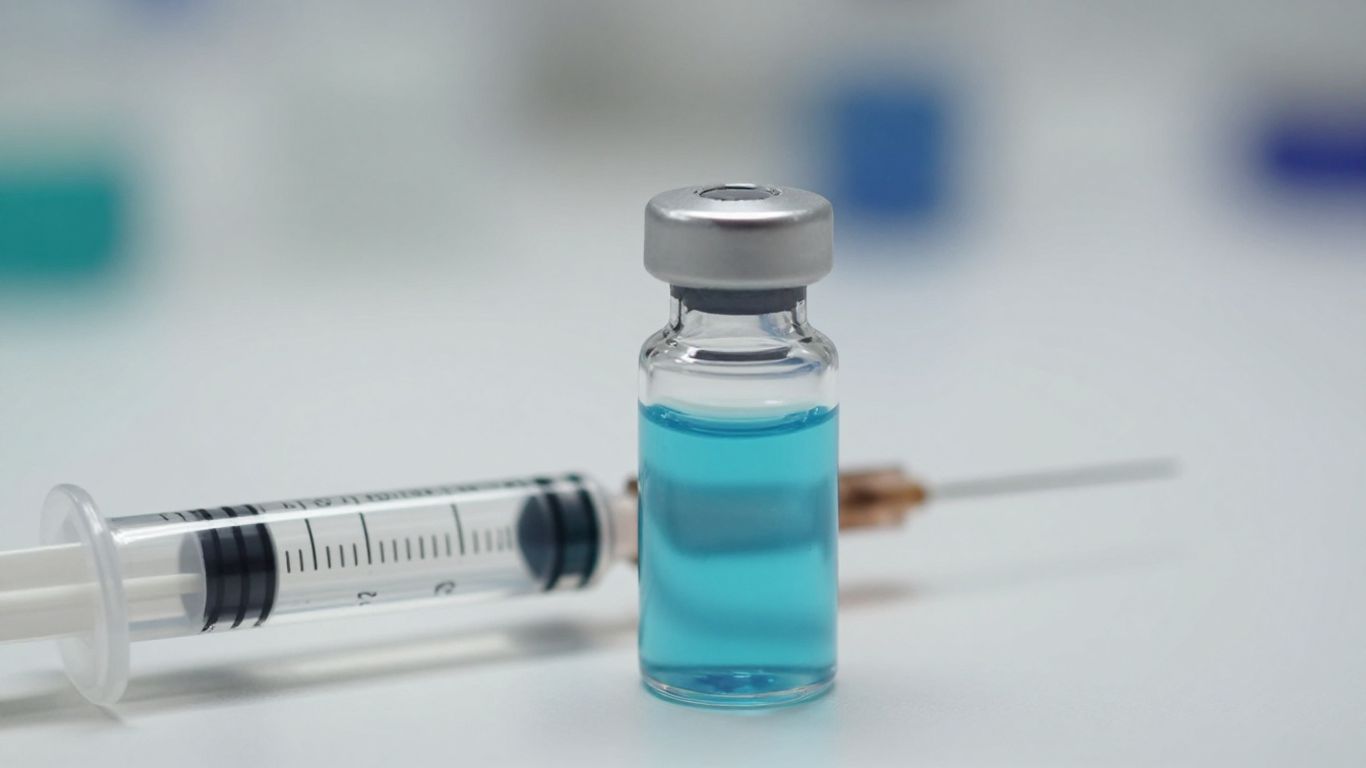
When you get your GHK-Cu, it usually comes as a dry powder. You can’t inject it like that, so you need to mix it with a liquid, a process called reconstitution. The most common way is to use bacteriostatic water. A standard approach is to add 2 mL of this water to a vial of GHK-Cu. This mix creates a solution where, for example, 0.5 mg of peptide is present in every 1 mL of liquid. This concentration is important because it’s what allows you to measure out specific doses using an insulin syringe.
You’ll see GHK-Cu doses mentioned in different units, like milligrams (mg), micrograms (mcg), or even as units on an insulin syringe. It’s super important to know how these relate so you don’t accidentally take too much or too little.
Always confirm the concentration of your reconstituted peptide solution before drawing up your dose.
What works for one person might not be exactly right for another. Several things can affect the best dose for you:
It’s worth remembering that GHK-Cu works by signaling to your body’s cells. It’s not about reaching a super high level in your blood all at once, but more about consistent exposure over time. This is why the phased approach, with a potential increase in dose during the second half of a cycle, is often used. It allows your tissues to get used to the signal before you ask for a stronger response.
When considering GHK-Cu injections, a structured, phased approach is often recommended to allow your body to adapt and respond effectively. This isn’t a ‘one-size-fits-all’ situation, and starting gradually can make a big difference in how well you tolerate and benefit from the peptide. Think of it like building up your tolerance to a new workout routine; you don’t start with the heaviest weights, right? The same principle applies here.
The first 15 days of a GHK-Cu cycle typically focus on introducing the peptide to your tissues at a lower, manageable dose. This initial phase is about establishing a baseline exposure without overwhelming your body’s signaling pathways. The goal is to get your cells acquainted with the peptide’s presence and begin the subtle work of repair and regeneration. For many, this means a daily injection of 1 mg, often administered subcutaneously. This gentle introduction helps minimize potential initial side effects and allows for a smoother transition into higher doses later on. It’s important to follow the recommended reconstitution and injection techniques precisely during this phase to ensure accurate dosing and absorption. Remember, consistency is key, and sticking to the daily schedule helps build that cumulative effect.
Once you’ve completed the initial 15 days, the protocol usually moves into Phase Two. This is where the dosage is typically increased, often to 2 mg per day, for the remaining 15 days of the cycle. The rationale behind this escalation is to reinforce the signaling pathways that were initiated in Phase One. GHK-Cu’s effectiveness is thought to be cumulative, meaning it builds over time with consistent exposure. By increasing the dose, you’re essentially amplifying the peptide’s message to your cells, encouraging more robust collagen synthesis, improved cell turnover, and a stronger anti-inflammatory response. This phase aims to deepen the benefits observed in the first half of the cycle, leading to more noticeable results in skin texture and overall tissue health. This dose escalation is a deliberate step to maximize the peptide’s regenerative potential.
After completing the 30-day injection cycle, a crucial rest period of 30 days follows. This break is not just a suggestion; it’s an integral part of the GHK-Cu protocol. The peptide works by signaling to your cells, not by accumulating in your system indefinitely. Continuous dosing without a break can lead to receptor desensitization, diminishing the peptide’s effectiveness over time. This rest period allows your body’s natural signaling mechanisms to reset and become more receptive to the peptide when the next cycle begins. It helps prevent tolerance buildup and ensures that subsequent cycles remain potent. Think of it as giving your cellular communication lines a chance to clear and reset, making them more responsive when the GHK-Cu signal is sent again. Skipping this rest period can undermine the long-term benefits of your GHK-Cu therapy.
A phased approach, starting with lower doses and gradually increasing, followed by a dedicated rest period, is designed to optimize GHK-Cu’s regenerative effects while minimizing potential desensitization and side effects. This structured method respects the peptide’s signaling mechanism and promotes sustained benefits over time.
When you decide to use GHK-Cu via injection, doing it the right way is super important. It’s not just about getting the peptide into your body; it’s about making sure it’s done safely and effectively. This means paying attention to how you inject, where you inject, and what to do if something feels off.
Subcutaneous injection means you’re putting the peptide just under the skin, not deep into the muscle. Think of the abdomen, usually around the belly button area, as a good spot. You’ll want to clean the area first with an alcohol swab and let it dry. Then, gently pinch a bit of skin to create a small fold. The needle, usually from an insulin syringe, goes in at about a 45-degree angle. Push the plunger down slowly to get the full dose in. It’s really about being gentle and precise.
Rotating your injection sites is a key part of safe administration. If you inject in the same spot every time, you can develop lumps or dents in the fatty tissue. This is called lipodystrophy, and it’s best avoided. By moving to a different spot on your abdomen each day, you give the tissue time to recover and absorb the peptide properly. This helps prevent any local tissue buildup and ensures the peptide can work as intended. It’s a simple step that makes a big difference in how well the injections are tolerated over time. You can find more details on why this is important here.
While self-administration is common, knowing when to ask for help is important. If you experience any significant redness, swelling, pain that doesn’t go away, or signs of an allergic reaction after injecting, it’s time to consult a healthcare professional. Also, if you’re unsure about the reconstitution process, drawing the correct dose, or the injection technique itself, seeking guidance from a clinician is a smart move. They can provide hands-on training and address any concerns you might have, especially if you’re new to peptide injections. Remember, advanced users often work with knowledgeable clinicians who can monitor things like copper levels, which is a good indicator of how your body is handling the peptide.
It’s always better to be cautious. If you’re ever in doubt about your GHK-Cu injections or notice anything unusual, reaching out to a doctor or a peptide-informed healthcare provider is the safest course of action. They can offer personalized advice and ensure you’re proceeding correctly.
When you’re thinking about GHK-Cu, how you get it into your body really changes how much of it actually works. It’s not like a one-size-fits-all situation. The way a peptide gets absorbed, or its bioavailability, is super important. Injecting it, for example, puts it right into your bloodstream, so your body gets a lot of it. This is why injections are often seen as the most direct route for systemic effects. Topicals, on the other hand, have to go through your skin. This means less gets absorbed, and what does get in might be more focused on the skin itself. Oral forms are even trickier because your stomach acids can break down a lot of the peptide before it even has a chance to be absorbed. So, the method you choose directly impacts how much peptide your body can actually use.
Because of these bioavailability differences, you can’t just use the same amount of GHK-Cu for every method. If you’re injecting, you’ll use a much smaller amount (measured in milligrams) compared to what you might use in a topical cream or serum (often measured as a percentage concentration). Using an injection dose in a topical product would be way too much and likely wasteful, while using a topical concentration for injection wouldn’t provide enough of a signal. It’s all about getting the right amount to where it needs to go. For instance, a common injectable dose might be 1-2 mg daily, but a facial serum might be formulated at 1-2% concentration. It’s a bit like using a different measuring cup for different ingredients.
Thinking about cost is also part of the picture. Injectable GHK-Cu, while offering high bioavailability, can sometimes be more expensive upfront due to the need for sterile supplies and potentially higher peptide concentrations per vial. However, because you’re using smaller amounts per dose, a vial might last longer than you’d expect. Topical applications, like serums or creams, might seem more affordable per product, but you often need to use them consistently over longer periods to see results, and you might go through products faster. Oral options can vary wildly in price depending on the formulation and technology used to improve absorption. Ultimately, the most ‘cost-effective’ method is the one that gives you the desired results for your specific goals without breaking the bank, considering both the price of the product and the amount you need to use over time.
Here’s a general idea of how doses might compare, though always follow specific protocol guidelines:
| Delivery Method | Typical Dose/Concentration | Frequency | Notes |
|---|---|---|---|
| Subcutaneous Injection | 1-2 mg | Once daily | Highest bioavailability, systemic effects |
| Topical Application | 1-2% (serum/cream) | Once or twice daily | Localized effects, skin penetration varies |
| Oral (e.g., troche) | Varies (formulation dependent) | Once daily | Lower bioavailability, convenience factor |
It’s really important to remember that GHK-Cu isn’t just about the number on the bottle or in the syringe. It’s about how that number translates into actual peptide reaching your cells. Mismatching your dose to your delivery method is a common reason people don’t see the results they hoped for, even with a good peptide like GHK-Cu. Precision here makes a big difference.
While GHK-Cu is generally considered safe, especially when used topically, understanding potential side effects and safety precautions is important for responsible use. Most issues are minor and temporary, but certain conditions warrant caution or avoidance.
When GHK-Cu is administered via injection, localized reactions at the injection site can occur. These are typically not serious and resolve on their own.
These reactions usually subside within a few hours to a day. Rotating injection sites can help minimize repeated irritation in the same area.
Certain health conditions mean GHK-Cu might not be suitable. It’s always best to consult with a healthcare provider if you have any pre-existing conditions.
While GHK-Cu has a good safety record, it’s not a universal solution. Awareness of contraindications is key to preventing adverse outcomes. Always discuss your health status with a medical professional before starting any new supplement or peptide protocol.
Paying attention to how your body responds is part of safe peptide use. While severe adverse effects are rare with standard GHK-Cu protocols, being aware of what to look for can help.
If you experience any side effects that are concerning or do not resolve, it is advisable to reduce the dosage or discontinue use and consult with a healthcare professional.
While exploring our products, it’s important to be aware of any potential side effects or safety concerns. We want you to feel confident and informed about your choices. For detailed information on this topic, please visit our website.
So, we’ve gone over how to figure out the right amount of GHK-Cu to use each day. Remember, it’s not just about picking a number; it’s about following a plan that builds up over time. Starting slow and then increasing the dose, like in the 30-day cycle, seems to be the way to go for best results. And don’t forget that rest period between cycles – it’s pretty important for keeping things working right. Always stick to the recommended amounts and methods, and if you’re ever unsure, it’s best to check with a professional. Getting the dosage right is key to seeing the benefits you’re looking for.
A common starting point is 1 milligram (mg) each day for the first 15 days. After that, the dose often increases to 2 mg per day for the next 15 days. This approach helps your body get used to the peptide before increasing the amount.
Increasing the dose in the second half of the cycle is like giving your body a stronger nudge. It helps to boost the effects that started in the first phase, making the benefits more noticeable. It’s about building up the signal over time.
No, the usual plan is to inject GHK-Cu only once a day. Splitting the dose or taking more than one shot isn’t part of the standard plan and might not lead to better results. The peptide works best when it builds up gradually.
If you miss a day, just skip that dose and continue with your regular schedule the next day. Don’t try to make up for the missed dose by taking extra later. It’s better to keep the timing consistent.
GHK-Cu usually comes as a powder that needs to be mixed with sterile water, often called bacteriostatic water. You’ll typically mix 2 milliliters (mL) of water with the powder. This creates a liquid solution that you can then measure for your injection.
Yes, it’s important to know that injectable GHK-Cu is generally for more experienced users. If you have conditions like Wilson’s disease, which affects copper levels, or certain other health issues, you should avoid it. It’s always best to talk to a doctor before you begin.
 by
by