Best Peptides for Fat Loss Research 2026: A Comparative Guide
Why are 68% of metabolic studies still struggling to differentiate between simple appetite suppression and genuine cellular lipolysis? You’ve likely...
 Are you over 18 years old?
This website requires you to be 18 years or older to enter our website and see the content.
Are you over 18 years old?
This website requires you to be 18 years or older to enter our website and see the content.

Thinking about getting a tan without spending hours in the sun? You might have heard about Melanotan, often discussed in the context of ‘Melanotan Aus’. It’s a synthetic drug that’s supposed to help you get a darker skin tone. But before you jump into buying it, especially online, it’s really important to understand what you might be getting into. There are potential benefits people talk about, sure, but there are also some pretty serious risks and health concerns that health authorities are warning about. We’re going to break down what Melanotan is, why people use it, the dangers involved, and what safer options are out there for achieving that sun-kissed look.
Melanotan is a name given to a couple of synthetic substances that act like a natural hormone in your body called alpha-melanocyte-stimulating hormone (?-MSH). This hormone is involved in things like skin color and even appetite. The idea behind Melanotan is to get your body to produce more melanin, the pigment that makes your skin darker, without having to spend a lot of time in the sun. It’s often sold online, and people use it hoping to get a tan.
There are two main versions people talk about: Melanotan I and Melanotan II. Melanotan I, sometimes called Afamelanotide, was first looked at for tanning, but it’s also been approved for certain medical issues related to sun sensitivity. Melanotan II is also used for tanning, but it’s been studied for other things too, like helping with sexual function. They both work by trying to boost melanin production, but they can have slightly different effects and side effects.
When you use Melanotan, it’s usually injected under the skin. Once it’s in your system, it tells special cells in your skin, called melanocytes, to make more melanin. This is the same pigment that gets darker when you’re out in the sun. So, instead of UV rays telling your skin to make melanin, the Melanotan does it. This process can lead to your skin gradually darkening over a week or two. Because Melanotan II can also affect other parts of your body, like your brain, it can sometimes cause other effects besides tanning, such as changes in appetite or libido.
People who use Melanotan often talk about a few key advantages. The main draw seems to be the idea of getting a tan without having to spend hours in the sun or use tanning beds. This is especially appealing for those who have very fair skin and tend to burn easily, or for individuals who are concerned about the long-term effects of UV exposure on their skin. It’s presented as a way to achieve a certain look with less risk.
The primary advertised benefit of Melanotan is its ability to stimulate melanin production. Melanin is the pigment that gives skin its color and offers some natural protection against UV rays. By boosting melanin levels, Melanotan aims to help users develop a deeper skin tone that resembles a natural tan. This process is said to occur with significantly less, or sometimes no, direct sun exposure. For many, this means they can achieve a desired complexion while theoretically reducing their exposure to harmful ultraviolet radiation, which is linked to premature aging and skin cancer. It’s a way to get that sun-kissed look without the sunburn.
Beyond the tanning aspect itself, users often mention the convenience factor. Instead of planning beach days or regular tanning salon visits, Melanotan is administered via injection, and the tanning process happens gradually over time. This means less active effort is required from the user to maintain their tan. Some find this method much simpler than traditional tanning routines, fitting more easily into busy schedules. It’s about getting the results without the usual hassle.
While tanning is the main goal, some users report other effects from using Melanotan, particularly with Melanotan II. These can include a decrease in appetite, which some find helpful for weight management. Another commonly mentioned effect is an increase in libido and sexual arousal. These additional effects are thought to be related to how Melanotan interacts with different receptors in the body beyond those involved in skin pigmentation. It’s important to note that these effects can vary greatly from person to person and are not the primary reason most people seek out the product, though they are often discussed in user forums. These off-target interactions are a significant part of the conversation around Melanotan’s overall impact.
The appeal of Melanotan lies in its promise of an aesthetic change with added physiological perks, all while attempting to bypass the known dangers of UV radiation. However, the unregulated nature of many products means these purported benefits come with significant unknowns regarding safety and consistency.
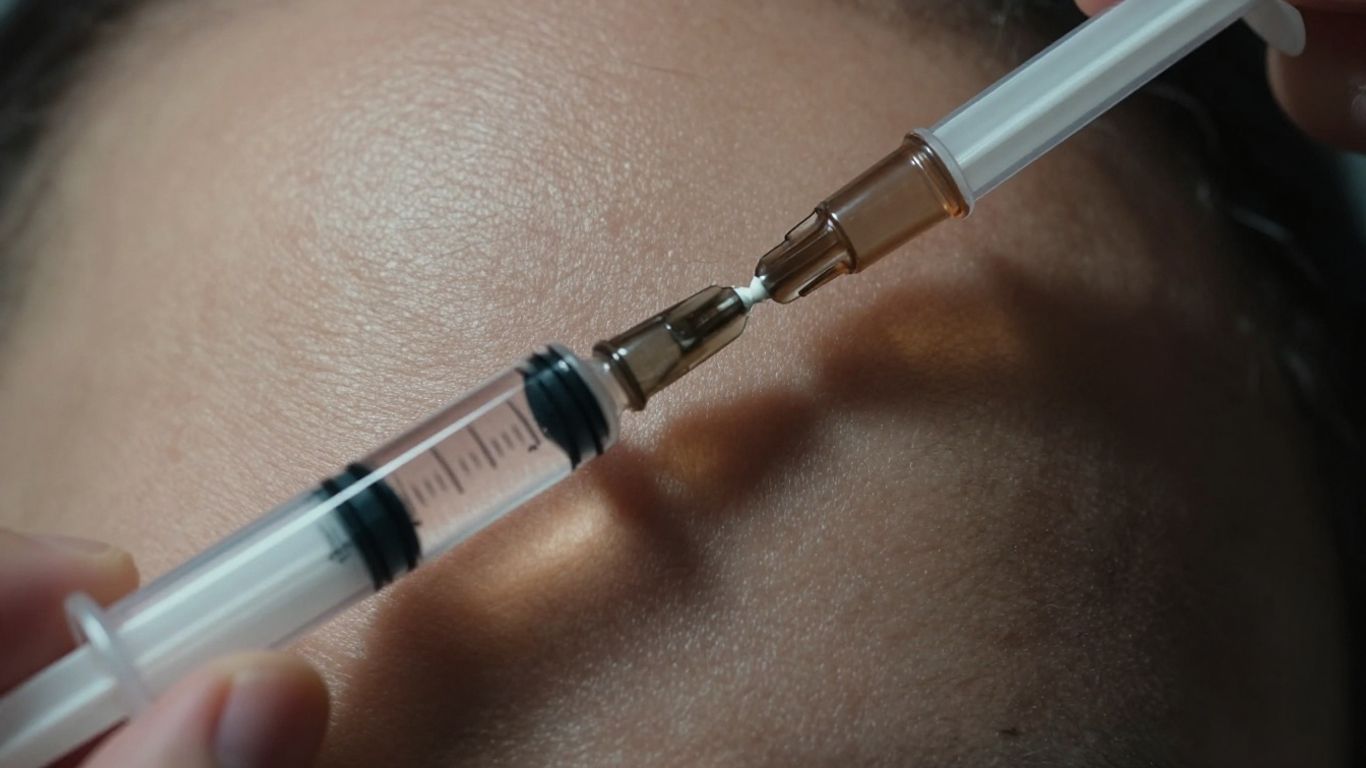
Using Melanotan, especially products bought online, comes with a bunch of potential problems you really need to think about. Because these aren’t approved by health authorities like the TGA in Australia, there’s no guarantee about what’s actually in them or how pure it is. This is a big deal.
When you buy Melanotan from unofficial sources, you’re basically taking a gamble. You don’t know the exact concentration of the active ingredient, if it’s contaminated with other substances, or even if it’s the right chemical at all. This lack of oversight means the product could be weak, too strong, or contain harmful impurities. This uncertainty is a major red flag for anyone considering using it.
Lots of people who use Melanotan report experiencing unpleasant side effects. These can pop up pretty quickly after use and vary from person to person. Some of the more common ones include:
This is where things get really serious. Melanotan works by increasing melanin production, which is your skin’s natural defense against UV damage. However, by artificially boosting melanin, there’s a concern that it could mask or even contribute to the development of skin cancers, like melanoma. Any significant change in moles or skin pigmentation should be checked by a doctor, especially if you have risk factors for skin cancer. It’s tricky because the darkening effect could hide a developing melanoma, delaying diagnosis.
The stimulation of melanin production, while intended to provide a tan, raises questions about its long-term impact on skin health. The potential for masking early signs of skin cancer is a significant concern that cannot be overlooked when considering the use of unregulated tanning agents.
It’s also worth noting that while Melanotan might offer a tan without UV exposure, it doesn’t make your skin immune to sun damage. You still need to be careful with sun protection.
When it comes to Melanotan in Australia, things are pretty clear-cut from a regulatory standpoint. The Therapeutic Goods Administration (TGA) has taken a firm stance on this synthetic peptide, and it’s important to understand what that means before you even think about buying it.
The TGA has not approved Melanotan for sale or use in Australia. This isn’t just a suggestion; it’s a formal position based on the lack of proven safety and efficacy. The TGA has explicitly warned the public against using Melanotan products, especially those sourced from online or unverified suppliers. They consider it an unapproved substance, and its importation and sale are restricted. The agency actively works to remove such products from the market. Experts are issuing a warning about a concerning tanning trend involving Melanotan, a synthetic peptide not approved for sale or use in Australia. The Therapeutic Goods Administration (TGA) has cautioned against its use, as it artificially increases melanin production. This trend poses potential health risks due to the unapproved nature of the substance.
In Australia, Melanotan II is classified as a Schedule 4 prescription-only medicine. This means that legally, it can only be obtained with a prescription from a licensed healthcare provider. However, the reality is that many people acquire it through unofficial channels, bypassing this legal requirement. This unregulated access is where a lot of the risk comes in, as the TGA has seized significant quantities of illegal Melanotan imports, highlighting the dangers of these unapproved substances.
Using any substance that hasn’t been approved by regulatory bodies like the TGA carries inherent risks. For Melanotan, these risks are amplified because:
It’s crucial to remember that the allure of a quick tan shouldn’t overshadow the potential health dangers. Relying on unapproved substances bypasses established safety protocols designed to protect consumers.
Social media platforms have also been a focus for the TGA, as advertising and supply of Melanotan-II are illegal. While platforms have taken steps to remove content promoting these products, they continue to appear, often using coded language or hashtags to evade detection. This makes it challenging for regulatory bodies to fully control the spread of information and access to these substances.
When people talk about using Melanotan, especially online, you hear all sorts of things. Some users share really positive stories, often on forums or social media. They talk about finally getting that deep tan they always wanted without spending hours in the sun or using tanning beds. For many, especially those with fair skin who tend to burn, this is a big deal. Some even mention feeling more confident with their appearance after using it. Beyond the tan, a surprising number of people report an increase in libido and sexual function. This seems to be a common, almost expected, side effect for some users, particularly men. A few also mention a slight decrease in appetite, which they see as a bonus for weight management.
However, it’s not all positive feedback. A significant number of users report experiencing unpleasant side effects. Nausea is probably one of the most frequently mentioned issues, sometimes accompanied by vomiting or stomach cramps. This seems to happen more when people first start using it or if they take too much. Another common observation is changes in moles and freckles. Melanotan stimulates melanin production, so existing moles can get darker, and new ones might appear. While some users don’t mind this, it can be concerning because it might make it harder to spot changes in moles that could be a sign of skin cancer.
Here’s a quick look at some commonly reported side effects:
Some users also mention feeling flushed or experiencing headaches. There are also reports of more serious concerns, though these seem less common. Some individuals have noted changes in their heart rate or blood pressure. It’s hard to say for sure how much of this is directly from the Melanotan and how much is due to the unregulated nature of the products people are buying. Since these products aren’t tested or approved, there’s no guarantee of what’s actually in them or how pure they are. This inconsistency in product quality likely contributes to the wide range of experiences people have.
The subjective nature of these testimonials means they should be viewed with caution. What one person experiences can be very different for another, and it’s difficult to separate genuine effects from placebo or the impact of other lifestyle factors. Relying solely on anecdotal evidence for a substance with potential health implications is risky.
It’s also worth noting that while some users report positive outcomes, the potential for serious health issues, especially with long-term or improper use of unverified products, cannot be ignored. The lack of regulation means there’s no oversight on dosage, purity, or safety, leaving users to navigate these risks on their own.
For those who desire a tanned appearance without the risks associated with UV exposure or unapproved injectables like Melanotan, several safer options are readily available. These alternatives focus on cosmetic enhancement rather than altering your body’s natural processes, offering a more predictable and secure way to achieve a bronzed look.
These products, often found in lotions, mousses, sprays, and wipes, are designed for at-home application. They typically contain Dihydroxyacetone (DHA), a colour additive that reacts with the dead cells on the outermost layer of your skin to temporarily darken it. The effect is purely cosmetic and wears off as your skin naturally exfoliates.
For a more uniform and professional finish, consider visiting a salon for a spray tan. Trained technicians use specialized equipment to apply a tanning solution evenly over your body. This method offers a controlled application, reducing the likelihood of streaks or patches that can occur with at-home products.
While sunless tanners provide a cosmetic tan, they do not offer any protection against UV radiation. It is still important to use sun protection when exposed to the sun.
Ultimately, the safest approach to skin health involves minimising unnecessary UV exposure. While achieving a tan is a cosmetic goal, protecting your skin from sun damage should be the primary concern. This includes wearing broad-spectrum sunscreen daily, seeking shade during peak sun hours, and wearing protective clothing.
By opting for these safer alternatives and prioritising sun protection, you can achieve a desired aesthetic without compromising your long-term health.
Looking for a sun-kissed glow without the risks? We’ve got you covered with safer ways to get that perfect tan. Forget harmful rays and explore options that keep your skin healthy and beautiful. Ready to find your best tan yet? Visit our website to discover all the amazing alternatives!
So, we’ve talked a lot about Melanotan, and honestly, it seems like a bit of a gamble. The idea of getting a tan without baking in the sun is tempting, I get it. But when you look at the risks – the fact that it’s not really approved, the weird side effects people report, and the worries about skin cancer – it just doesn’t seem worth it. There are much safer ways to get that bronzed look, like self-tanners or spray tans. It’s always better to be safe than sorry, especially when it comes to your health. Stick to the tried-and-true methods and keep your skin protected.
Melanotan is a man-made substance that acts like a hormone in your body. It’s designed to make your skin produce more of a pigment called melanin. Melanin is what gives your skin its color and helps it tan. There are two main types, Melanotan I and Melanotan II, which were created to help people get a tan without having to spend a lot of time in the sun.
People who use Melanotan often say it helps them get a tan without the dangers of too much sun, like sunburn or skin damage. Some also find it convenient because they don’t have to go out in the sun or use tanning beds. A few users have also mentioned other effects, like feeling less hungry or having a higher sex drive, though these aren’t the main reasons people use it.
Using Melanotan can be risky because it’s often sold without being checked by health authorities. This means the product might not be pure, could have the wrong amount of the active ingredient, or might contain harmful things. Common side effects include feeling sick, your face getting red, and sometimes more serious issues like changes in heart rate or blood pressure.
In Australia, Melanotan is not approved for use by the Therapeutic Goods Administration (TGA). This means it’s not considered safe or effective for public use. Buying or using it can be risky because it’s an unapproved substance, and health officials warn against its use due to potential dangers.
Some people have shared good stories, saying they got the tan they wanted without much sun. However, many others have reported unpleasant side effects. These can range from upset stomachs and skin changes, like moles getting darker, to more worrying problems affecting the heart and brain. It’s important to know that these experiences vary a lot from person to person.
Yes, there are much safer ways to get a tanned look. You can use self-tanning lotions and sprays that you put on your skin. These products usually contain an ingredient called DHA that temporarily colors your skin. Professional spray tans are also a good option, as they are applied by trained people. Most importantly, always protect your skin from the sun with sunscreen.
 by
by