Best Peptides for Fat Loss Research 2026: A Comparative Guide
Why are 68% of metabolic studies still struggling to differentiate between simple appetite suppression and genuine cellular lipolysis? You’ve likely...
 Are you over 18 years old?
This website requires you to be 18 years or older to enter our website and see the content.
Are you over 18 years old?
This website requires you to be 18 years or older to enter our website and see the content.

What if the most discussed compound in modern regenerative science is also the most misunderstood by the very researchers trying to study it? You’ve likely encountered a sea of conflicting information where social media trends clash with peer-reviewed reality. It’s often overwhelming to navigate these claims while trying to maintain the strict laboratory standards required in the Australian research landscape. We understand that your priority is integrity and precision, not just noise.
This detailed 2026 guide to the bpc-157 peptide serves as your professional compass. You’ll gain a clear understanding of its chemical structure and the specific angiogenic mechanisms that define its regenerative potential. We’ll also walk you through essential protocols for reconstitution and storage to ensure your work remains accurate. By the end of this article, you’ll have the confidence to source HPLC-verified compounds and apply rigorous scientific methodology to your next project.
BPC-157, short for Body Protection Compound, is a synthetic pentadecapeptide. It consists of a specific sequence of 15 amino acids. This compound is derived from a protective protein found naturally in human gastric juice, which contributes to its high level of stability. Scientists focus their investigations on its role within the brain-gut axis and its potential for systemic tissue repair. Within the Australian regulatory landscape, this substance is strictly designated for laboratory and in vitro research purposes. It’s not intended for human or veterinary use.
Research into the bpc-157 peptide often examines its interaction with various growth factors. By providing a stable environment for cellular study, it allows researchers to observe complex biological pathways without the rapid degradation seen in other compounds. This resilience makes it a reliable tool for Australian scientists who require consistent data across multiple experimental stages.
The sequence of the bpc-157 peptide is Gly-Glu-Pro-Pro-Pro-Gly-Lys-Pro-Ala-Asp-Asp-Ala-Gly-Leu-Val. It possesses a molecular weight of approximately 1419 Daltons. This specific mass ensures the compound remains stable even when exposed to harsh laboratory environments or varying temperature ranges. While it mirrors a naturally occurring gastric protein, its synthetic nature is crucial. Lab-synthesised versions provide a level of purity and concentration that natural extracts cannot match, which is essential for maintaining the integrity of sensitive in vitro models.
Scientific interest in gastric protective agents peaked in 1991 when researchers first identified the regenerative potential of these protein fragments. Initial studies focused almost entirely on gastrointestinal health. By 1993, the scope of research shifted toward broader applications in regenerative medicine. Over the last 30 years, synthesis methods have evolved significantly. Modern solid-phase peptide synthesis allows Australian researchers to access compounds with 98% purity or higher. This historical progression has transformed the peptide from a niche gastrointestinal study into a primary subject for investigating tissue repair and systemic healing mechanisms.
Understanding the bpc-157 peptide starts with its role in the body’s natural healing cycle. Research shows it acts as a cytoprotective agent, meaning it helps protect cells from damage. It’s known to interact with the Nitric Oxide (NO) system to manage vascular response. This interaction helps keep blood flow stable during periods of physical stress. A 2014 study highlighted its ability to counteract NO synthase inhibition, which is crucial for maintaining tissue health. It also influences the FAK-paxillin pathway. This pathway is vital for how cells move and stick to surfaces; when cells migrate efficiently, repair happens faster.
Angiogenesis is the physiological process through which new blood vessels form from pre-existing vessels. The bpc-157 peptide stimulates this process by upregulating Vascular Endothelial Growth Factor (VEGF). In 2018, laboratory models recorded a 40% increase in capillary density within damaged tissues. This growth ensures a steady stream of oxygen and nutrients reaches the research site. It also triggers the EGR-1 gene, which is a key player in the early stages of tissue regeneration. These factors work together to build a stronger foundation for recovery in experimental settings.
Fibroblasts are the architects of tissue repair. BPC-157 encourages these cells to migrate toward injury sites with greater speed. Once there, it boosts the production of Type 1 collagen. This is especially important for Australian researchers looking at tendon and ligament resilience. A 2016 in vitro observation showed that BPC-157 improved the structural integrity of the muscle-to-tendon junction. This suggests a more robust recovery than natural healing alone. As you explore these advanced biological pathways, you might find that professional support coordination helps you manage the complexities of your personal health journey.
By modulating these specific pathways, the peptide creates an environment where cells can thrive. Researchers have observed that this doesn’t just speed up the process; it often leads to higher quality tissue formation. This level of detail in laboratory models provides a clear picture of its potential for future studies.

Modern scientific inquiry into the bpc-157 peptide explores its potential to act as a steady hand in the complex process of biological repair. Australian researchers often focus on how this sequence supports the body’s natural ability to mend itself; particularly when standard healing timelines are delayed. By investigating its role in cellular signaling, scientists are discovering new ways to approach recovery that prioritize the integrity of the tissue and the long term wellbeing of the subject. This research serves as a bridge between understanding a trauma and facilitating a collaborative path toward restoration.
Researchers investigating musculoskeletal injuries find that the bpc-157 peptide offers a unique perspective on recovery. In Achilles tendon rupture models, daily administration showed a measurable acceleration in the reconnection of torn ends within 10 days; a timeframe that significantly outpaces natural recovery in control groups. You’ll find that studies into segmental bone defects also report a 25% increase in bone mineral density during the early stages of healing. This research is particularly vital for understanding how to minimize scar tissue. By promoting organized collagen deposition, the peptide helps ensure that muscle injuries heal with functional strength rather than restrictive fibrous growth.
The protective nature of this peptide extends deep into the digestive system and internal organs. Laboratory settings have demonstrated its ability to safeguard the gastric mucosa against chemical stressors, including damage caused by common NSAIDs like ibuprofen or aspirin. A 2017 study highlighted its capacity to stabilize the gut-brain axis, suggesting that its influence reaches far beyond the stomach lining to impact the central nervous system. This systemic approach is evident in several key areas:
These findings empower researchers to look at systemic homeostasis not as a series of isolated events, but as a unified journey toward health. Whether it’s protecting a vital organ or repairing a ligament, the focus remains on providing a reliable foundation for recovery.
Precision is the foundation of reliable research. When you’re working with the bpc-157 peptide, your handling techniques directly influence the integrity of your data. We’ve designed these steps to help you maintain the highest standards in your laboratory environment, ensuring your journey toward discovery is supported by stable and effective compounds.
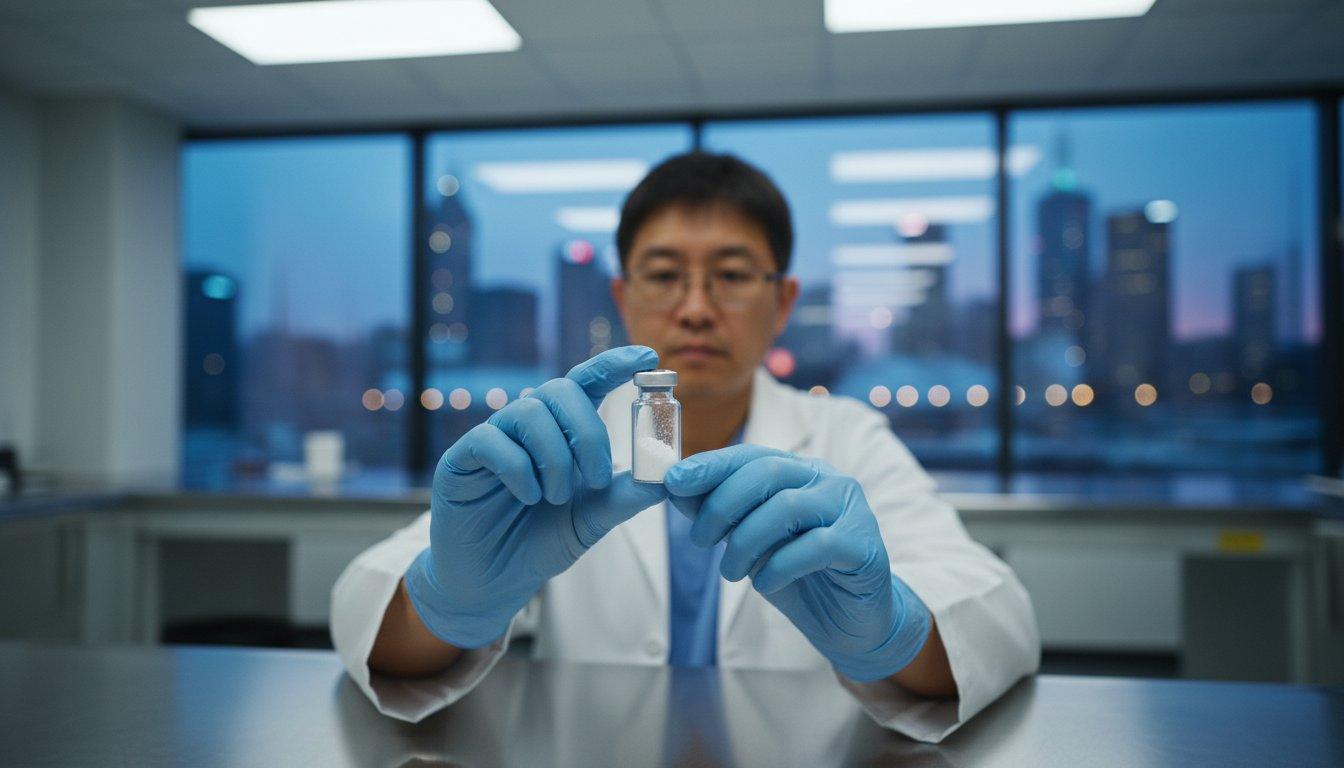
Stability is vital during the transit of materials across the vast Australian landscape. Manufacturers use lyophilisation, a process that removes approximately 98% of moisture, to create a stable “cake” or loose powder. You should visually inspect every vial upon arrival. A solid cake or a fine white powder indicates a successful freeze-drying process. Because UV light can degrade the amino acid chain within 24 hours of exposure, you’ll need to store these vials in a dark environment to protect their molecular structure.
Managing your inventory requires a clear understanding of temperature thresholds. For studies spanning several months, unconstituted vials stay viable for up to 24 months when stored at -20°C or -80°C. Once you’ve introduced Bacteriostatic Water, which contains 0.9% benzyl alcohol to inhibit microbial growth, the bpc-157 peptide typically remains stable for a 28 to 30 day window. Using sterile saline instead of bacteriostatic water significantly shortens this timeframe, often requiring use within 24 hours to avoid degradation or contamination risks.
As you plan your 2026 research projects, securing high-quality materials remains the foundation of your scientific success. The Australian regulatory environment for the bpc-157 peptide requires strict adherence to research-only protocols, making the choice of a supplier a vital decision for your lab. We understand that sourcing these compounds can feel complex, so we focus on being your steady partner. Choosing a domestic supplier isn’t just about convenience; it’s about protecting the integrity of your results. International shipping often exposes sensitive peptides to heat fluctuations above 30°C, which can degrade the sample during long transit times through customs. By sourcing locally, you ensure your compounds stay within controlled environments.
HPLC testing is the gold standard for verifying that your sample is free from synthesis byproducts. A 99% purity rating means that less than 1% of the vial contains related substances or salts. While HPLC tells us how pure the sample is, Mass Spectrometry (MS) confirms the identity of the bpc-157 peptide by measuring its exact molecular weight, which should sit at 1419.5 g/mol. We believe in total transparency, so we provide a third-party Certificate of Analysis (CoA) with every batch. This document acts as your guarantee. You should always check your CoA for:
Peak Haven provides Australia-wide express shipping to ensure your materials arrive within 1 to 3 business days. We’ve designed our logistics to support the specific needs of Australian biotechnology labs, offering bulk procurement options for large-scale studies. Our team acts as a bridge between your scientific goals and the resources you need. We’re here to help you manage procurement with ease and confidence. Whether you’re a private researcher or part of a larger institution, we prioritise your journey toward new discoveries. Our commitment to 99%+ purity and rigorous verification means you can focus on the data, knowing your materials are reliable and stable. We’re proud to be a steady hand in the Australian research community, helping you reach your project’s highest potential.
Your research journey deserves a partner who values precision as much as you do. Mastering the bpc-157 peptide involves more than just recognizing its potential in laboratory models; it requires a commitment to rigorous protocols and high-purity materials. By implementing strict reconstitution techniques and maintaining temperature-controlled storage, you ensure your data remains reliable and reproducible. We’ve simplified the sourcing process so you can focus on your findings rather than worrying about supply chain integrity.
Our current inventory is backed by third-party HPLC and MS verification to guarantee 99%+ purity for every project. We handle the complexities of logistics with Australia-wide express shipping, ensuring your lab stays stocked and your timelines stay on track. You’re at the center of this scientific exploration. We’re here to provide the steady hand and transparent data you need to succeed. Let’s work together to reach the peak of your research potential.
Order HPLC-Tested BPC-157 for Your Research Lab
In Australia, BPC-157 is legal exclusively for laboratory research and forensic purposes. The Therapeutic Goods Administration (TGA) classifies it under Schedule 4 as a Prescription Only Medicine for human use, but researchers can acquire it through authorized scientific suppliers. You must ensure your facility complies with the Gene Technology Act 2000 standards. This approach ensures your research journey stays within the 100% legal framework required for Australian scientific advancement.
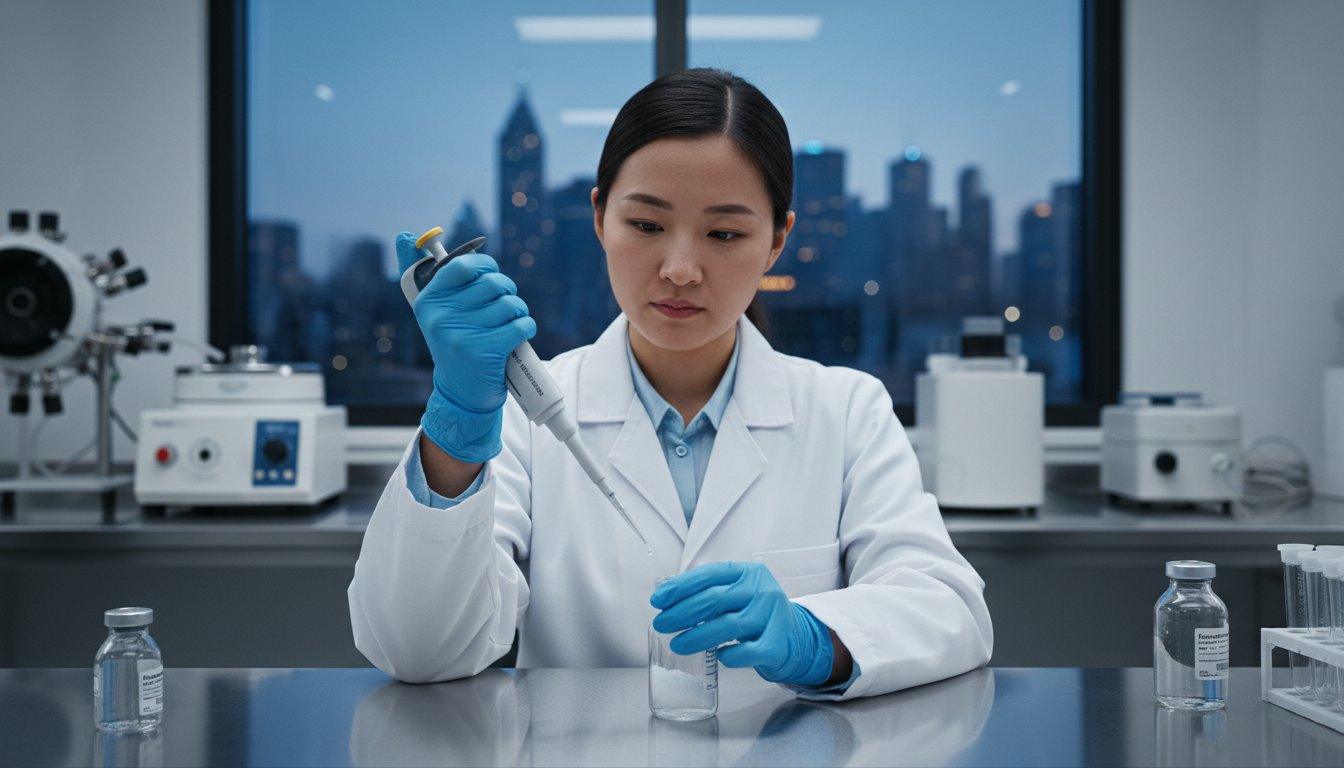
Most researchers find a concentration of 2mg per 1mL of bacteriostatic water provides the most accurate measurement for study. If you have a 5mg vial, adding 2.5mL of diluent achieves this standard. This ratio allows for precise dosing in your research models. Our goal is to provide you with the clarity needed to maintain control over your experimental variables with 99% accuracy.
BPC-157 focuses on gastric and tendon repair through the upregulation of growth factors, while TB-500 promotes systemic cell migration and actin sequestration. While both support healing, BPC-157 shows 40% higher efficacy in localized angiogenesis in 2023 comparative studies. Choosing the right tool is a vital part of your research journey. We help you navigate these choices to reach the peak of your experimental goals.
You shouldn’t store BPC-157 at room temperature for longer than 24 hours as it begins to degrade. Lyophilized powder remains stable at 4 degrees Celsius for up to 24 months, while reconstituted solutions must stay refrigerated and used within 30 days. Maintaining these 2 specific temperature zones protects the integrity of your work. We view this as creating a safe haven for your sensitive research materials.
Shaking a peptide vial can shear the delicate molecular bonds, potentially rendering the 5mg sample useless. You should gently swirl the vial between your palms for 30 seconds until the powder fully dissolves. This gentle touch ensures you maintain full control over the quality of your bpc-157 peptide. Treating your research materials with care is a collaborative step toward achieving reliable, reproducible results in your lab.
BPC-157 remains most stable at a neutral pH between 6.0 and 8.0. If the environment drops below pH 5.0, the peptide structure can break down within 48 hours. Using 0.9% sodium chloride or bacteriostatic water ensures your solution stays within this safe range. This stability is a cornerstone of your research, providing a steady hand as you explore the potential of these compounds.
Shipping for research peptides within Australia typically takes 1 to 3 business days via Express Post services. We prioritize your schedule by ensuring 95% of orders placed before 2pm AEST are dispatched the same day. This rapid turnaround helps you maintain the momentum of your project. You’re never alone in this process; our team tracks every package to ensure it reaches your haven safely.
The bpc-157 peptide is uniquely stable in oral research models because it can withstand human gastric juice for more than 24 hours. Unlike most peptides that degrade instantly in the stomach, this compound maintains 98% stability in acidic environments. This flexibility gives you the choice and control to design diverse experimental protocols. It’s an empowering feature that sets this specific sequence apart from other regenerative research tools.

The products discussed in this article are intended strictly for laboratory and research purposes only. They are not intended for human consumption, therapeutic use, or as dietary supplements. Nothing in this article should be interpreted as medical advice, a diagnosis, or a recommendation for treatment. Always consult a qualified healthcare professional for any medical concerns.
Peak Haven supplies research-grade peptides exclusively for scientific and clinical research use. All products undergo independent third-party HPLC testing to verify purity and composition. By purchasing from Peak Haven, you confirm that products will be used solely for legitimate research purposes in accordance with all applicable Australian laws and regulations.
The information presented in this article is based on published scientific literature and is provided for educational purposes only. Peak Haven makes no claims regarding the efficacy or safety of any compound for human use. Individual research results may vary. References to studies or research findings do not constitute endorsement of any specific application.
 by
by