Best Peptides for Fat Loss Research 2026: A Comparative Guide
Why are 68% of metabolic studies still struggling to differentiate between simple appetite suppression and genuine cellular lipolysis? You’ve likely...
 Are you over 18 years old?
This website requires you to be 18 years or older to enter our website and see the content.
Are you over 18 years old?
This website requires you to be 18 years or older to enter our website and see the content.

If you’ve been searching for ways to recover from injuries or boost healing, you might have come across BPC-157. It’s talked about in forums, on wellness blogs, and even by some athletes. But before you consider trying it, it’s important to understand what’s actually known—and what isn’t—about BPC-157 side effects. There’s a lot of excitement around this peptide, but the truth is, the science just isn’t there yet. Let’s take a closer look at the real risks and why caution is so important.
Before considering BPC-157, it’s important to understand just how little is truly known about its real-world effects. Most conversations online present BPC-157 as almost risk-free, but this isn’t backed by solid science or regulatory approval. In fact, the lack of reliable research is one of the most concerning things about this peptide.
Despite a few cases where no side effects were reported after BPC-157 use, we have to admit that absence of evidence doesn’t mean evidence of absence. A lack of data just means we don’t know either way.
It’s almost impossible to know how much BPC-157 someone should take—if at all. There is:
| Concern | BPC-157 Status |
|---|---|
| Human safety data | Largely unavailable |
| FDA approval | None |
| Standardized dosing guidelines | Nonexistent |
| Product regulation | Not enforced |
If you’re thinking, "But I read there were no side effects in a couple of women who tried it," you’re not alone—however, even those anecdotal stories lack robust, scientific proof. The peptide’s true effects, especially over time, are still a big question mark for both doctors and users alike. For a brief overview of the uncertain safety profile, reported no side effects in two women doesn’t mean much in the bigger medical picture.
People who use BPC-157 often report unexpected side effects, and there’s still no reliable data on just how common or serious these can be. Some of the issues folks run into include:
It’s not clear if these symptoms are from BPC-157 itself, the dose, or from something else in the product. Without clinical safety testing in humans, every use is a bit of a gamble. For many, concerns about scientific scrutiny and lack of proper research are a major reason to think carefully before trying BPC-157.
These side effects don’t always show up right away and the long-term risks remain largely unknown since real clinical studies just haven’t been done yet.
Quality can swing wildly from batch to batch because there’s no central authority checking what’s inside those little vials. Here’s why this is a problem:
| Risk Type | Impact on User |
|---|---|
| Impurities | May cause allergic reactions or illness |
| Wrong dosage | Could be ineffective or toxic |
| Unknown additives | Risk of drug interactions, side effects |
Honestly, trusting your health to a product from an unregulated source puts you at real risk for all of these problems, whether you feel side effects right away or not.
Besides the risk of getting something that isn’t actually BPC-157, using unregulated peptides opens the door to other dangers:
Unlike FDA-approved medications made in certified labs, these products often come from gray-market suppliers. There’s no clean chain of accountability, so if things go sideways, you’re on your own.
Given the lack of regulation, anyone choosing to use these products should be aware that the risks go far beyond side effects—they include uncertainty about what you’re even putting in your body.
When you’re looking into BPC-157, one of the biggest concerns that pops up is the quality of the product itself. Since this peptide isn’t approved by the FDA, it operates in a space with very little oversight. This means the stuff you might find online or through less-than-official channels can be a real gamble.
Products sold as BPC-157 often come from compounding pharmacies or online vendors that aren’t subject to the same strict manufacturing standards as approved medications. This lack of regulation opens the door for a few problems:
Because the manufacturing process isn’t monitored, there’s no guarantee that the BPC-157 you receive is free from contaminants. These could be anything from leftover chemicals from the synthesis process to bacteria or other foreign materials. If you’re injecting the substance, these contaminants can lead to serious infections or adverse reactions that have nothing to do with the peptide itself. The FDA has specifically warned about issues with peptide-related impurities and characterization problems. This means you could be introducing unknown and potentially dangerous substances into your body.
Approved medical treatments, like those you’d get from a doctor or a reputable clinic, undergo rigorous testing. They are produced in sterile facilities that adhere to Good Manufacturing Practices (GMP). This ensures that the product is pure, potent, and safe for its intended use. When you get a prescription medication, you know it’s been vetted. With BPC-157, especially when sourced from unregulated channels, you’re essentially taking a leap of faith. It’s a stark difference from the controlled environment and quality assurance that comes with medical-grade treatments.
The lack of regulatory oversight means that consumers are largely on their own when it comes to assessing the quality and safety of BPC-157 products. This situation creates a significant risk for users who may be unaware of the potential dangers lurking in unregulated compounds.
When you search for information on BPC-157, it’s tough to tell what’s true and what’s just internet chatter. The buzz has fueled a lot of myths about what this peptide can do—or can’t. Here, let’s break down and clarify some of the biggest misunderstandings.
A lot of people believe BPC-157 is completely safe, but there’s no real human data to back that up. Even though it’s talked about everywhere online, scientists haven’t published trustworthy studies showing how BPC-157 affects real people over time. So, when a website says "no side effects" or claims total safety, that’s not based on any solid research. Right now, using BPC-157 is a bit of a guessing game; you just can’t predict how your body will react, especially long-term.
The truth is, we simply don’t know what the risks might be, because no one has done the hard work of rigorous testing on humans yet.
You might see claims that BPC-157 is a "miracle cure" for every ache, tear, and tendon issue out there. Many people are drawn in by stories of fast recoveries—especially athletes. But those stories are usually single anecdotes, not scientific fact. Most of the evidence you can find comes from animal labs, not hospitals or clinics. It hasn’t been put to the test in large groups of real patients with different backgrounds and medical histories.
The internet is full of eye-catching headlines—so sometimes it feels like every new supplement or peptide is a major breakthrough. With BPC-157, the hype is way ahead of the science. Some companies even use vague phrases like "researched in labs" or "derived from human protein,” which sound official but don’t mean the product is proven or even safe. The bulk of what we know comes from animal studies and theoretical benefits, not real-world, large-scale results.
Here’s a checklist to help you spot hype versus fact:
| Claim | Backed by Human Research? | Regulated/Approved? |
|---|---|---|
| Proven to heal injuries | No | No |
| Safe for human use | No | No |
| Can be purchased legally (US) | No | No |
When deciding on any treatment, especially unapproved ones, it’s better to ask tough questions and lean on reliable science—not just internet buzz or bold promises.
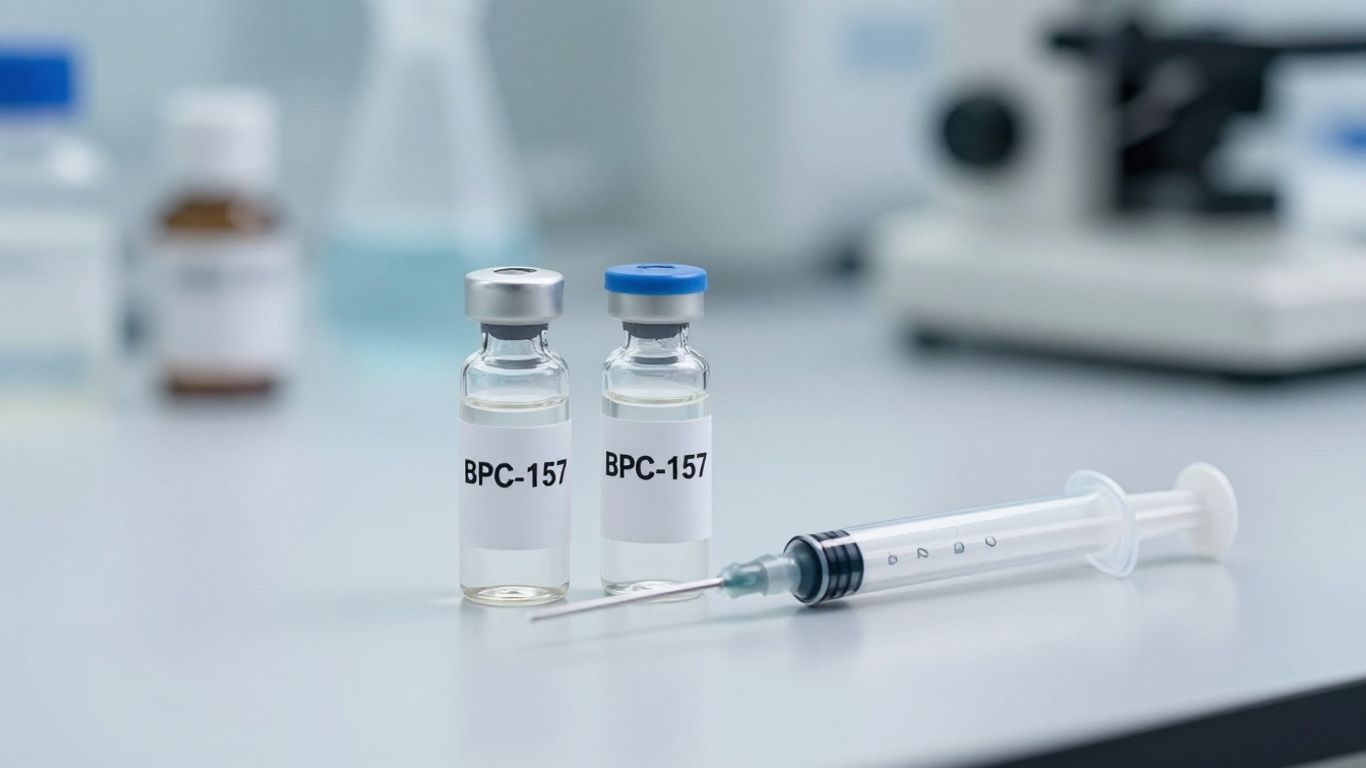
Unlike many approved medications that have gone through layers of testing, BPC-157 hasn’t had large, quality clinical trials in humans. Most of what’s known comes from animal studies and a handful of small, low-quality trials. The confidence simply isn’t there: we do not have extensive safety data, and there are lots of gaps when it comes to how it acts in the human body over weeks, months, or years.
Most of what you read online about BPC-157 is based on animal research, not solid human evidence. Clinical proof just isn’t in the picture yet, even though it’s sold and discussed widely.
A lot of enthusiasm around BPC-157 comes from studies in rats and mice—things like rapid wound healing or changes in nerve repair. But these findings can’t be directly applied to people. Sometimes, treatments that look promising in the lab don’t work in humans or, worse, prove dangerous. The assumption that a substance is safe because no side effects were seen in short animal studies is misleading.
A quick summary of the evidence:
| Evidence Type | Human Data Quality | Notes |
|---|---|---|
| Animal Studies | High | Promising, but not predictive |
| Human Trials | Very limited | Small, not well-controlled |
| Long-Term Safety | Nonexistent | No follow-up beyond case reports |
BPC-157 isn’t approved by the FDA for any human use. In fact, the FDA listed it as a substance that cannot be compounded legally by pharmacies in the US. Most BPC-157 you see for sale online is marketed as a “research chemical”—that label means there’s no oversight, no manufacturing checks, and none of the guarantees that come with real medication. It is illegal to sell it as a dietary supplement or for human injection in the US.
Some practical points to keep in mind:
If you’re considering BPC-157, realize you are stepping outside the safety net of regulated medicine. There’s no guarantee of what’s in the vial or what it’ll do to your body, and there’s little recourse if things go wrong.
When a doctor considers using a substance like BPC-157, which hasn’t gone through the official approval process, it really puts them in a tough spot. The main issue is that there’s just not enough solid data from human studies to know for sure if it’s safe or how it might affect someone long-term. Prescribing something without that kind of backing means you’re essentially experimenting on your patient, and that’s a big ethical line to cross. It’s like trying to build a house without a proper blueprint – you might get lucky, but there’s a high chance of things going wrong.
The medical field relies on evidence. When that evidence is missing, especially concerning patient safety, the ethical obligation shifts towards caution and prioritizing treatments that have been thoroughly vetted. It’s about respecting the patient’s well-being above all else.
If you’re a patient hearing about BPC-157, it’s easy to get excited by the promises of faster healing or relief from chronic issues. But it’s really important to pause and think critically. You have the right to know exactly what you’re putting into your body, and with unapproved substances, that information is often incomplete.
Here’s what to consider:
Ultimately, the safest path forward for both patients and healthcare providers involves sticking to treatments that have been rigorously tested and approved by regulatory bodies like the FDA. While the allure of novel compounds is strong, the potential downsides of using unproven substances can be significant. It’s about making choices based on what we know, rather than what we hope might be true. Relying on treatments with a solid scientific foundation helps ensure that the pursuit of health doesn’t inadvertently lead to harm.
While BPC-157 is often discussed for its potential healing properties, a significant concern revolves around its interaction with cellular pathways that could theoretically promote cancer. Research suggests that BPC-157 can activate pathways like the FAK–paxillin pathway. These pathways are involved in cell adhesion and migration, which are vital for tissue repair. However, these same mechanisms are also exploited by cancer cells to spread, a process known as metastasis. The activation of these pro-migratory signals is a double-edged sword, as processes that help us heal can also help tumors thrive.
Using BPC-157 involves a degree of risk because it is not approved by regulatory bodies like the FDA for human use. This means there’s a lack of comprehensive human safety data. When you use a substance without this oversight, you’re essentially gambling with your health. The purity and exact composition of unregulated products can also be questionable, introducing further unknown risks.
Given the current lack of robust human safety data and the theoretical links to cancer pathways, a cautious approach to BPC-157 is strongly advised. The potential benefits, while appealing, must be weighed against these significant unknowns. Until more rigorous studies are conducted to confirm its safety profile in humans, especially concerning long-term effects and potential oncogenic risks, it remains an unproven substance.
The allure of rapid healing and recovery is understandable, especially for those dealing with injuries. However, the scientific community’s consensus leans towards caution when it comes to substances like BPC-157. The potential for unintended consequences, particularly concerning pathways that could influence cancer development, necessitates a thorough and evidence-based approach to treatment decisions.
While exploring the potential risks associated with BPC-157, it’s important to stay informed. Understanding the possible downsides is key to making smart choices about your health. Want to learn more about what to watch out for? Visit our website for a deeper dive into the topic.
To sum things up, BPC-157 is a compound that’s gotten a lot of attention for its possible healing effects, but there’s still a lot we don’t know. Most of the research so far has been done on animals, and the few human reports out there aren’t enough to say it’s safe or effective. The biggest concern is that BPC-157 isn’t regulated, so you can’t be sure what you’re actually getting if you buy it online. There’s also no official dosing or safety information, which means you’re taking a risk every time you use it. Some people have reported side effects, and there’s always the chance of contamination or getting something completely different than what’s on the label. Until there’s more solid evidence from real clinical trials, it’s probably best to be cautious. If you’re thinking about trying BPC-157, talk to a healthcare professional first and make sure you understand all the risks. Your health is too important to gamble on something that hasn’t been proven safe.
BPC-157 is a man-made version of a protein found in the stomach. Some people use it because they believe it can help heal injuries faster, especially in muscles, tendons, and joints. However, there is not enough proof in humans to show that it is safe or works as claimed.
No, BPC-157 is not approved by the U.S. Food and Drug Administration (FDA). This means it has not gone through the strict tests required for medicines to be sure they are safe and effective.
Since there are no large studies in humans, we do not know all the side effects. Some people who have used BPC-157 report problems like anxiety, tiredness, mood changes, heart palpitations, and pain at the injection site. There may also be risks from impurities in the product.
BPC-157 is often sold online as a ‘research chemical,’ which means it is unregulated. There is no guarantee that the product is pure or contains the correct amount. It could be contaminated with other substances that are harmful.
No, there is no proof that BPC-157 can cure every injury. Many claims about it are based on animal studies or stories from people online, not on solid scientific evidence in humans.
Yes, using or selling BPC-157 for humans is not allowed in many places because it is not approved as a medicine. Doctors are not supposed to give it to patients outside of a clinical trial, and using it could break laws or ethical rules.
 by
by