Navigating the Path to Accessing Retatrutide: Your Comprehensive Guide
Retatrutide has been getting a lot of attention lately, especially among people looking for new ways to manage their weight. It’s still early days for...
 Are you over 18 years old?
This website requires you to be 18 years or older to enter our website and see the content.
Are you over 18 years old?
This website requires you to be 18 years or older to enter our website and see the content.

When you’re doing lab work, you need materials you can count on. That’s where prime lab peptides come in. We’re talking about compounds that are made carefully and checked thoroughly. This article looks at why these peptides are so important for good research, how they’re tested, and what you need to know about getting them to your lab, especially when the weather is tricky. Let’s get into it.
When you’re working on a research project, especially one that involves sensitive biological or chemical processes, the quality of your starting materials can make or break your results. For peptides, this means purity is not just a nice-to-have; it’s a necessity. Think of it like building a house – you wouldn’t start with faulty bricks, would you? The same applies here. If the peptide isn’t what it’s supposed to be, or if it’s mixed with other things, your experiments can go sideways fast. This can lead to wasted time, resources, and conclusions that just aren’t accurate.
In a lab setting, purity refers to how much of a substance is the actual compound you intend to use, versus how much is made up of other things. For peptides, this means checking that the amino acid sequence is correct and that there aren’t significant amounts of synthesis byproducts, degradation fragments, or residual solvents. We’re talking about a precise measurement. A peptide might be labeled as 98% pure, meaning that 98% of the material is the target peptide, and the remaining 2% could be other substances. The goal is to minimize these other substances as much as possible.
Here’s what we look for:
Even small amounts of impurities can have a big effect. Imagine you’re studying how a specific cell type responds to a peptide. If that peptide is contaminated with something else, the cells might react to the contaminant instead of, or in addition to, the peptide you’re interested in. This can lead to:
When research materials aren’t pure, it’s like trying to read a book with smudged ink. You might get the general idea, but the fine details, the precise meaning, can be lost. This uncertainty can ripple through your entire project, making it hard to trust your findings or build upon them reliably.
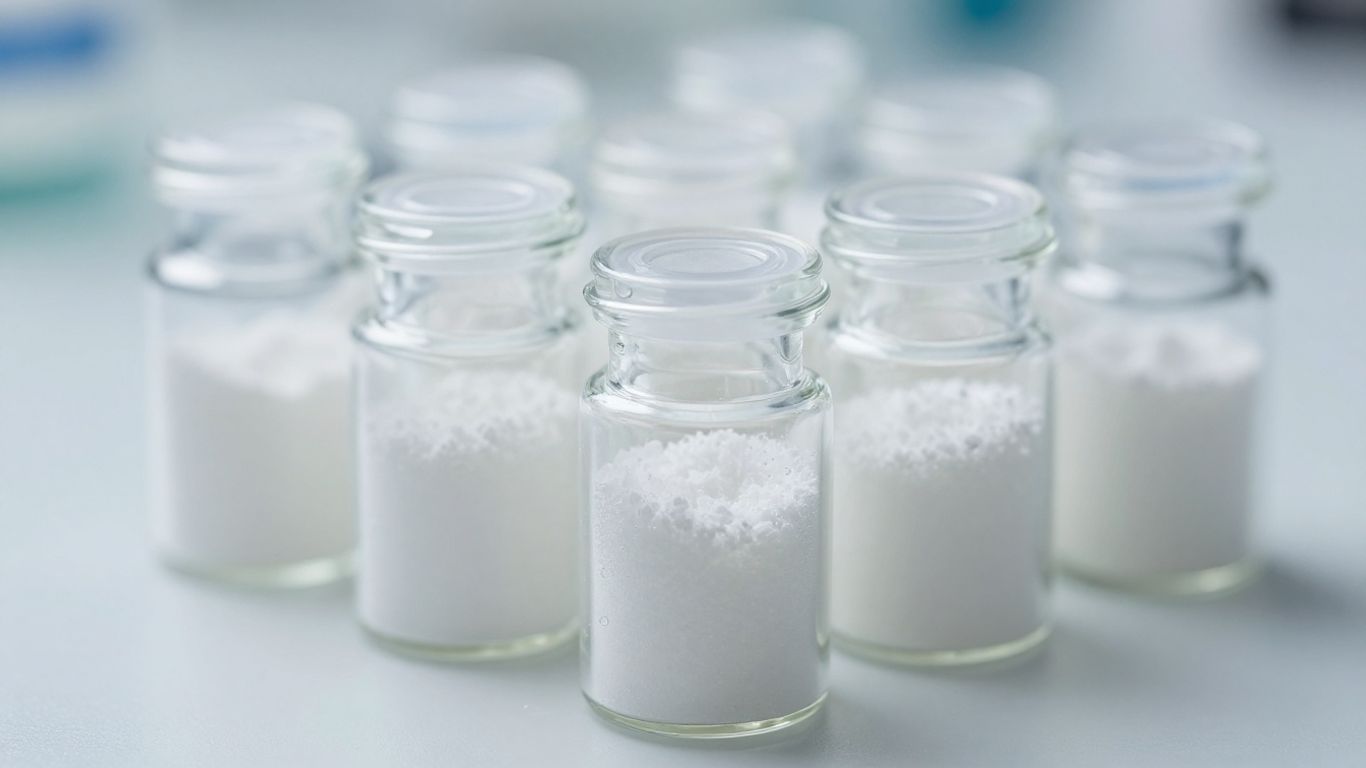
When we get a peptide sample, we don’t just take its word for it. We put it through some serious checks. One of the main tools we use is called High-Performance Liquid Chromatography, or HPLC for short. Think of it like a very precise sorting machine for molecules. It takes a sample and separates it into all its different parts. This lets us see exactly how much of the actual peptide we’re supposed to have is in there, and how much of anything else might have snuck in. It’s all about getting a clear percentage of purity. This method is pretty standard in labs, so the results are easy for other researchers to understand and compare with their own work.
After HPLC tells us how much of something is there, Mass Spectrometry (Mass Spec) steps in to tell us what it actually is. This technique measures the weight of molecules. By knowing the exact weight, we can confirm that the peptide has the correct molecular formula and structure. It’s like checking the fingerprint of the molecule to make sure it matches the one we expect. This is super important because even a small change in structure can completely alter how a peptide behaves in an experiment. We need to be sure we’re working with the right compound, every single time.
Every batch of peptide we send out comes with a Certificate of Analysis, or COA. This document is basically a report card for the peptide. It lists the results from our testing, including:
When a COA is clear and complete, it builds a lot of confidence. It means we’ve done our homework and you can trust the material you’re using. If anything seems unclear or missing, it’s a signal to pause and investigate further. Good research relies on knowing exactly what you’re working with from the start.
Looking at these details helps us and other researchers make sure the material is exactly what it claims to be. It’s a key step in making sure your research is built on a solid foundation.
Getting research materials to your lab in good shape is a big deal, and sometimes it’s trickier than you’d think. Weather can really mess with things, especially during those in-between seasons like early spring or late fall when temperatures can swing wildly. You might get a delivery on a chilly morning, but if it sits on a loading dock during a warm afternoon, that temperature change can affect the peptide. It’s all about keeping things stable from the moment they leave the manufacturer until they’re ready for your experiment.
When it’s cold outside, especially in places that still see freezing temperatures even into April, how peptides travel is a major concern. They’re often shipped with ice packs, but if those melt too quickly or if the package is delayed, the compound can be exposed to temperatures it shouldn’t be. This can lead to a loss of potency or even changes in the peptide’s structure, which throws off your research results. It’s not just about extreme heat; even repeated cycles of freezing and thawing can degrade the material.
To keep your peptides in top condition when the weather’s iffy, there are a few things labs do. First, unpack deliveries right away. Don’t let those cold packs sit around; get the peptides into their proper storage environment immediately. If you’re ordering during colder months, it’s smart to have a plan for quick inspection upon arrival. Some labs even use temperature loggers in their shipments to track conditions during transit. This gives you a clear record if any questions come up later.
The goal is to minimize any environmental stress on the peptide. This means being proactive about how it’s handled before it even reaches your bench.
When you’re expecting a shipment, especially during unpredictable weather, communication with your supplier is key. Knowing their shipping methods and what precautions they take can help you prepare. For instance, understanding if they use insulated packaging and how long the cold packs are designed to last gives you a better idea of the risks. Once the package arrives, a swift and thorough check of the contents against your order and a visual inspection of the packaging are important steps. If there’s any doubt about the conditions the peptide experienced, it’s better to err on the side of caution.
When you’re deep into a research project, the last thing you want is for your materials to throw a wrench in things. Using consistent, well-documented peptides is like building a house on a solid foundation. If the base is shaky, the whole structure is at risk. This means knowing exactly what you’re working with, from the moment it arrives at your lab. We’re talking about checking purity levels, confirming the chemical identity, and understanding the storage requirements. Without this baseline consistency, it becomes incredibly difficult to trust your results. Any unexpected outcome could be due to the peptide itself behaving differently, rather than the biological process you’re trying to study.
Documentation is your best friend in the lab. Think of the Certificate of Analysis (COA) as the peptide’s report card. It tells you what tests were done, what the results were, and how the material was verified. When these documents are clear and complete, it builds a lot of confidence. You can trace the material back, understand its history, and be more certain about its suitability for your specific experiment. If the documentation is vague or missing key details, it’s a signal to pause and investigate further. Reliable research hinges on this transparency.
Choosing a supplier that prioritizes quality and provides thorough documentation is key. Prime Lab Peptides aims to be that reliable partner for researchers. By focusing on high purity standards and providing detailed COAs, they help lay the groundwork for studies that can be repeated and validated. This consistency means that when you get results, you can be more certain they reflect genuine biological activity, not variations in the research compounds themselves. It simplifies the process, allowing you to focus on the science rather than troubleshooting material inconsistencies.
Peptide research compounds are used in labs across many types of research. Whether scientists are studying how cells grow or how proteins interact, these compounds help make that research possible. They’re created specifically for laboratory use and always come with documentation that confirms what’s inside, how pure the compound is, and how it should be stored.
In studies looking at how the body uses energy and nutrients, peptides can act as tools to understand complex pathways. Researchers might use them to see how different substances affect metabolic rates or how cells process sugars and fats. Similarly, in cellular repair research, peptides are employed to observe how tissues respond after experiencing stress or injury. This can involve looking at wound healing processes or how cells regenerate after damage. The precise nature of peptides makes them well-suited for these detailed investigations.
Peptides are also finding their way into studies focused on the brain and nervous system. Researchers explore how certain peptides might influence memory, focus, or other cognitive functions. In regenerative medicine, these compounds are used to investigate how cells grow, divide, and differentiate over time. This work can contribute to understanding development and aging, and potentially lead to new ways to address tissue damage.
Choosing the right peptide for a specific study is important. Different research projects have different needs and timelines. For instance, a highly sensitive test might require a peptide with very high purity, where even small amounts of contamination could skew the results. The selection process involves matching the peptide’s properties to the experiment’s goals. This careful consideration helps ensure that the data collected is accurate and meaningful.
The reliability of research often hinges on the quality of the materials used. When scientists can trust the compounds they are working with, they can spend more time focusing on the actual research questions rather than worrying about the integrity of their tools. This confidence is built through clear documentation and consistent product quality.
Here are some common areas where peptides are applied:
When it comes to research compounds, where they are made can make a big difference. Many labs prefer peptides produced in the USA because there’s often a higher standard for how things are done. This isn’t just about following rules; it’s about making sure the materials you use are as reliable as possible. Think about it: if you’re running a study, you want to be sure the compound you’re using is exactly what it says it is. US-based production often means more oversight and clearer documentation from start to finish. This can simplify things, especially when you need to track batches or repeat experiments later on.
Producing peptides for research isn’t like making a batch of cookies. It’s a precise process that requires a lot of attention to detail. Quality control starts from the very beginning, with the raw materials. Every ingredient is checked to make sure it meets strict standards before it even gets used. Then, during the manufacturing process itself, there are checks at multiple stages. This helps catch any potential issues early on. After the peptide is made, it goes through further testing to confirm its purity and identity. This multi-step approach helps ensure that what you receive is a high-quality compound ready for your experiments. It’s about building confidence in every single batch.
Beyond just making the peptides, how they are handled and stored is also super important. This starts right in the manufacturing facility. Labs that focus on quality will have clean environments and specific procedures for packaging. They make sure containers are sealed properly to keep the compounds stable and protected from contamination. Clear labeling is also key, so you know exactly what you have and when it was produced. These safety measures continue even after the product leaves the facility, with considerations for shipping and storage conditions. For example, during colder months, special packaging might be needed to prevent freezing, which could affect the peptide’s integrity. Understanding these protocols helps researchers feel more secure about the materials they are using in their studies. It’s all part of making sure the research itself can be trusted. For more information on how standards are set, you can look into resources like USP peptide support.
Making sure peptides are top-notch is super important. We follow strict rules to check everything, from start to finish, so you get the best quality. Want to learn more about how we ensure purity and safety? Visit our website today!
So, we’ve talked a lot about why getting the right peptide, like BPC-157, is a big deal for lab work. It’s not just about having the stuff; it’s about knowing it’s pure and stable. Things like checking purity levels with HPLC and making sure the documentation is solid really matter. This is especially true when you’re dealing with tricky shipping times, like in the dead of winter when things can get cold or delayed. When you start with good materials, your research has a much better chance of being accurate and repeatable. It means you can trust your results and build on them. Keeping these details in mind helps make sure your research stays on track, no matter what the season throws at you. It’s all about setting up your experiments for success from the very beginning.
For lab research, a pure peptide means that the vial contains mostly the exact peptide you need, with very little else. Think of it like getting a bag of just apples, not apples mixed with oranges or apple peels. Lab purity checks make sure there aren’t unwanted extra bits from how it was made or if it broke down. This is super important because even tiny amounts of other stuff can change how your experiments turn out.
Imagine trying to learn how one specific ingredient affects a recipe, but you accidentally added a second ingredient. That’s what happens in research if a peptide isn’t pure. Contaminants can mess up your results, making it look like the peptide did something it didn’t, or hiding what it actually did. This makes it hard to trust your findings or repeat them later, which is a big problem in science.
Scientists use special tools to check purity. One common method is called HPLC, which is like a super-powered filter that separates the peptide from any other stuff in the mix. Another is Mass Spectrometry, which weighs the parts of the peptide to make sure they match the right chemical recipe. These tests give a clear picture of what’s really in the vial.
A Certificate of Analysis, or COA, is like a report card for the peptide. It shows the results of the purity tests, tells you the chemical name, and often includes a unique batch number. This document helps researchers confirm that the peptide they received is what they ordered and that it met quality standards before they even open it. It’s a key piece of proof for reliable research.
Cold weather, especially freezing temperatures, can sometimes harm sensitive research materials like peptides if they aren’t protected. If a package sits in a freezing truck for too long or experiences big temperature changes, the peptide might break down or lose its effectiveness. This is why special packaging and careful handling are needed during winter shipping to keep the peptides stable and pure.
Prime Lab Peptides are made in the USA. This often means they follow stricter rules for quality and safety during production. Having them made in the US can give researchers more confidence because there are usually better checks and balances in place to ensure the peptides are made cleanly and meet high purity standards, making them a dependable choice for lab studies.
 by
by